
Online Brand Protection: The Complete Guide for D2C and Marketplace Brands
 Mithileshkumar R NaikAug 15, 20264 min read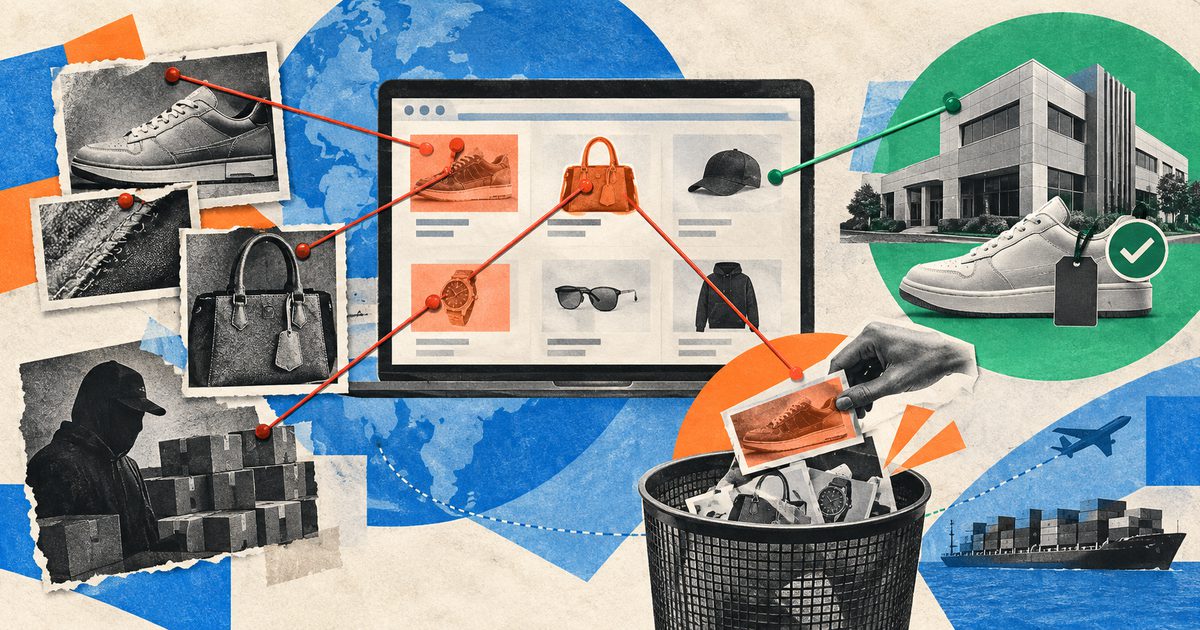
- Online brand protection covers marketplace monitoring, social media impersonation, domain/phishing abuse, and app store impersonation, distinct from broader legal brand protection.
- D2C and marketplace-first brands are exposed differently than traditional retail brands: they don’t control distribution, so counterfeit listings and impersonation are harder to spot by default.
- A working programme needs continuous monitoring, a per-platform takedown process, and escalation criteria for when a pattern warrants legal action.
- Truviss automates monitoring and takedowns across marketplaces, social platforms, and domains, including B2B and social-commerce channels single-platform tools often miss.
By the time a customer messages a brand asking “is this listing real?”, the counterfeit or impersonation has usually been live for weeks. Online brand protection is the set of practices and tools that catch it earlier, on marketplaces, social platforms, and the open web, before it reaches that customer.
This guide covers what online brand protection actually includes, why it matters most for D2C and marketplace-first brands specifically, how it differs from generic “brand protection”, and what a practical programme looks like.
What Online Brand Protection Covers
Online brand protection is narrower and more operational than brand protection as a category. For the broader case on why brand protection matters at all, see why brand protection is important. The full mechanics of counterfeiting itself are covered in how to protect your brand from counterfeit. It focuses on four surfaces where a brand’s name, products, or identity get abused online:
Marketplace Monitoring
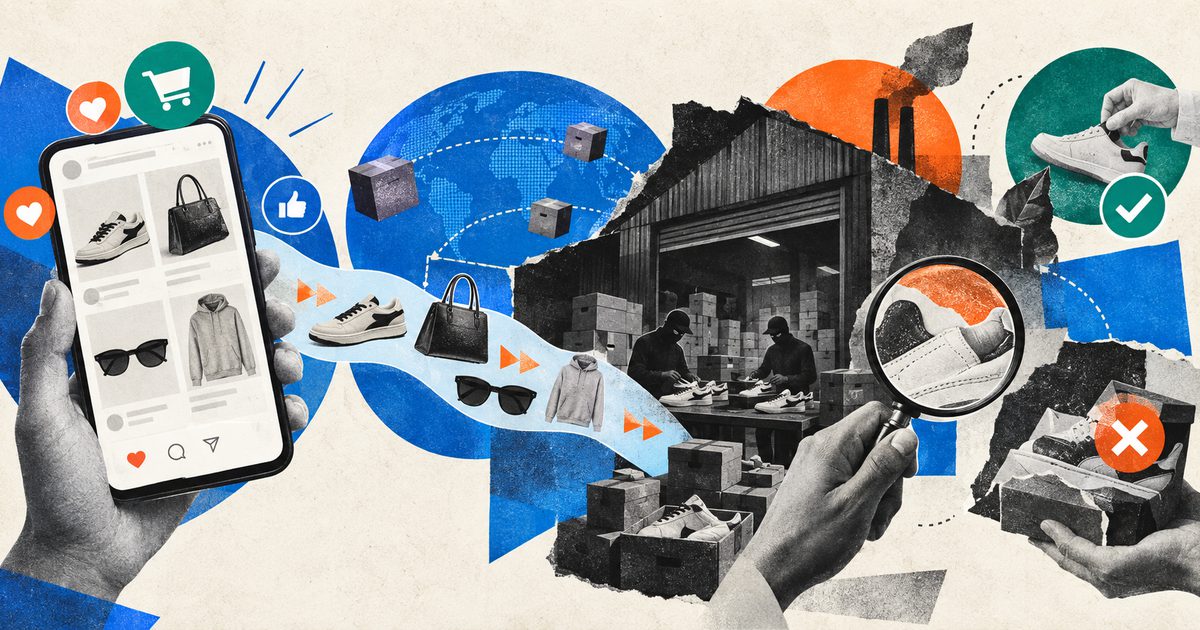
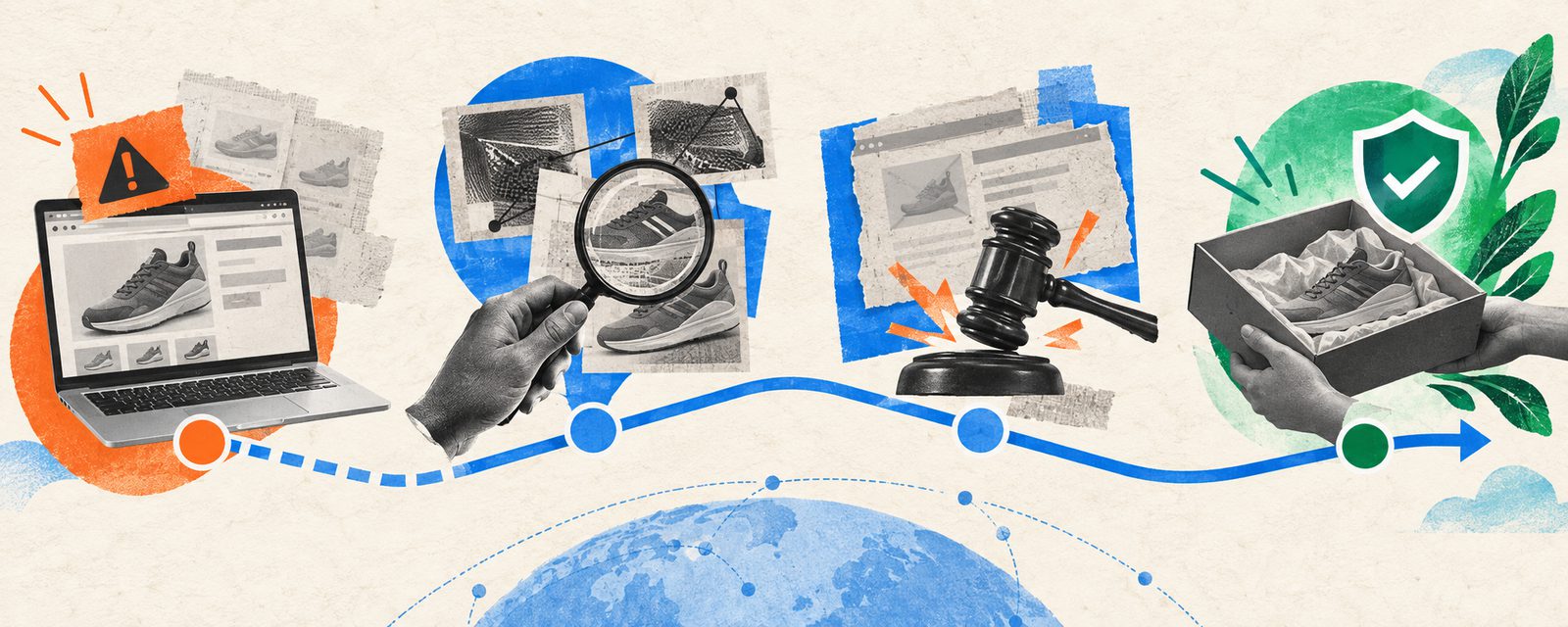
Scanning Amazon, Flipkart, Meesho, IndiaMart, Myntra, and similar platforms for listings selling counterfeit or unauthorised versions of a brand’s products, then filing takedown requests through each platform’s own reporting process, since safe harbour isn’t a free pass on those obligations. Each marketplace has different evidence requirements and turnaround times, which is why manual monitoring across even three or four platforms becomes slow at any real scale. New rules like India’s marketplace transparency rules aim to standardise some of that, though enforcement mechanics still vary by platform.
Social Media Impersonation
Fake accounts, cloned pages, and impersonation profiles that pose as the brand to run scams, sell counterfeit product, or damage reputation. This is distinct from marketplace listings because the abuse isn’t a product listing at all, it’s identity theft of the brand’s own presence. Protecting that presence is the core challenge covered in brand security in the digital age.
Social commerce adds a related but separate exposure: listings sold directly inside Instagram Shops, WhatsApp catalogues, and live-selling sessions, which standard marketplace monitoring often does not reach. See our guide to social commerce as an unmonitored counterfeit channel for that angle specifically.
Domain and Phishing Abuse
Typosquatted domains, phishing pages mimicking a brand’s checkout or login flow, and lookalike websites set up to capture customer payment details or credentials under the brand’s name.
App Store Impersonation
Cloned or fake mobile apps using a brand’s name, logo, or product imagery, often to harvest credentials or push unwanted charges, listed on official or third-party app stores. This kind of malicious software is exactly the cybersecurity risk covered in preventing malicious software.
The Acviss glossary entry on online brand protection covers the formal definition and how it’s distinguished from adjacent terms like anti-counterfeiting and trademark enforcement. Quick-commerce dark stores are a newer edge case this definition needs to stretch to cover, discussed in the quick-commerce dark-store blind spot.
Why D2C and Marketplace-First Brands Need It Specifically
A traditional retail brand controls its distribution: it knows which stores carry its products, and a counterfeit showing up in an unauthorised store is relatively visible. A D2C or marketplace-first brand doesn’t have that visibility by default, its products are sold across dozens of third-party listings it doesn’t control, on platforms where anyone can list a product under the brand’s name with minimal verification.
This is compounded by the fact that D2C brands built their reputation on direct customer trust, a single convincing counterfeit listing or impersonation profile can do outsized reputational damage compared to a brand with decades of offline retail relationships as a buffer. The OECD/EUIPO report on trade in counterfeit and pirated goods notes that e-commerce channels have become a primary distribution route for counterfeit goods precisely because online listings are easier to create and harder to police at scale than physical retail shelf space.

See Truviss in action
See how Truviss monitors marketplaces, social media, and domains for D2C brands.
Explore Truviss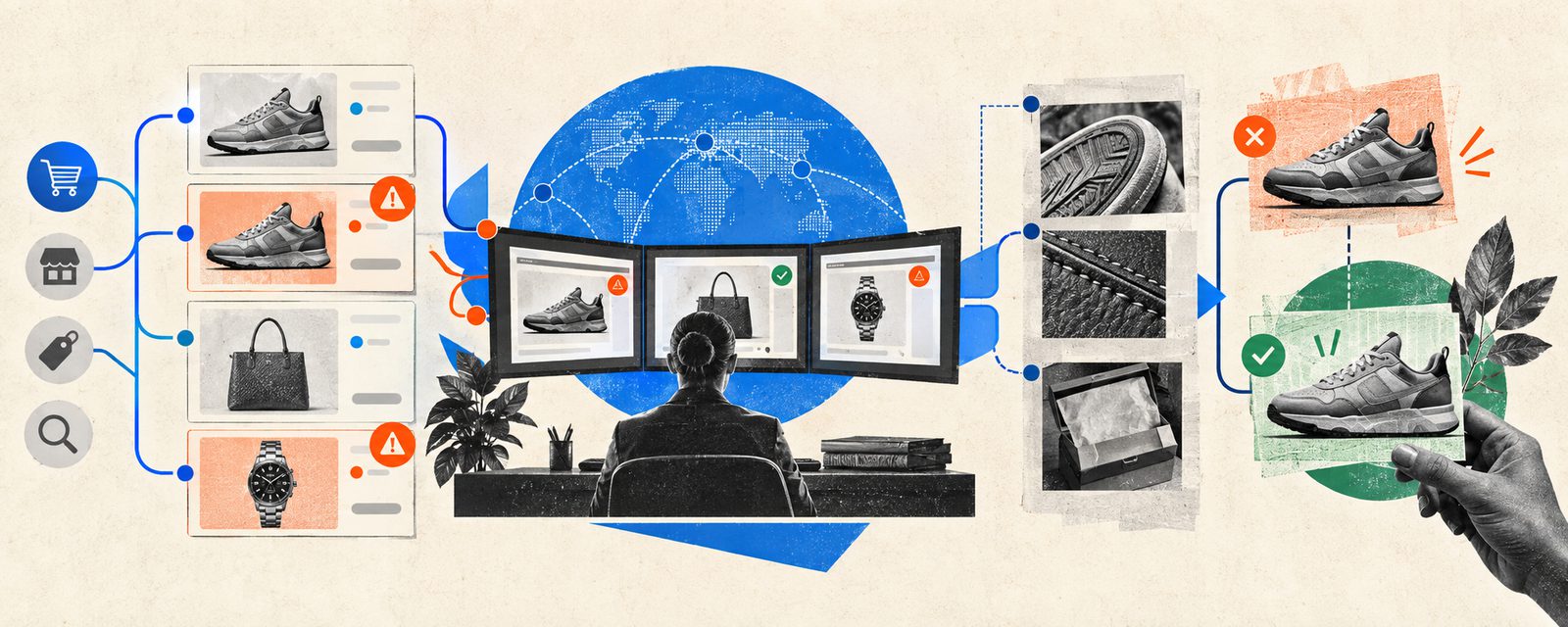
Online Brand Protection vs Generic Brand Protection
“Brand protection” as a broader term includes legal and trademark work: registering trademarks, pursuing infringement litigation, customs seizures at ports, and industrial design protection. Online brand protection is the operational, ongoing layer that sits underneath that legal foundation, actively finding the infringement so there’s something to enforce against. A registered trademark gives you standing to act; online brand protection gives you visibility into where you need to act.
The two work together in practice: monitoring surfaces the counterfeit listing or impersonation account, and the legal trademark registration is what gives a takedown request or platform report its force. For the trademark side of that pairing, see how to reserve and register a trademark for your brand.
What a Practical Programme Looks Like
A working online brand protection setup has three components:
- Continuous monitoring across the marketplaces, social platforms, and domains relevant to the brand’s actual sales channels, not a one-time sweep. New listings and impersonation accounts appear constantly, so detection needs to run on an ongoing basis.
- A takedown process for each platform, since evidence requirements and reporting mechanisms differ (a Flipkart takedown request looks nothing like an Instagram impersonation report). Our platform-specific guides cover removing counterfeits from Flipkart, removing fake listings from Amazon India, and removing counterfeits on Meesho, IndiaMart, and Myntra.
- Escalation criteria for when a pattern (repeat seller, coordinated impersonation campaign, high-value counterfeit) warrants legal action rather than a routine platform takedown.
How Truviss Fits
Acviss’s Truviss platform automates marketplace, social media, and domain monitoring across the channels D2C brands actually sell and get impersonated on, including B2B and social-commerce platforms that single-platform tools often miss, and files takedown requests without manual per-listing work. It’s built for brands that need coverage across multiple channels at once, not a single-marketplace point solution.
Getting Started
If you’re not sure where exposure is highest, start by checking the platforms where your product is actually sold or discussed, not just the largest marketplace by volume. Grey market and unauthorised-sale patterns often show up on secondary platforms before they show up on the ones a brand watches by default; see how grey market diversion steals Indian brand revenue for a related pattern worth checking alongside straightforward counterfeit listings.
To see where your brand is currently exposed across marketplaces and social platforms, book a demo.

Find out where your brand is being impersonated online
Book a free demo and see how Truviss covers marketplaces, social, and domains in one platform.
Book a Free DemoRelated reading
How Critical is Preventing Malicious Softwares For Cybersecurity
Today, people are familiar with the common types of cybercrimes. Malware is the catch term that your system might have flashed for you at so
The Growing Need for Brand Security in the Digital Age
In today’s interconnected world, everything and everyone is vulnerable online, brands included. While individuals are becoming increasingly