
In this article
Recent Posts
Online Brand Protection Arun KrishnanFeb 18, 20256 min read
The Growing Need for Brand Security in the Digital Age
 Arun KrishnanFeb 18, 20256 min read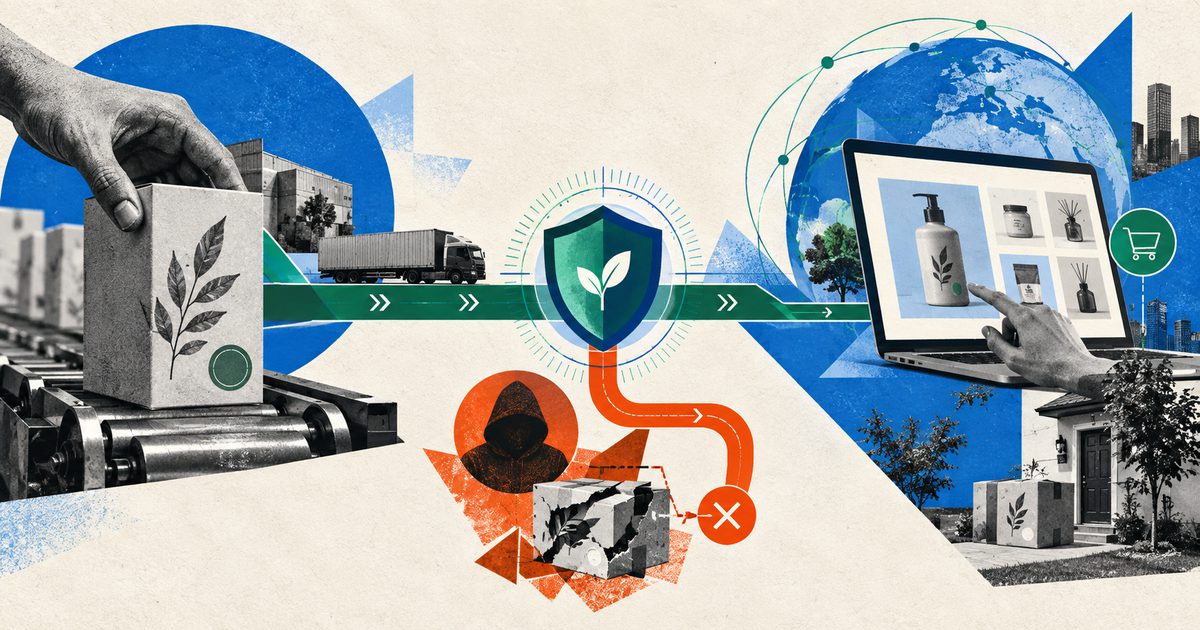
TL;DR
In today’s interconnected world, everything and everyone is vulnerable online, brands included. While individuals are becoming increasingly vigilant about cybercrimes and privacy, many brands underestimate the magnitude of online threats. From counterfeit products and impersonation to phishing and ransomware attacks, brands face a myriad of challenges that threaten their reputation, revenue, and customer trust.
E-commerce has revolutionized the marketplace, penetrating urban and rural areas alike. However, as brands build & secure their online presence, they inadvertently expose themselves to sophisticated cyber threats. Protecting customer data, intellectual property, and brand identity is no longer optional. It is a business imperative.
- Every brand with a digital presence is a target: phishing, impersonation, and fake listings can hit companies of any size.
- These threats don’t just cost revenue directly, they damage brand credibility and erode customer trust long after the incident.
- In the digital age, brand security is a baseline requirement, not an optional add-on to a marketing budget.
- AI-driven monitoring tools make continuous brand security realistic, catching threats faster than manual oversight ever could.
Top Online Threats to Brands
1. Counterfeits, Replicas, and Dangerous Products
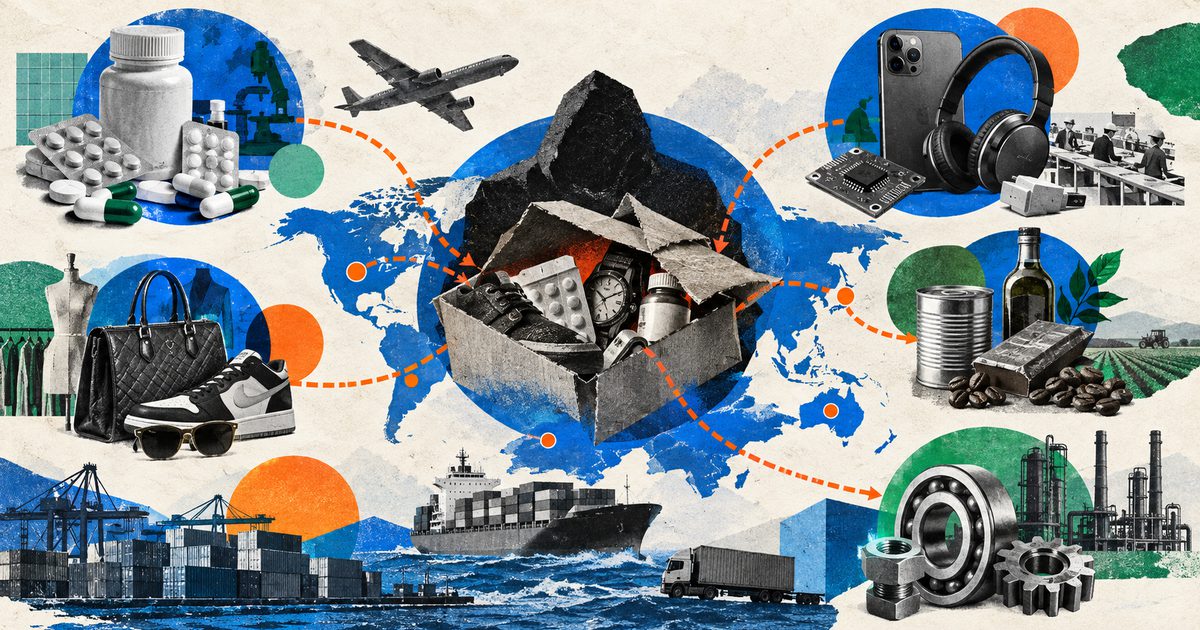
The sale of counterfeit products online is alarmingly widespread. Studies show:- One in five products on e-commerce platforms is fake.
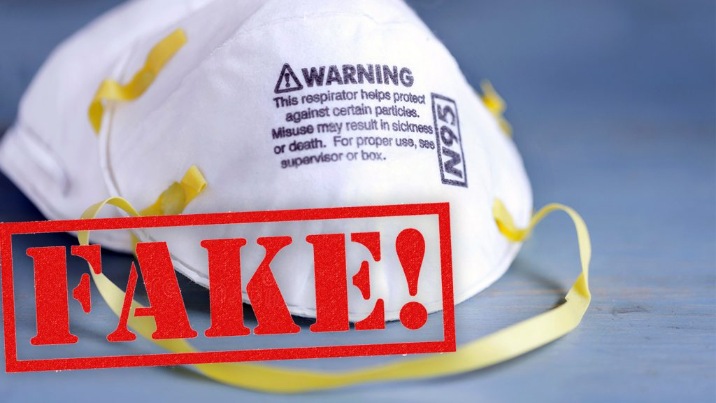
- Counterfeit N95 masks were rampant during the COVID-19 pandemic, even on reputed platforms.
- 35% of Indian consumers have purchased fake luxury goods online, with 70% saying it’s difficult to identify counterfeits.
Challenges for Brands:
- Fake listings often use original product images and packaging, making them indistinguishable.
- Counterfeits tarnish the brand reputation and erode customer trust.
2. Social Media: A Double-Edged Sword
Social media platforms have evolved from entertainment hubs to critical business impressions tools. However, this evolution has also opened doors to social media brand impersonation, fake profiles, and scams.Key Risks on Social Media:
- Impersonation and Fake Profiles: Fraudsters create lookalike pages using brand names to mislead customers.
- Spam and Hidden Links: Comment sections are often flooded with spam links leading to fake websites.
- Counterfeit Sellers: A study found that 20–30% of comments under certain cosmetic brand hashtags on Instagram came from fake sellers.
Solution:
Brands must invest in IP enforcement strategies and automated brand protection tools to detect fake profiles, spam, and infringements on social media platforms in real-time.3. Data Privacy, Phishing, and Ransomware Attacks
Cyberattacks are growing more sophisticated, and sectors like retail, banking, and e-commerce are prime targets. Phishers and ransomware attackers exploit lookalike domains and fake emails to steal sensitive data from brands and their customers.Key Risks:
- Phishing: Fake websites and emails trick users into sharing personal information.
- Ransomware: Brands risk data breaches even after paying ransoms.
- Supply Chain Vulnerabilities: Data theft exposes supply chain gaps that counterfeiters can exploit.
Solution:
- Strengthen cybersecurity with strong data protection measures.
- Implement blockchain-based track and trace systems to secure the supply chain.
- Use domain protection tools to safeguard against phishing attacks.
What Makes an Effective Brand Protection Strategy?
As online threats evolve, so must brand protection strategies. Here’s what an effective approach looks like:- Automation: Manual detection of fakes is impossible in today’s digital landscape. Automated tools ensure real-time monitoring and protection.
- Holistic Coverage: Brand protection must extend across e-commerce platforms, social media, apps, and domains.
- Proactive Measures: Waiting to react is costly. Sophisticated tools can detect threats before they impact the brand or customers.

See Truviss in action
See how Truviss keeps your brand secure across every corner of the internet.
Explore Truviss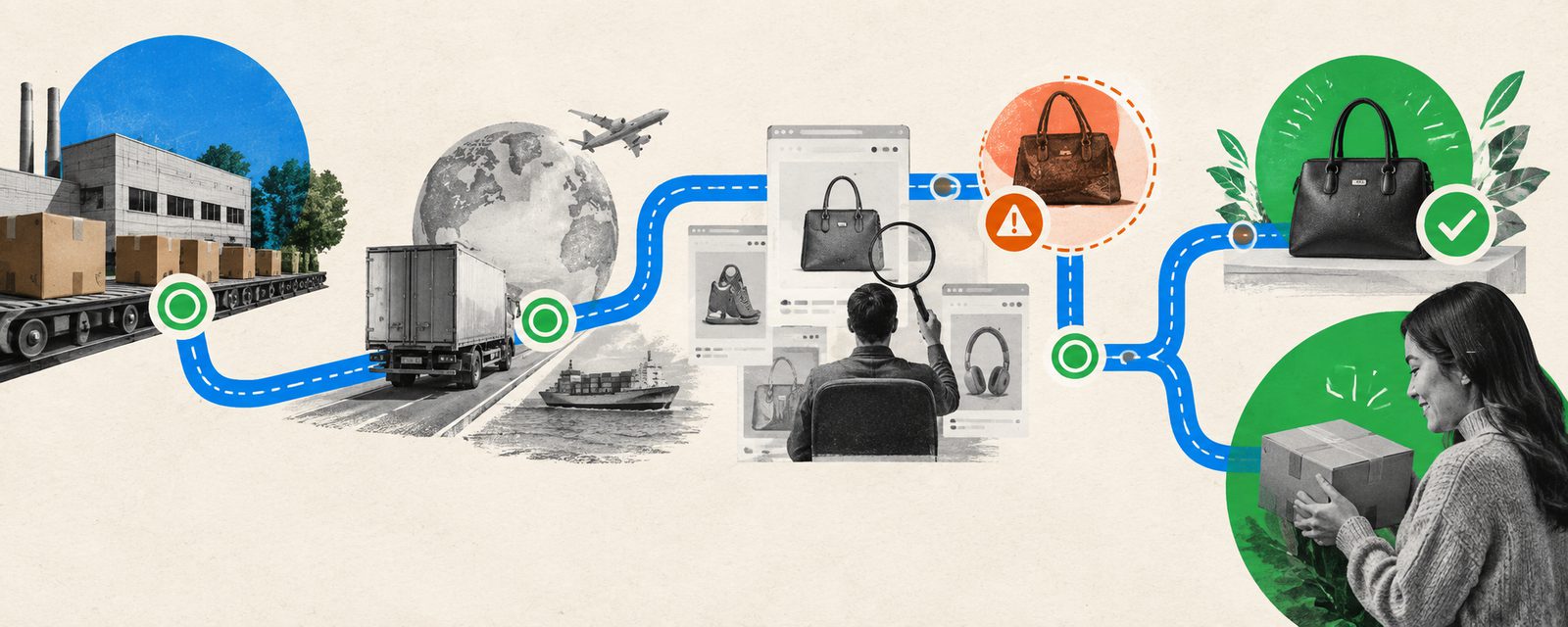
The Ultimate Brand Protection Solution
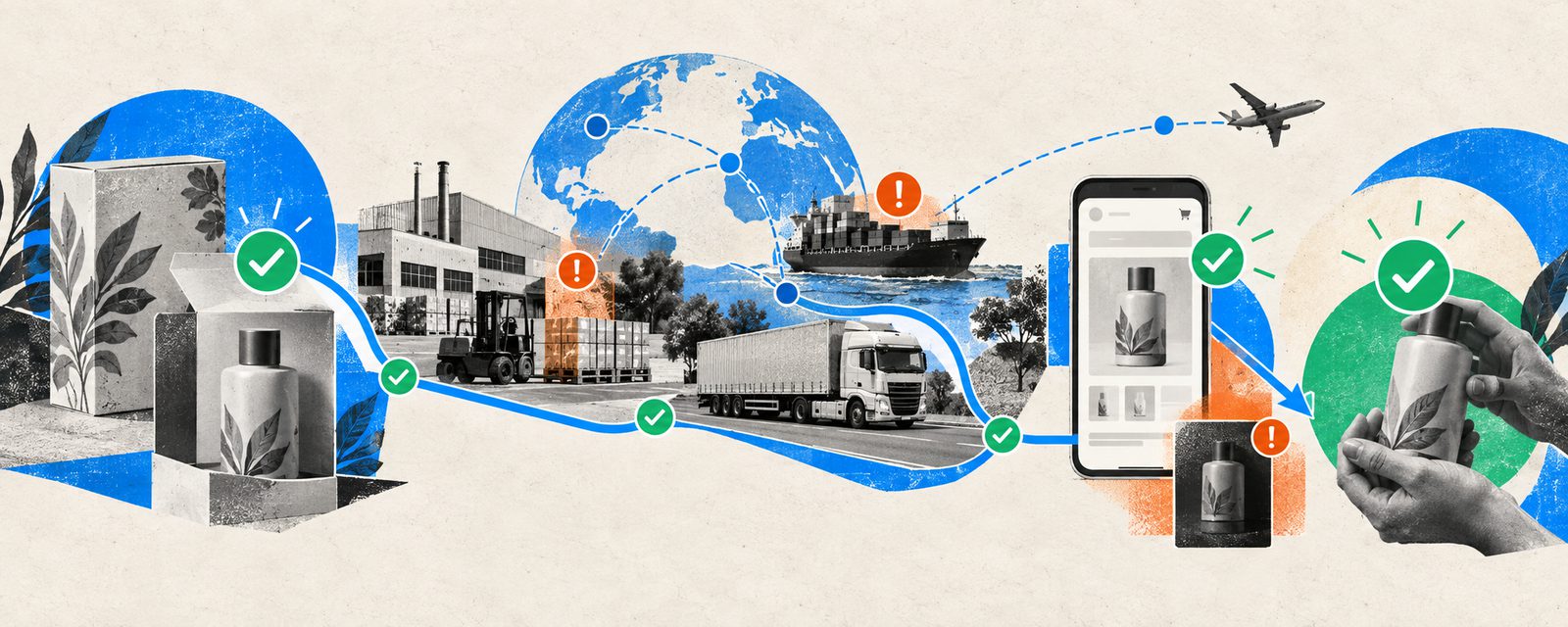
To address the growing online threats, Acviss offers Truviss, an advanced brand protection tool designed to secure your business in real-time, including the impersonation and fraud patterns covered in our piece on preventing impersonation and fraud on social media.Key Features of Truviss
- Full Protection: Safeguard your brand across e-commerce, social media, apps, and websites.
- Real-Time Monitoring: Detects fake sellers, impersonation, and duplication before damage occurs.
- Automated Solutions: AI-enabled tools remove fakes and identify threats instantly.
- Customer Engagement: Helps brands educate customers about counterfeit risks, fostering trust and loyalty.
- Cost-Effective and Impactful: Provides scalable protection without draining resources.
Conclusion
In the digital age, brand protection is no longer an option, it’s a necessity. The challenges posed by counterfeits, impersonation, and cyberattacks demand innovative, automated solutions. By integrating tools like Truviss into your strategy, you can protect your reputation, customers, and bottom line. Ready to secure your brand? Contact Acviss today for a demo of Truviss and take the first step towards a safer online presence.FAQs
1. What is Online Brand Protection? Online brand protection involves safeguarding a brand’s reputation, intellectual property, and customer trust from threats like counterfeiting, impersonation, phishing, and ransomware. It ensures that the brand’s online presence remains secure and credible. 2. Why is brand protection important for businesses? Implementing Brand protection for long term is critical because online threats can damage a company’s reputation, erode customer trust, and result in significant financial losses. Counterfeit products, fake profiles, and data breaches can have long-term consequences for both the brand and its customers. 3. How do counterfeit products affect brands? Counterfeit products dilute brand value, confuse customers, and lead to a loss of trust and loyalty. They also divert revenue away from legitimate sellers, impacting the brand’s bottom line. 4. What are the common online threats brands face today? Brands face threats such as:- Counterfeit product listings.
- Impersonation on social media.
- Spam links and phishing attacks.
- Ransomware targeting sensitive data.
- Fake websites or lookalike domains.
- AI-enabled tools for real-time monitoring of listings.
- IP enforcement strategies to detect fake profiles and domains.
- Serialization and track-and-trace technology to ensure product authenticity.
- Using blockchain technology for traceability.
- Implementing serialization to assign unique identifiers to products.
- Employing tamper-proof packaging to prevent product tampering during transit.
- Buying from authorized sellers or official brand websites.
- Checking for authenticity markers like QR codes or holograms.
- Being cautious of deals that seem too good to be true.

Brand security isn’t optional anymore
Book a free demo and see how Truviss protects your brand’s digital presence around the clock.
Book a Free DemoMore like this on:Online Brand Protection