
In this article
Recent Posts
Brand Protection Mithileshkumar R NaikMay 19, 202611 min read
Step by Step Guide to Remove Counterfeit Products from Flipkart
 Mithileshkumar R NaikMay 19, 202611 min read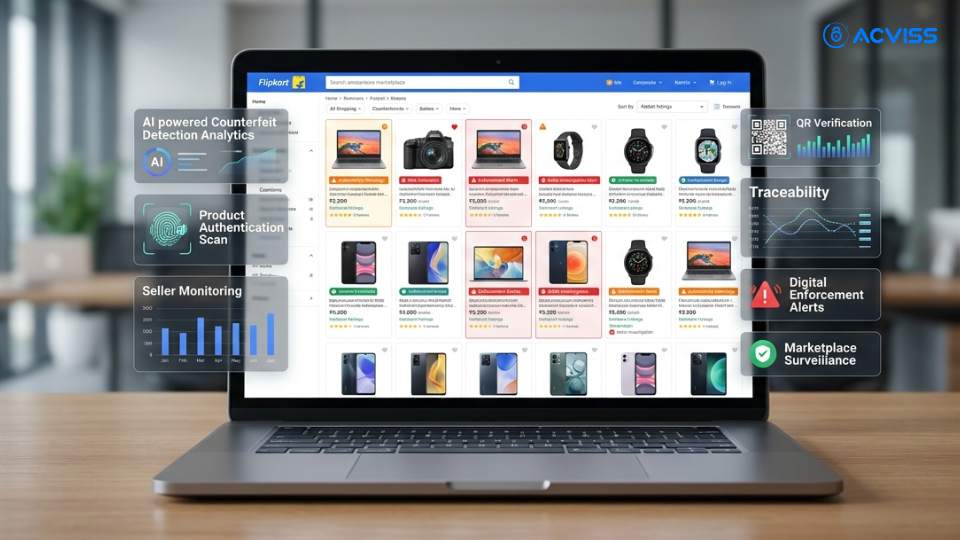
TL;DR
- Flipkart has a formal IP infringement reporting process, but manually filing and tracking takedowns for every fake listing doesn’t scale for most brands.
- Brands need to identify counterfeit listings, gather evidence, and submit through Flipkart’s seller/brand portal correctly to get a listing removed.
- Repeat offenders often relist under new seller accounts, so a one-time takedown rarely solves the underlying problem.
- Automated monitoring tools catch new counterfeit listings as they appear, instead of relying on manual searches after the fact.
 If you manage a brand sold on Flipkart, there is a good chance counterfeit versions of your products are already live on the platform. You may not know it yet. Sellers copy product listings, use your brand name and images, and ship cheap knockoffs to customers who think they are buying the real thing. By the time a customer leaves a one-star review or files a complaint, your brand’s reputation has already taken a hit.
The scale of the problem in India is significant. Industry estimates suggest that counterfeit and pirated goods cost Indian businesses hundreds of billions of rupees annually, with consumer goods and apparel accounting for a large share of that loss. Marketplaces like Flipkart, with hundreds of millions of registered users and millions of active sellers, are among the primary channels through which fake products reach end consumers. The FICCI CASCADE committee has consistently flagged e-commerce platforms as a growing channel for counterfeit distribution, noting that the ease of listing and the volume of sellers make detection difficult without dedicated systems.
This guide is written for brand managers and marketing heads who need to act. It walks you through every step, from enrolling in Flipkart’s brand protection tools to automating enforcement when the manual process no longer scales.
If you manage a brand sold on Flipkart, there is a good chance counterfeit versions of your products are already live on the platform. You may not know it yet. Sellers copy product listings, use your brand name and images, and ship cheap knockoffs to customers who think they are buying the real thing. By the time a customer leaves a one-star review or files a complaint, your brand’s reputation has already taken a hit.
The scale of the problem in India is significant. Industry estimates suggest that counterfeit and pirated goods cost Indian businesses hundreds of billions of rupees annually, with consumer goods and apparel accounting for a large share of that loss. Marketplaces like Flipkart, with hundreds of millions of registered users and millions of active sellers, are among the primary channels through which fake products reach end consumers. The FICCI CASCADE committee has consistently flagged e-commerce platforms as a growing channel for counterfeit distribution, noting that the ease of listing and the volume of sellers make detection difficult without dedicated systems.
This guide is written for brand managers and marketing heads who need to act. It walks you through every step, from enrolling in Flipkart’s brand protection tools to automating enforcement when the manual process no longer scales.
Why Counterfeits Thrive on Flipkart
Flipkart operates a marketplace model, meaning thousands of third-party sellers list products alongside Flipkart’s own inventory. This structure creates opportunity for bad actors. A seller can create a new account, list a product under your brand name, and be live within hours, creating a fresh counterfeit listing in the process. Flipkart’s seller onboarding process has improved over the years, but the sheer volume of new seller registrations makes it impossible to manually verify every listing. Several factors make Flipkart particularly attractive for counterfeiters in India:- Price sensitivity: Indian buyers on Flipkart are often comparing prices aggressively. A counterfeit priced 30-40 percent lower than your authentic product looks like a deal.
- Difficult-to-verify authenticity: Most buyers cannot tell from a product image whether a listing is authentic or fake. Sellers use your own brand photos, packaging images, and descriptions.
- High seller churn: When a fake seller gets suspended, they often re-register under a different name or business entity and resume selling within days.
- Cross-border sourcing: Many counterfeit goods originate from suppliers in China or from domestic grey-market channels, making traceability harder.
- Search ranking exploitation: Counterfeit listings sometimes piggyback on your product’s search ranking history, making them visible to buyers already searching for your brand.
Step 1: Enroll in Flipkart Brand Registry

Flipkart’s Brand Registry is the foundation of any serious enforcement effort on the platform. It is a formal program through which brand owners can register their trademarks, gain additional control over listings, and access IP complaint tools that are not available to ordinary sellers.
To enroll, you will need:
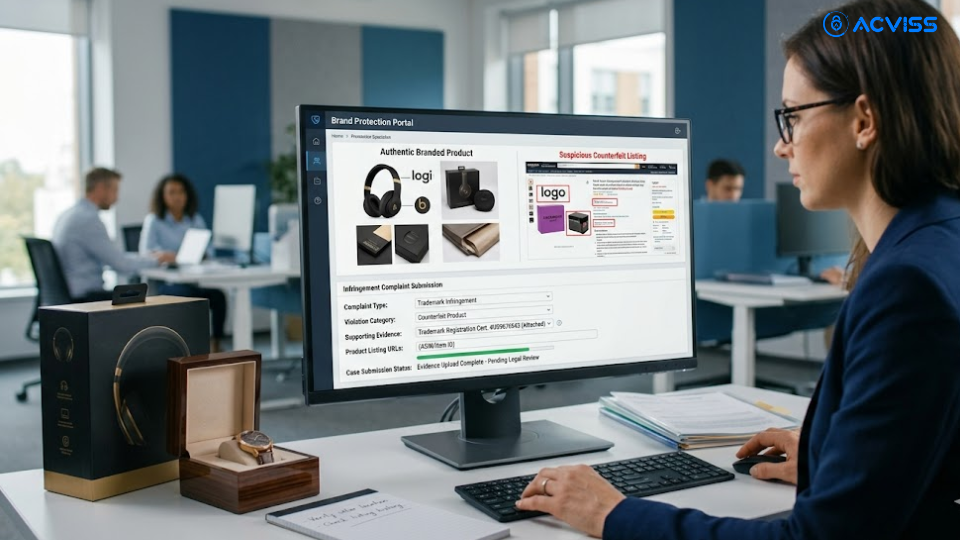
- A registered trademark in India (or a pending trademark application with a filing number)
- Brand name and logo documentation
- Official brand website
- Company registration documents
- Point of contact for IP-related correspondence
Step 2: Document the Infringement
Before you file any complaint, you need strong documentation. Flipkart’s IP team reviews complaints based on the evidence you provide. Weak submissions get rejected or ignored. Strong submissions result in faster takedowns. Here is what you need to collect for each infringing listing:- Full URL of the listing: Copy the product page URL, including all URL parameters. URLs can change after takedown, so document the original link.
- Screenshots with timestamps: Capture the full product page showing the seller name, price, product images, and brand name. Use a tool that embeds timestamps or note the date and time manually.
- Seller details: Note the seller’s display name, store name, and any contact details visible on the listing.
- Listing ID or ASIN equivalent (FSN on Flipkart): Flipkart uses an FSN (Flipkart Serial Number) for every product. Capture this from the product URL or page.
- Evidence of trademark infringement: Highlight where and how your brand name, logo, or product design is being used without authorization.
- Test purchase documentation (if done): If you have purchased the fake product, document the packaging, the product itself, and how it differs from the authentic version. This is strong evidence.
Step 3: File a Complaint Through Flipkart’s IP/Brand Protection Portal
Once you have your documentation ready and your Brand Registry enrollment confirmed, you can submit a formal IP complaint through Flipkart’s reporting tools.
Log into your Brand Registry account and navigate to the IP complaint section. You will be asked to select the type of infringement (trademark, copyright, or counterfeit), provide the infringing listing URLs, and attach your supporting documentation. Be specific in your complaint. Describe exactly how the seller is infringing your trademark and why the product is counterfeit rather than an authorized resale.
A few tips to improve your success rate:
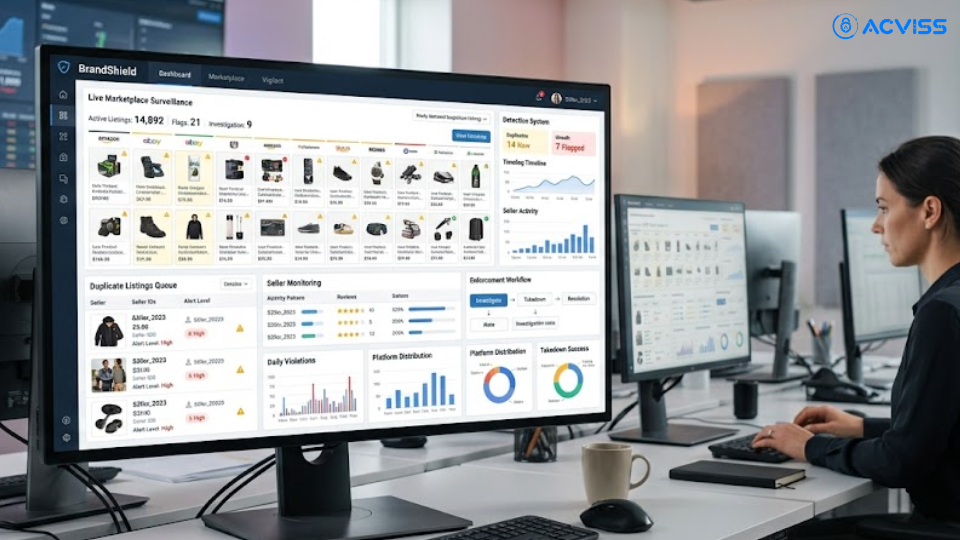
- Submit complaints in batches when possible. A single complaint with 20 infringing listings is often handled faster than 20 individual complaints.
- Be factual and precise. Avoid vague language like “this seems fake.” Instead, state: “The seller is using our registered trademark [TM Reg No. XXXXXXX] without authorization and is offering a product that does not match our authentic product specifications.”
- Include your trademark certificate or filing acknowledgment with every complaint.
- Use the email trail. After submitting online, follow up via email to Flipkart’s seller support or the Brand Protection team to create a paper trail.

See Truviss in action
See how Truviss automates counterfeit takedowns across Flipkart and other marketplaces.
Explore TruvissStep 4: Escalate if the Takedown Fails
Not every complaint gets resolved cleanly. Listings stay live. Flipkart support responds with generic acknowledgments. The seller disputes the complaint. When this happens, you have several escalation paths. Escalate within Flipkart: Request escalation to Flipkart’s Brand Protection team directly. If you have a relationship manager at Flipkart (common for large brand partners), involve them. Persistent follow-up via email, referencing your original complaint ticket number, signals that you are serious. Send a legal notice: Have your legal counsel send a formal cease-and-desist notice to Flipkart under the Information Technology Act and the Trade Marks Act, 1999. Under the IT Act’s intermediary liability framework, Flipkart has an obligation to act on credible complaints from intellectual property holders. A formal legal notice creates a compliance obligation they cannot easily ignore. File a complaint with the consumer forum or cybercrime cell: If the counterfeit product is causing consumer harm, you can file a complaint with the National Consumer Disputes Redressal Commission (NCDRC) or the local consumer forum. For fraud involving digital platforms, the cybercrime cell (cybercrime.gov.in) accepts complaints that can put pressure on both the seller and the platform. Engage a brand protection lawyer: For repeat infringers or large-scale counterfeiting operations, an Anton Piller order (civil search and seizure) or injunction from a High Court can be effective. Indian courts have issued such orders against counterfeit sellers operating through e-commerce platforms.Step 5: Monitor for Re-Listings
Here is the pattern you will encounter: you file a complaint, Flipkart removes the listing, and within days, a near-identical listing appears under a slightly different seller name or a new product page. This is not an anomaly. It is the standard operating procedure for counterfeit seller networks.
Monitoring for re-listings is not optional if you want sustained brand protection. You need to check Flipkart regularly for:
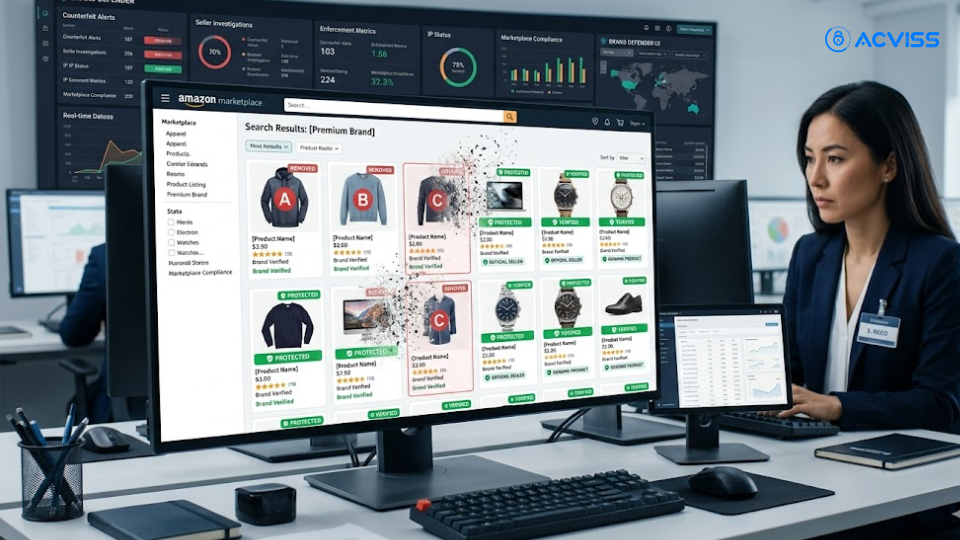
- Your brand name used by unauthorized sellers
- Products listed at suspiciously low prices in your category
- Listings using your product images but with different seller accounts
- Variations of your brand name (misspellings, added characters)
- Products that appear in search results for your brand keywords but are not from you or your authorized distributors
When Manual Enforcement Breaks Down
If your brand has more than 20-30 SKUs on Flipkart, or if you sell in categories that attract heavy counterfeiting (personal care, apparel, electronics accessories, food supplements, footwear), the manual process will eventually collapse under its own weight. Think about what manual enforcement requires: someone on your team must search for fake listings, document them, file complaints, follow up on each ticket, track removals, monitor for re-listings, and repeat the cycle indefinitely. Across dozens of SKUs and a platform with millions of active listings, that is a full-time job. And it only covers Flipkart. The same counterfeits are almost certainly appearing on Amazon India, Meesho, IndiaMart, and dozens of other platforms simultaneously. The economics of counterfeiting mean that bad actors invest very little per listing. The cost of re-listing after a takedown is essentially zero. Your enforcement cost, by contrast, is significant in terms of time and resources. Manual enforcement puts you at a structural disadvantage. Brands that operate at any real scale need a systematic solution: one that monitors continuously, detects infringements automatically, and files takedowns without requiring your team to do it manually for every listing.How Truviss Automates Flipkart Brand Protection
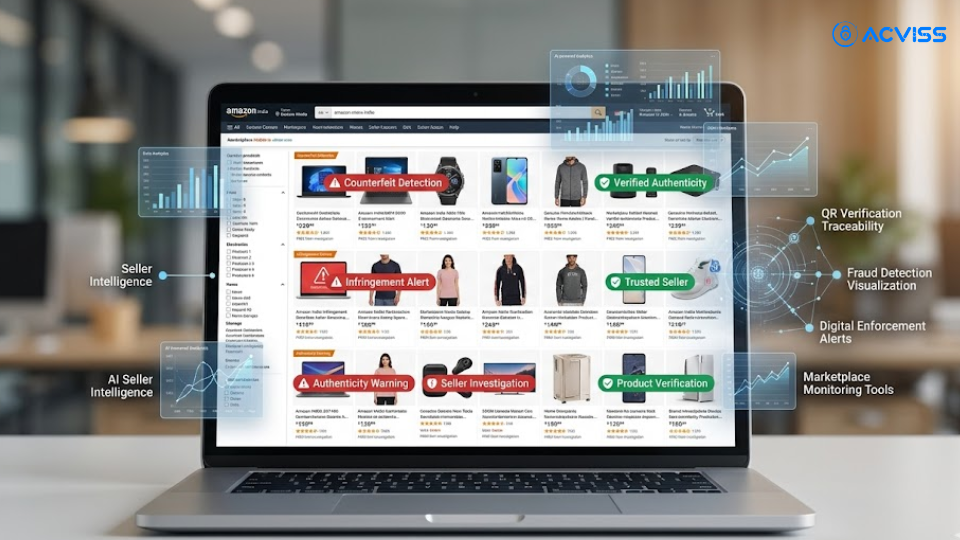
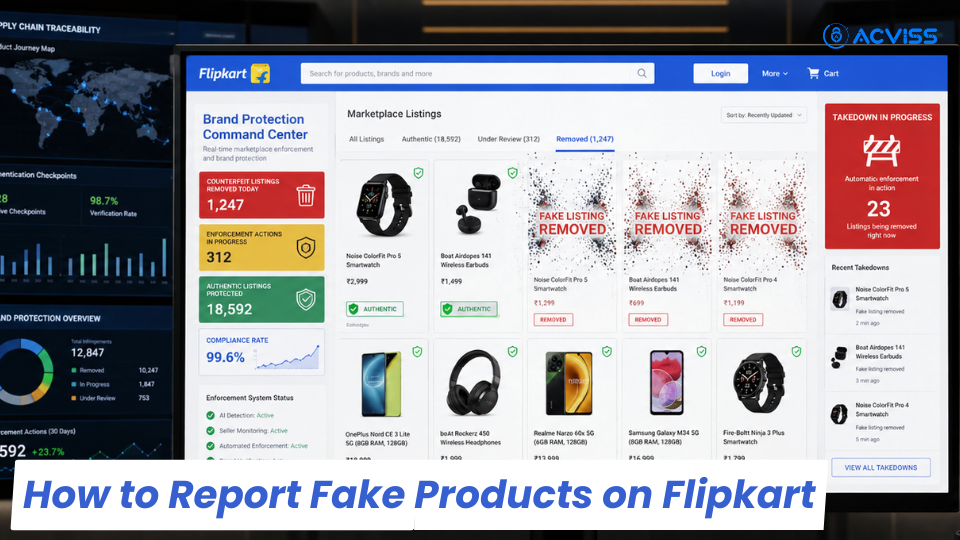
Truviss, Acviss’s online brand protection platform, monitors Flipkart and more than 5,000 other marketplaces including Amazon India, Meesho, IndiaMart, and Myntra continuously. It scans listings using your brand name, product identifiers, and images, flags potential infringements, and initiates takedown requests without your team having to do it manually for each listing. For brand managers who are dealing with dozens of SKUs across multiple platforms, Truviss converts what is currently a reactive, labor-intensive process into an automated enforcement pipeline. You see a dashboard of active violations, completed takedowns, and re-listing activity. Instead of discovering a fake listing when a customer complains, your team knows about it as soon as it appears. If you want to see how it works for your specific brand and product category, you can book a demo here.Frequently Asked Questions
Does Flipkart Brand Registry guarantee that counterfeits will not appear on the platform?
No. Brand Registry gives you better tools and faster access to Flipkart’s enforcement team, but it does not prevent counterfeits from being listed in the first place. New sellers can still list infringing products; Brand Registry makes it easier for you to report and remove them.Can I take legal action against the counterfeit seller directly, not just Flipkart?
Yes. If you can identify the seller’s business registration details (often available through the listing or through a legal notice to Flipkart), you can pursue civil action under the Trade Marks Act, 1999 or the Copyright Act, 1957. For criminal proceedings, you can file a complaint under the IPC for fraud and cheating. Working with a lawyer experienced in IP enforcement in India is advisable.What if the same product is being counterfeited across multiple platforms at once?
This is extremely common. Counterfeit seller networks typically operate across several platforms simultaneously. Filing complaints on one platform does not prevent the same product from appearing on others. You need a monitoring strategy that covers all the platforms where your brand is present, which is where automation tools become essential.How long does a Flipkart takedown typically take?
Standard IP complaints filed through the Brand Registry portal typically take 3-10 business days. Escalated cases, or those with strong documentation and legal backing, can move faster. However, timelines vary and are not guaranteed. Consistent follow-up improves outcomes.Protect your brand on Flipkart and 5,000+ other marketplaces.
Manual enforcement does not scale. Truviss monitors continuously and removes fake listings before they damage your sales and customer trust. Talk to an Acviss expert about what automated brand protection looks like for your brand. Book a Free Consultation with Acviss
Stop chasing counterfeit listings manually
Book a free demo and see how Truviss finds and removes fake listings on Flipkart automatically.
Book a Free DemoMore like this on:E-Commerce Marketplaces
Related reading

How to Reserve and Register a Trademark for Your Brand
A brand name isn’t protected just because you’re using it. Until it’s registered as a trademark, anyone else can file for
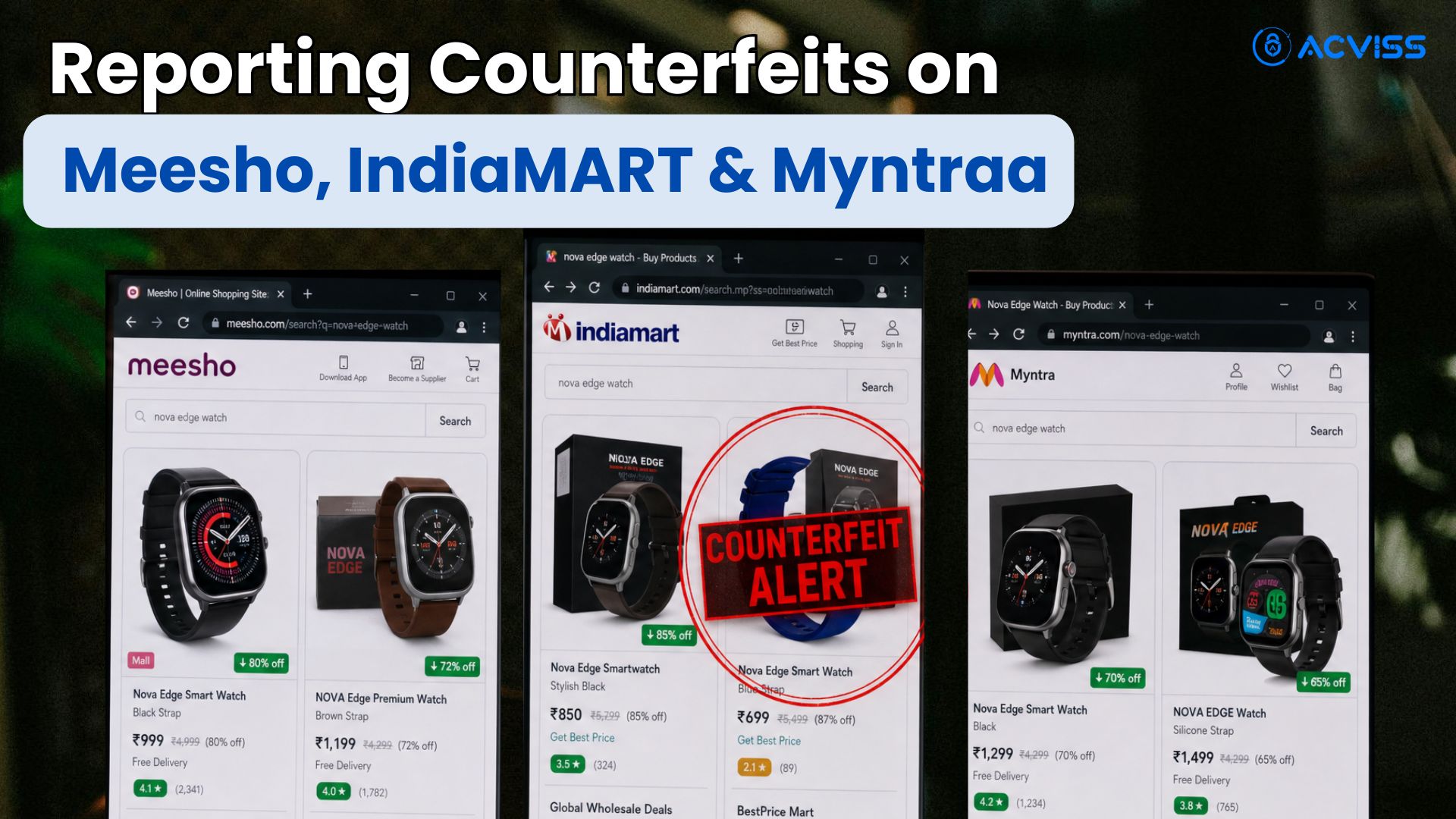
How to Remove Counterfeits on Meesho, IndiaMart and Myntra
Most brand protection conversations in India focus on Flipkart and Amazon. Those platforms deserve attention, but