
Why Social Commerce Is Your Biggest Unmonitored Counterfeit Channel
 Mithileshkumar R NaikSep 4, 20264 min read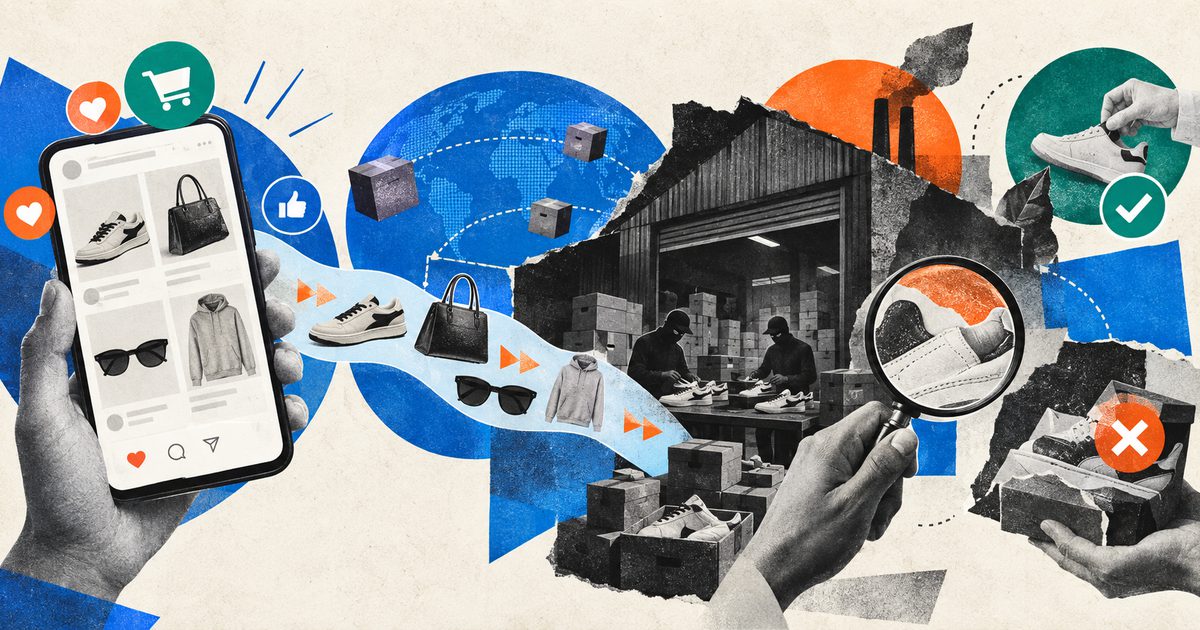
- US social commerce sales hit $87 billion in 2025, up 21.5% year over year (eMarketer), and counterfeiters have captured a real share of that spend while platform enforcement hasn’t kept pace. Standardised product identifiers like GS1 Digital Link are one structural fix being proposed, covered in the GS1 Digital Link 2027 sunrise.
- Instagram Shops, WhatsApp Business catalogues, and live-selling sessions aren’t crawlable the way a fixed-URL marketplace listing is, so standard monitoring tools structurally can’t reach them.
- Sellers advertise with brand hashtags on Instagram, then move the actual sale to encrypted DMs and WhatsApp specifically to dodge platform enforcement.
- Livestream sales close and vanish within minutes, often before a manual review or customer complaint ever reaches the seller.
- Truviss monitors these channels directly, rather than waiting for a customer complaint after a fake has already sold.
A brand’s marketplace monitoring team can point to exactly how a takedown works on Amazon: a listing has a URL, a seller ID, a review history. Flag it, file the report, the platform investigates, the listing comes down. Every brand that’s run this process for a year knows its shape. Social media impersonation follows a messier version of the same pattern, covered in our piece on preventing impersonation and fraud on social media. That’s one slice of the wider brand-security picture we cover in brand security in the digital age.
None of that applies to a sale that happened inside a WhatsApp Business catalogue, an Instagram Shop, or a 20-minute livestream. There’s often no persistent URL to flag, no seller history to reference, and by the time a customer notices the product they bought was fake, the seller has usually already moved on. FMCG distributors face a parallel diversion blind spot in their own channel data, covered in signs of an FMCG distributor diversion leak.
The Blind Spot Nobody’s Pricing In
Social commerce isn’t a niche channel anymore. US social commerce sales hit $87 billion in 2025, up 21.5% year over year according to eMarketer, and counterfeiters have followed that spend the way they’ve always followed any channel where enforcement is thin. The problem isn’t that platforms have no rules against counterfeit sellers. Instagram has a dedicated Counterfeit Report Form, Meta runs a Brand Rights Manager, TikTok Shop has its own IP Protection Center. The problem is that enforcement infrastructure was built for a different kind of listing than what social commerce actually produces.
Most brand-protection budgets are still sized around marketplace monitoring: Amazon, Flipkart, the platforms with a search bar and a product page. Social commerce grew around that blind spot, not despite it.
Why Closed-App Listings Beat Standard Monitoring
The core issue is structural, not a gap in effort. Marketplace-monitoring tools work by crawling and indexing: they need a stable URL, a searchable catalogue, something a bot can revisit and compare over time. That’s how a tool catches a counterfeit listing that’s been live for a week.
WhatsApp Business catalogues don’t offer any of that. A seller can build a catalogue visible only to the customers who’ve messaged them, sell entirely through one-to-one chat, and never expose a single indexable page. Instagram Shops sit slightly more in the open, but a large share of social commerce fraud still happens the way research on Instagram scams consistently describes it: a seller posts using a real brand’s hashtags to get discovered, then pushes the actual transaction into DMs, where there’s no public listing left to report at all. That same DM-to-checkout funnel is exactly the pattern behind fake giveaway scams — see how fake giveaway scams route through a cloned checkout.
This is exactly the gap Truviss was built to close. Instead of waiting for a URL to crawl, it monitors the social and marketplace channels directly, so a fake listing gets flagged from the same place a customer would have found it, not after someone’s already been sold a counterfeit product.

See Truviss in action
See how Truviss monitors Instagram Shops, WhatsApp catalogues, and live-selling for counterfeit listings.
Explore Truviss
The Livestream Problem: Gone Before Anyone Can Act
Live-selling adds a second, harder version of the same problem. A livestream counterfeit sale doesn’t sit on a page waiting to be reviewed. It runs for minutes, the seller takes orders in real time, and the stream ends before a manual moderation queue or a brand’s own monitoring team ever gets to it.
Even the platform-policy guides that go deepest on counterfeit enforcement treat this as a known edge case rather than a solved one. That’s a fair reflection of where the industry actually is: livestream commerce moves faster than a review-and-report workflow can follow, and no amount of policy language changes the timing problem underneath it.
How Sellers Move Faster Than a Single Takedown Notice
Counterfeit sellers on social platforms don’t behave like a single storefront a brand can monitor once and be done with. The pattern researchers keep documenting is consistent: advertise with the brand’s own hashtags to get found by real customers, move the conversation to DMs or WhatsApp to get out of the platform’s public view, and if an account gets reported or removed, open a new one and repeat the cycle.
A takedown notice closes one account. It doesn’t touch the next one the same seller opens the following week — a repeat-listing pattern the IndiaMART v Puma ruling explicitly addressed when it conditioned safe harbour on preventing exactly that, because nothing about the underlying monitoring caught the pattern, only the single instance. Brands relying on a report-when-a-customer-complains process are always a step behind a seller who’s already planning the next account.
Marketplace Listing vs. Social Commerce Listing
| Marketplace listing | Social commerce listing | |
|---|---|---|
| Discoverability | Fixed URL, searchable catalogue | Closed catalogue or DM-only, often not indexable |
| Seller history | Persistent seller ID, review history | Often none, or reset with each new account |
| Lifespan | Stays live until reported | Livestream sales can end and vanish in minutes |
| Standard takedown process | Report, platform review, listing removed | Frequently nothing to report by the time it’s noticed |
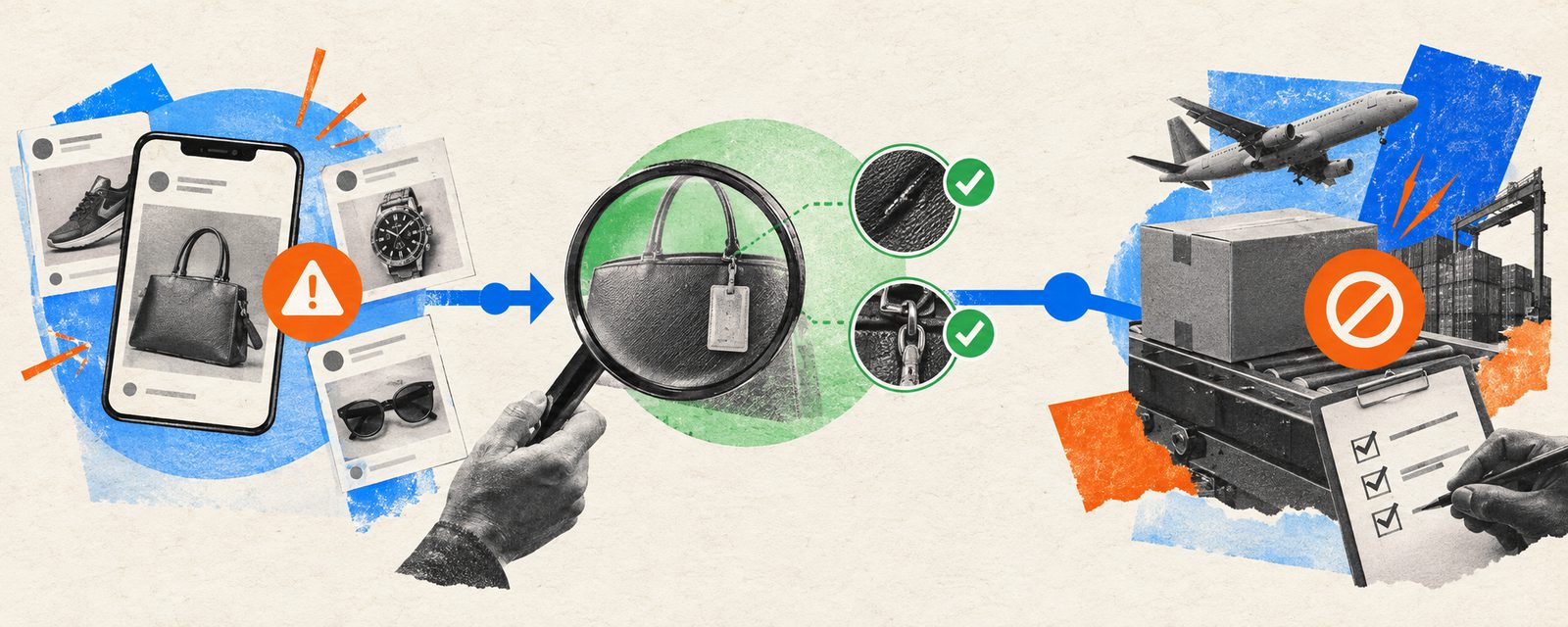
Where This Fits in Your Broader Brand Protection Strategy
Social commerce monitoring isn’t a replacement for marketplace monitoring or product-level anti-counterfeiting work, it’s a channel most brands are missing entirely. If your current setup only reaches Amazon-style fixed-URL listings, it was never going to catch a sale that happened inside a WhatsApp catalogue in the first place.
For the fuller picture of how takedown processes, monitoring, and authentication fit together across every channel a brand sells through, see our complete guide to online brand protection. And if you’re deciding what kind of monitoring your brand actually needs first, Counterfeit Intelligence vs Brand Monitoring breaks down that distinction directly.

Marketplace monitoring wasn’t built to catch this
Book a free demo and see how Truviss covers Instagram, WhatsApp, and live-selling channels most brand-protection setups never reach.
Book a Free DemoRelated reading

Online Brand Protection: The Complete Guide for D2C and Marketplace Brands
By the time a customer messages a brand asking “is this listing real?”, the counterfeit or impersonation has usually been live f
Counterfeit Intelligence vs Brand Monitoring: Why They Aren’t the Same Thing
In this article Brand Monitoring Finds Signals. Intelligence Explains Them. Why Alert Volume Is a Poor