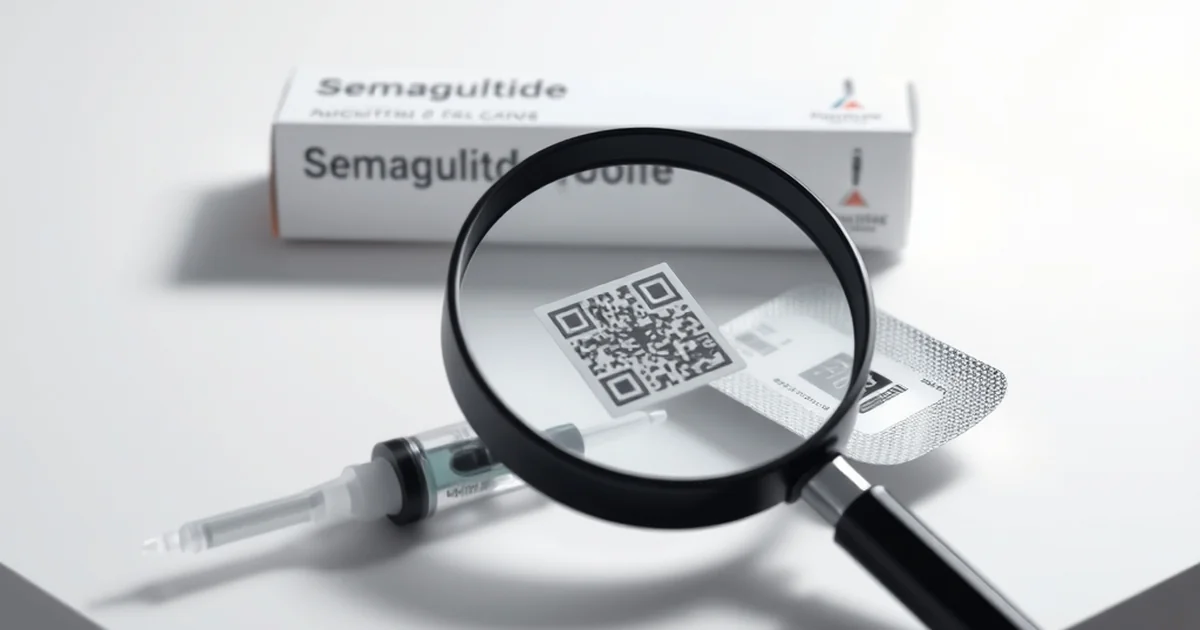

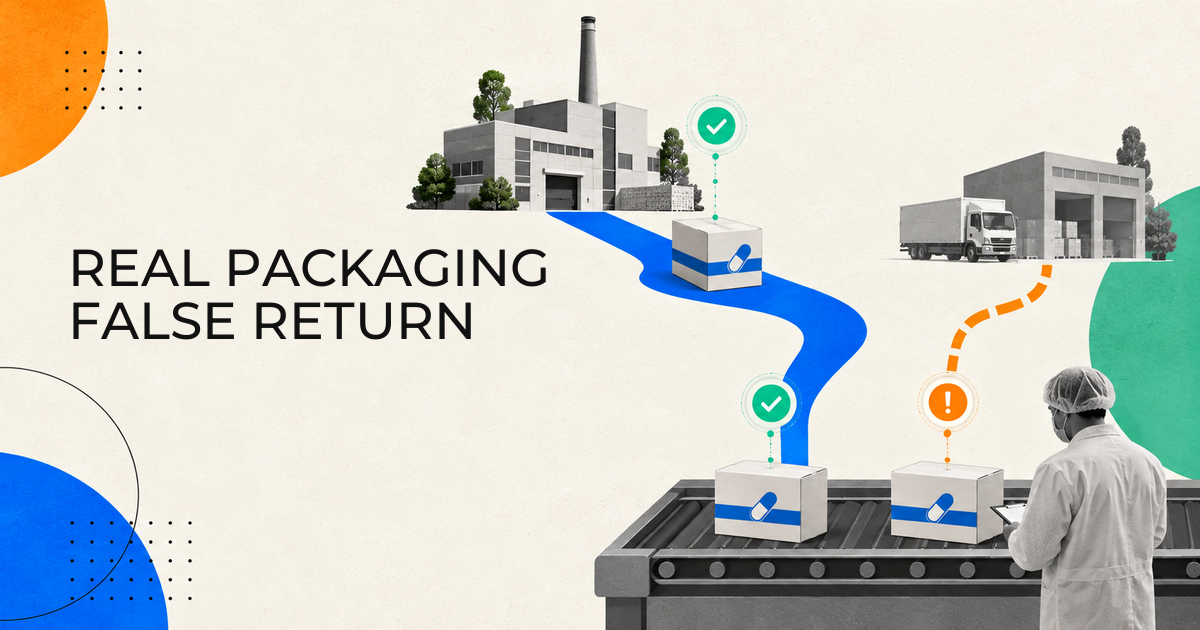
A returned pack that looks completely normal is exactly the kind of return that gets waved through. Right box, right batch print, right expiry date. Nothing about it asks for a second look.
That's the problem. A pack can be genuine and the return can still be fraud, because "the box looks right" and "this is the unit that actually shipped" are two different questions, and most return desks are only ever asked the first one.
TL;DR: Visually checking a returned pack confirms the packaging looks authentic. It does not confirm the pack is the specific unit your records say it is. CDSCO's own 2026 scrutiny of pharma packaging suppliers exists precisely because genuine packaging has been diverted and reused on fake medicine. That gap is what return authentication needs to close, not paper over.
A genuine box does not mean a genuine return
Multiple reports this year describe CDSCO examining mandatory printer registration for pharmaceutical packaging-material manufacturers and commercial printers. The trigger: authentic printed packaging, boxes and foils that really were manufactured for a real product, being diverted and later used to package counterfeit medicine.
That detail matters more than it first looks. A counterfeit built on stolen genuine packaging isn't a bad forgery. The box is real. The print quality is real. The batch code is printed correctly, because it's the correct print run, just attached to the wrong contents.
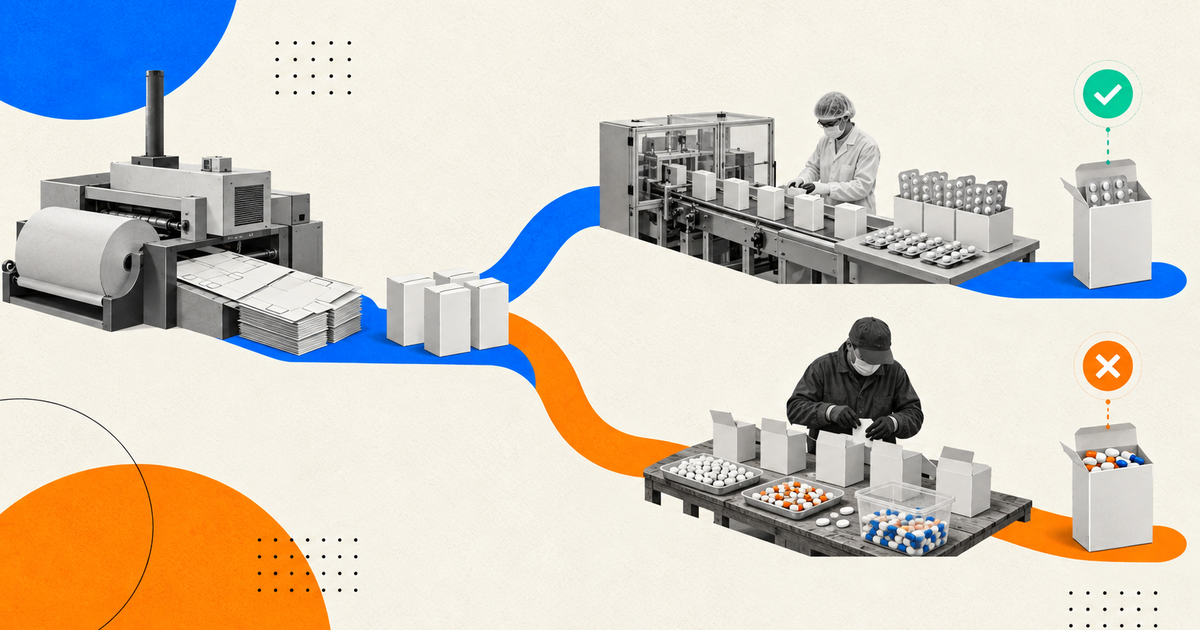
A visual check was never built to catch that. It was built to catch a bad forgery, blurry print, wrong colour, missing hologram, not a real box that ended up somewhere it shouldn't have.
Why the return desk never checks
Returns move fast by design. A distributor or pharmacist glances at the box, checks the batch and expiry look plausible, and processes the credit. Nobody is scanning a serial number against a central record at that step, because the return desk was never treated as a fraud checkpoint. It was treated as a logistics one.
That's a reasonable assumption when the packaging itself is hard to fake. It stops being reasonable the moment the packaging can be genuine and still be attached to the wrong product.
What verification before acceptance actually changes
Pharma isn't starting from zero on this idea. Under the US Drug Supply Chain Security Act, wholesale distributors must verify a product's unique identifier before a saleable return can be redistributed. If that identifier can't be verified against the record, the product doesn't go back into saleable stock as a normal return. This is a US requirement, not an Indian one. What it demonstrates is the mechanism, not a mandate Acviss is claiming applies here.

What changes at the return desk.
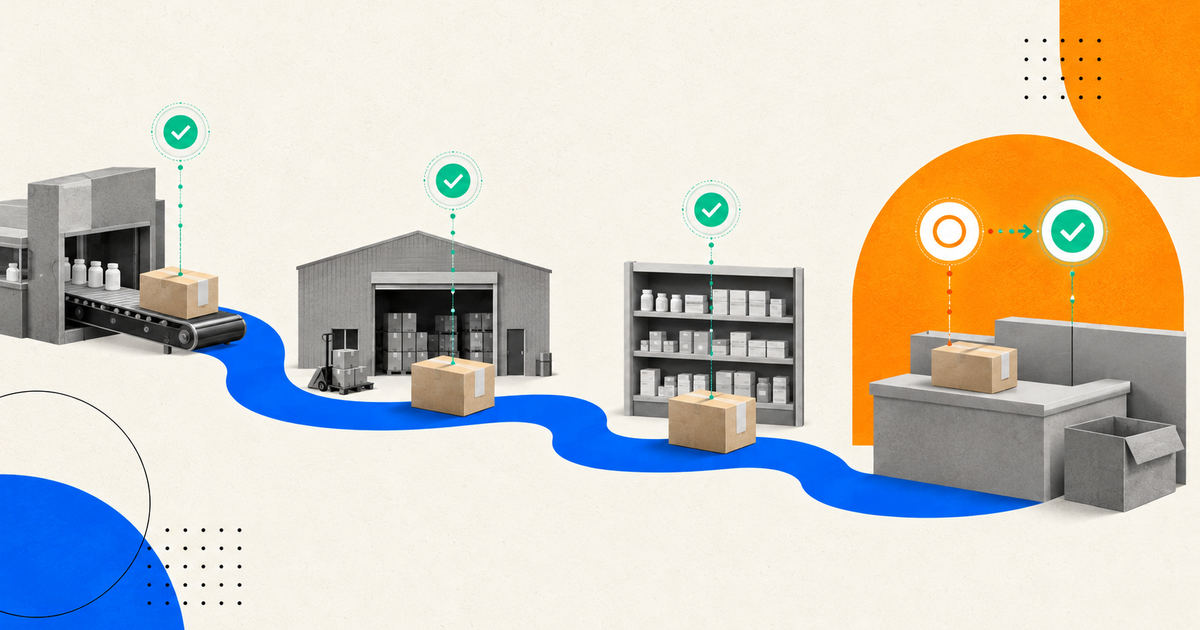
The question moves from "does this box look right" to "is this the specific unit our records say it is."
The difference in practice is small to describe and large to implement:
| Visual return check | Identity verification check |
|---|---|
| Confirms the box looks authentic | Confirms this is the specific registered unit |
| Catches a poor forgery | Catches genuine packaging attached to the wrong product |
| Runs on judgement, at speed | Runs against a record, in seconds |
The data already exists
This isn't a call for a new system. Manufacturers of the 300 drug formulations under Schedule H2 already have to encode batch number, expiry, manufacturing licence number and a unique product identification code into a QR code or barcode on the pack, a requirement in force since August 2023. That's the same category of data behind Acviss's own look at drug serialisation. The gap isn't that the data doesn't exist. It's that nobody checks it again once the product comes back through the door.
Certify assigns a unique digital identity to the unit at the point of manufacture. Checking that identity again at the point of return, before the credit is approved rather than after, uses data that already exists. It doesn't need a second system, just a second look at the one point that currently skips it.
What this does not solve
Confirming a pack's identity is genuine is not the same as confirming what's inside it is safe. The World Health Organization draws that line explicitly: a substandard product is an authorised medicine that fails a quality specification, with no intent to deceive, while a falsified product deliberately misrepresents its identity or source. Identity verification answers the falsification question. It says nothing about tampering or quality failure inside a pack that is, by every identity check, genuinely the right one.
Nor does verifying returns fix the upstream problem of packaging materials being diverted in the first place. Serial numbers and barcodes alone don't stop that either, which is a supply-chain control question, not a returns-desk one. CDSCO's own proposed printer-registration rules are aimed at that earlier point, not this one.
Where compliance teams still get this wrong
The most common mistake is treating packaging quality as a proxy for authenticity. It was a reasonable proxy when faking packaging well was hard. It stops working the moment the fraud runs on real packaging.
A close second is assuming a returns process problem belongs to logistics or finance, because that's who processes the credit. The decision about what counts as an acceptable return before restocking is a compliance decision, whoever happens to sit at the desk.
The check was always available. It just stopped at manufacturing.
Serialisation didn't fail here. It just never got extended to the one point in a pharma product's life where a genuine pack and a fraudulent return look identical from across the counter.
The fix isn't a new layer of packaging security. It's checking the identity that already exists, one more time, at the point that currently gets skipped. Book a demo with Acviss to see how Certify's verification extends from the factory gate to the return desk.
See how Certify closes the gap at the return desk
Certify assigns a unique digital identity at manufacture. See how that same identity gets checked again before a return is accepted, then book a demo to see how it fits your supply chain.

Related reading
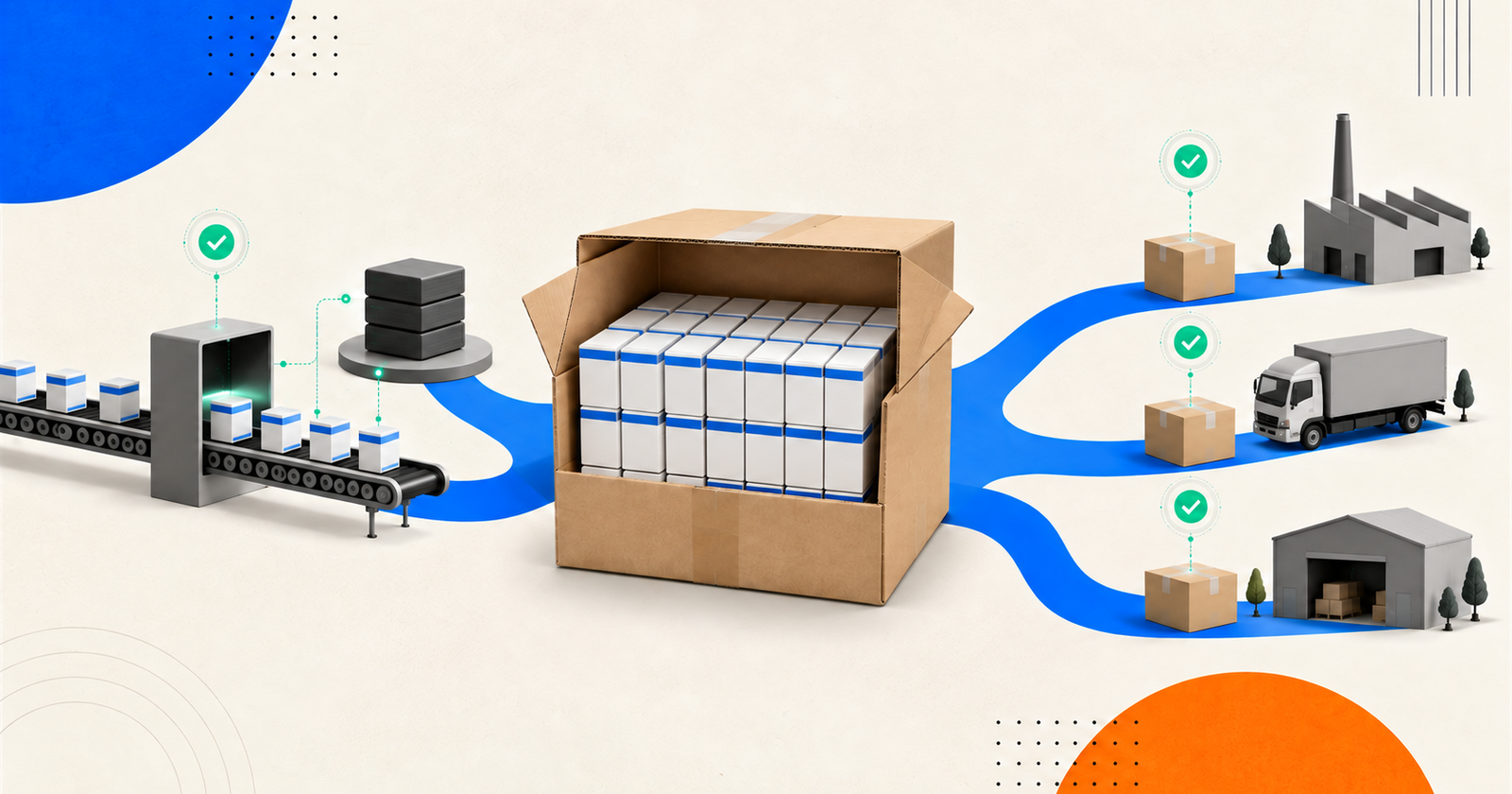
Aggregation Requirements Under EU FMD and US DSCSA: What Pharma Exporters Must Serialise for Both Markets
Read related Acviss guidance.
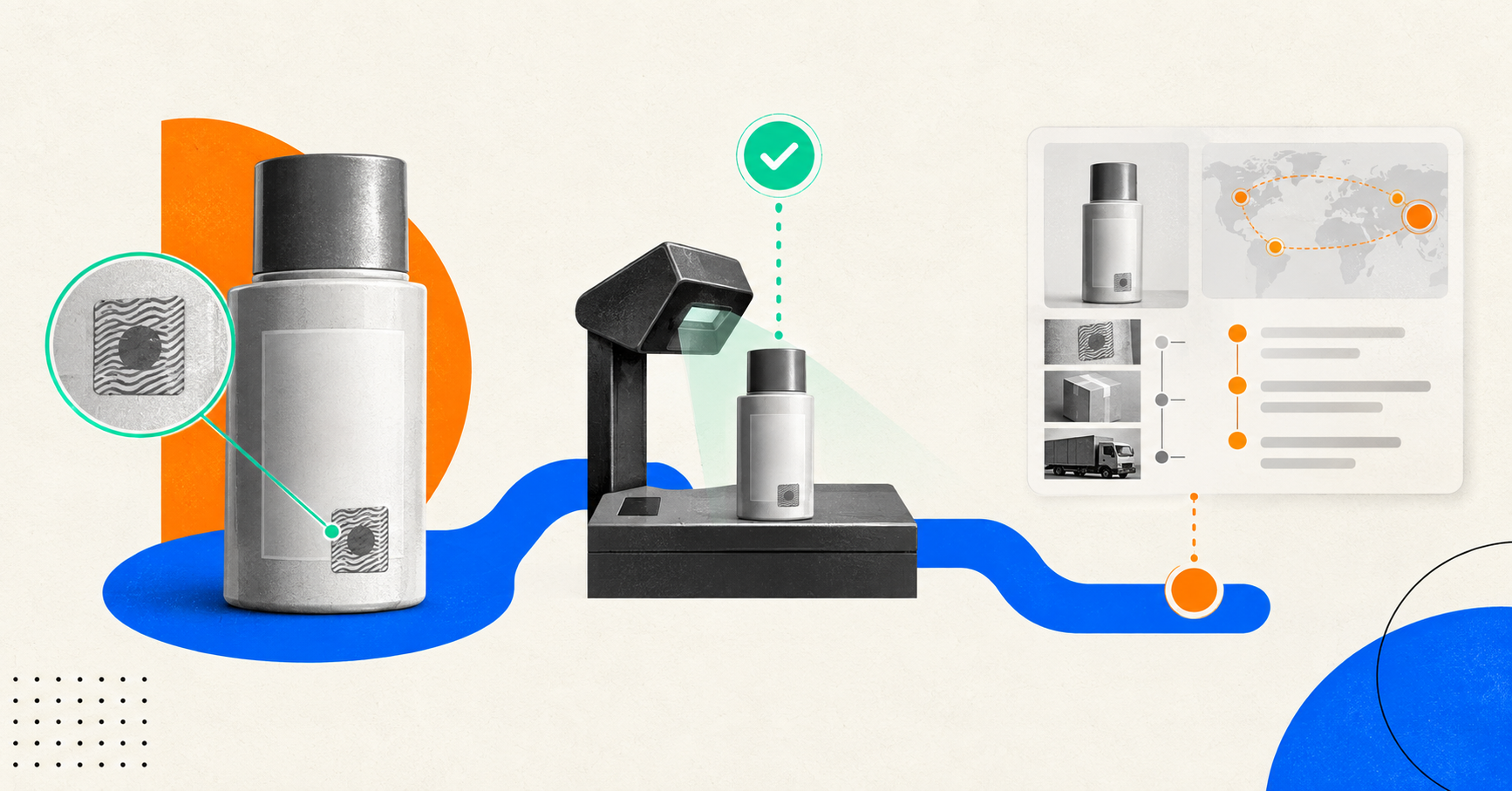
Product Authentication Technology: What Actually Works in Practice
Read related Acviss guidance.