
- A photo match was never the hard part
- What actually separates a genuine reseller from an infringing listing
- Why a flag isn’t a takedown request
- Why this is your problem before it’s legal’s
- What a vendor needs from you before this works
- Where brands still get this wrong
- The number was never the point
 Arun Krishnan2026-09-215 min read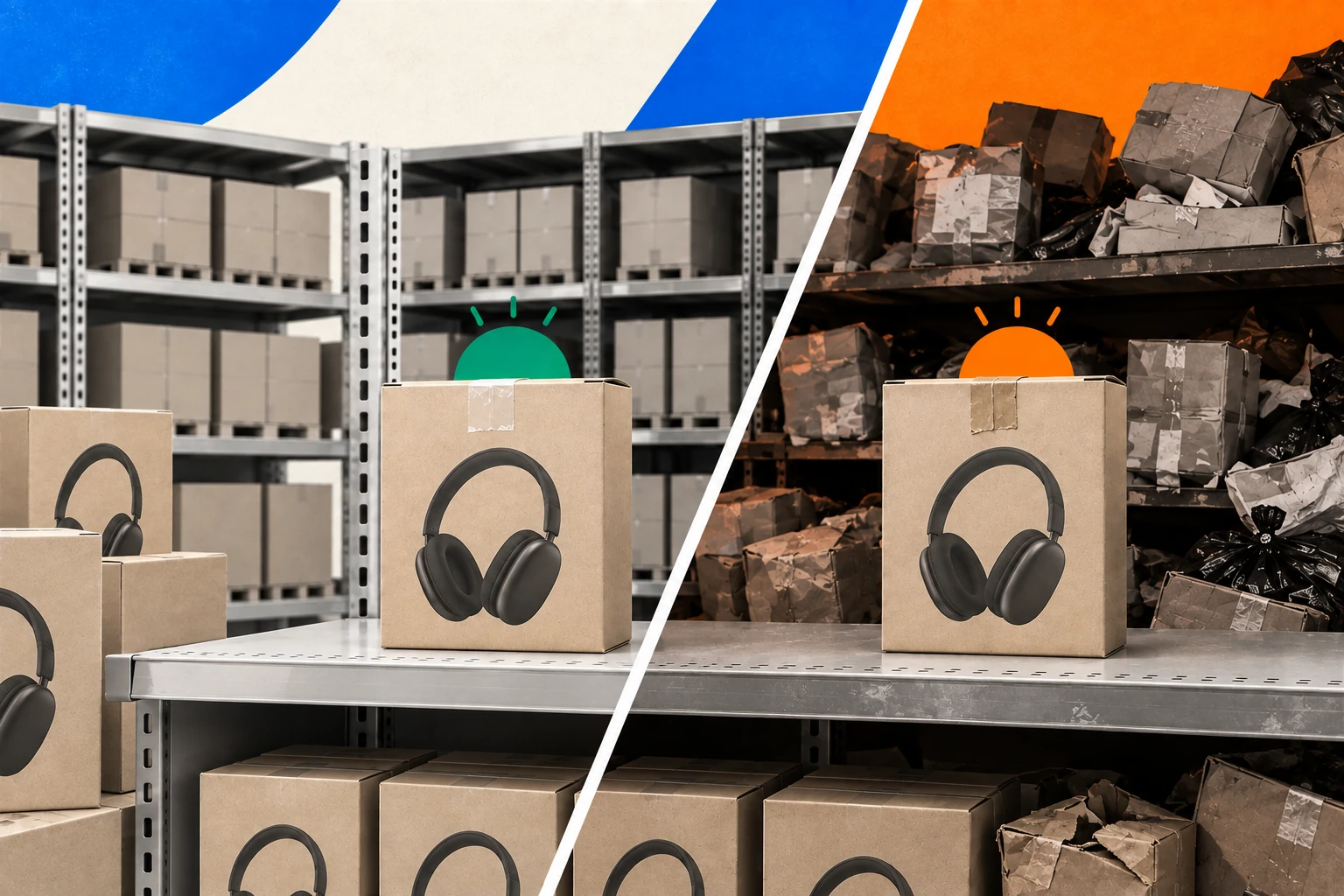
A vendor’s homepage promises 500+ data points per listing and coverage across 5,000+ marketplaces. Acviss’s own site carries the same numbers. The instinct is to read a bigger number as a better system.
That instinct skips the question that actually decides whether the system works for you: what happens after one of those data points trips. Global counterfeit trade is estimated at $467 billion a year, which is exactly why a bigger number feels reassuring. It isn’t the thing that protects you.
TL;DR: The number of data points a system checks isn’t what protects your brand. What matters is whether it can tell a counterfeit listing from a legally distinct problem, a genuine reseller selling your real product without permission, before a takedown request goes out in your name.
A photo match was never the hard part
Matching an image against a reference catalogue at scale is a solved problem. Reverse image search and basic computer vision have been able to find a copied product photo across thousands of listings for years. That isn’t what 500+ data points is actually buying you.
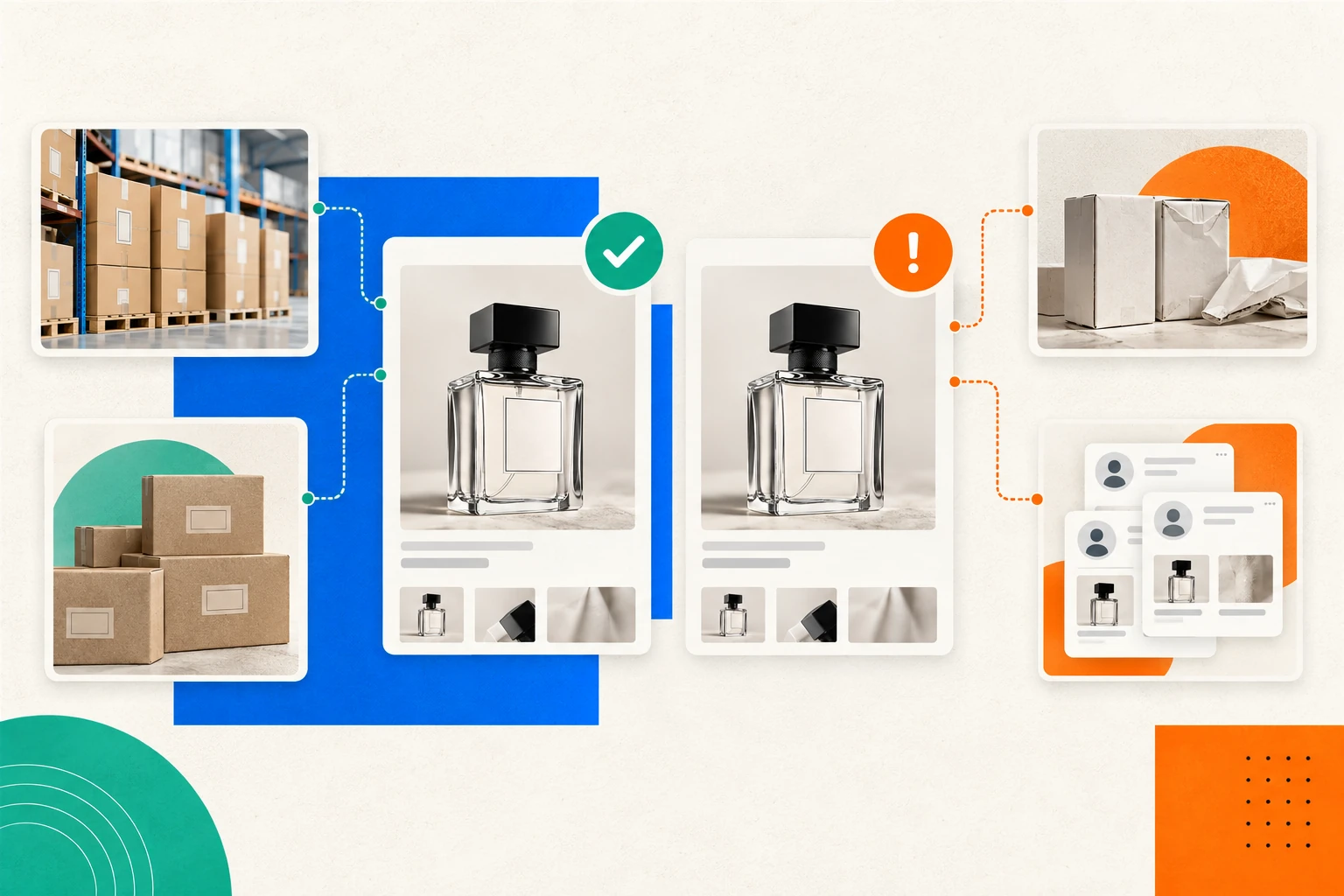
The hard part starts once the system finds a match. A listing using your exact product photo could be selling a counterfeit. It could also be a distributor who bought your real product wholesale and is reselling it without your permission, which in most jurisdictions is entirely legal. Same image. Two different problems, one of which a takedown request cannot legally touch.
That distinction is where a detection system either earns its data points or wastes them.
What actually separates a genuine reseller from an infringing listing
Under the first-sale doctrine, US courts have consistently held that reselling a genuine product after an authorised first sale doesn’t infringe the trademark, provided the goods reaching the customer are the ones the brand actually sold. That’s a US legal test specifically; the underlying idea, that a genuine reseller and a counterfeiter are legally different problems even when the photo is identical, holds broadly, though the exact defence varies by jurisdiction.
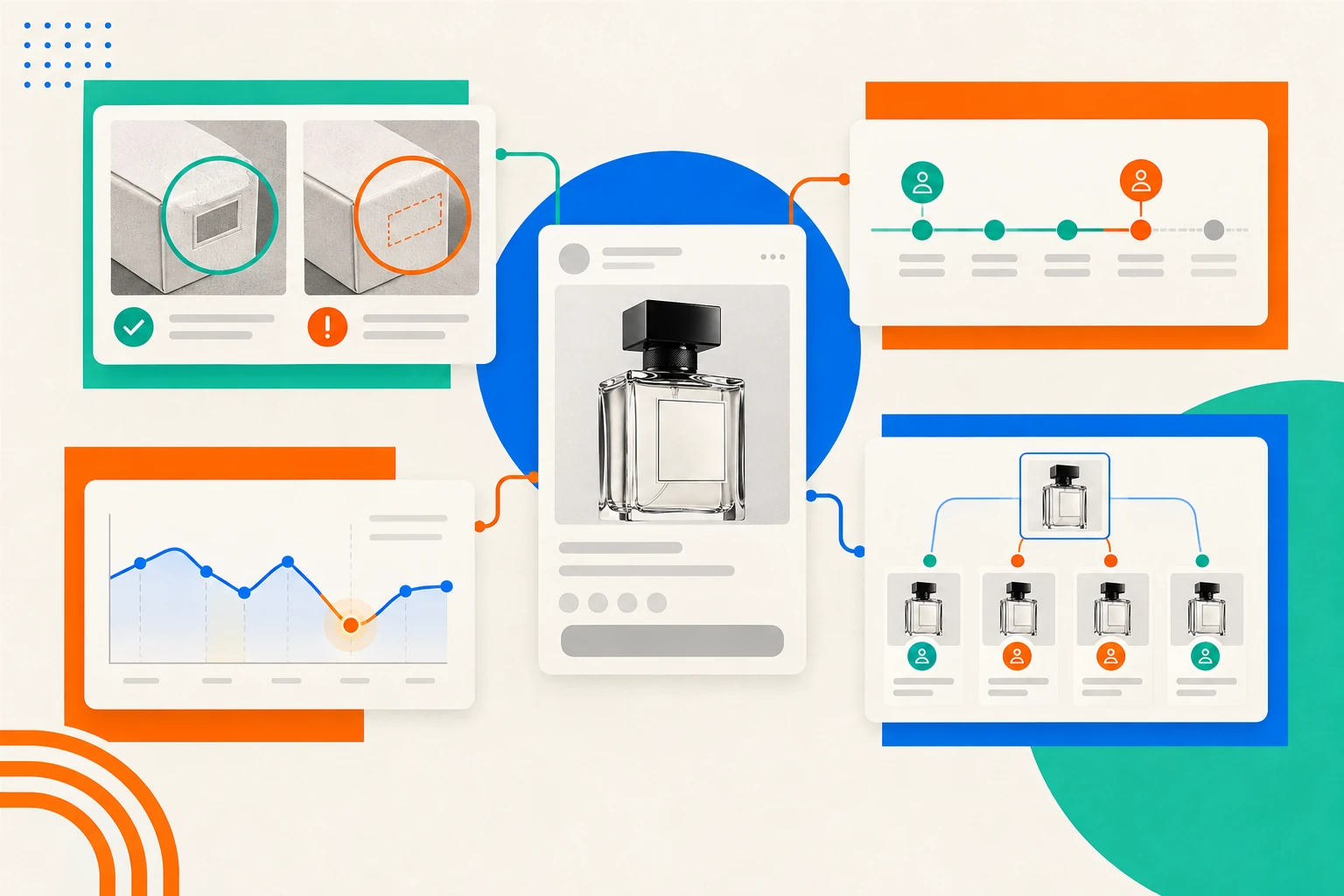
1. Material difference. Courts treat resold goods as “not genuine” the moment they materially differ from what the brand authorised: different packaging, missing batch data, a formulation change. That difference, not the photo, is what makes a listing infringing rather than merely unauthorised.
2. Seller account signals. Account age, verified business registration, and history on that specific marketplace separate a distributor who has sold your product for three years from an account created last week with no other listings.
3. Price and inventory pattern. A price sitting far enough below a plausible wholesale floor to be implausible for genuine liquidation stock is worth investigating. So is a seller volume that doesn’t match any known distributor’s allocation.
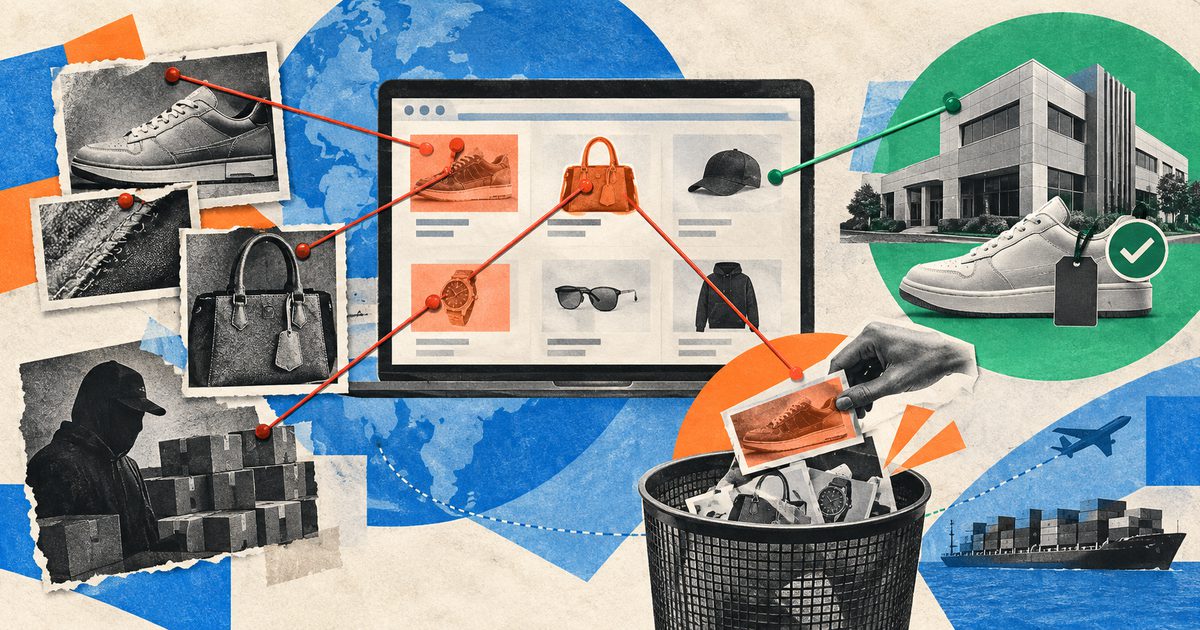
4. Cross-listing pattern. The same seller running dozens of near-identical listings, or the same photo appearing across many unrelated accounts, is a pattern a single-listing photo match will never surface on its own.
| Signal | What it actually tells you |
|---|---|
| Image or logo match | Confirms the listing is using your brand assets, not that the product is fake |
| Material difference from authorised spec | The strongest single signal that a listing is actually infringing, not just unauthorised |
| New or unverified seller account | Raises priority for review; doesn’t confirm counterfeit on its own |
| Price far below authorised floor | Flags for investigation; can also indicate genuine liquidation stock |
| Repeated pattern across listings or sellers | Turns individual flags into an enforcement case, not a one-off |
Why a flag isn’t a takedown request
A system that skips straight from flag to takedown is optimising for speed over accuracy. Accuracy is what a marketplace, and a court if it’s contested, actually checks afterwards.
The practical sequence runs flag, verify, package, escalate. A flag is the data-point match. Verification cross-checks the signals above against the specific listing. Packaging turns that verification into the documentation a marketplace takedown actually needs, not a screenshot. Escalation is the takedown request itself, filed once there’s something to act on.
The USTR’s 2025 Notorious Markets List names 37 online marketplaces it says still facilitate large-scale counterfeit trade. In an enforcement environment already that crowded, a takedown request that arrives without documentation gets deprioritised behind ones that don’t need re-verification.
See what sits between a flag and a takedown request.
A data point is a lead, not evidence.
Why this is your problem before it’s legal’s
It’s easy to assume the accuracy question above belongs to legal or IP, since they’re the ones who eventually file the takedown. It reaches you first.
A wrongly-flagged genuine reseller means real inventory disappearing from a marketplace you didn’t intend to lose, sometimes from your own authorised partner. A missed counterfeit means the customer complaints, refunds and one-star reviews land on your desk days before anyone escalates it to legal.
The accuracy of the signal decides which of those two problems you get. Both of them are yours before they’re anyone else’s.
What a vendor needs from you before this works
No data-point count, however large, replaces information only the brand holds: which sellers are actually authorised, what the product is supposed to look like this quarter, and what price floor is realistic for genuine wholesale stock.
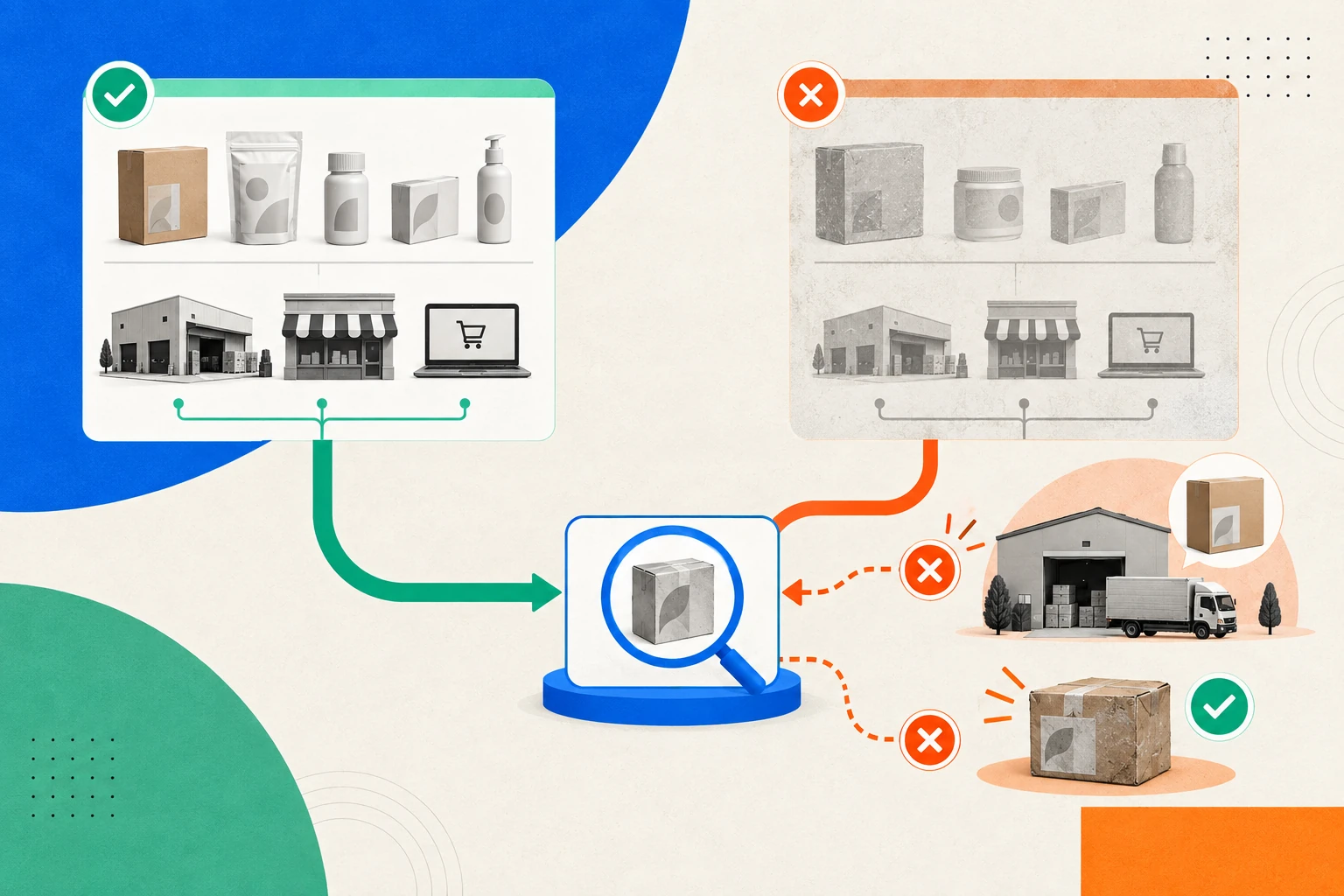
That’s the direct answer to “will this flag our own listings.” A monitoring system checked against your own current approved-image and authorised-seller baseline has something real to compare a listing to. One running only on a generic reference photo doesn’t, and treats every reseller, genuine or not, the same way.
Truviss is built around that baseline. It scans 500+ data points across 5,000+ marketplaces, but the count only becomes useful once it has your own approved sellers and product images to check against, not before.
Where brands still get this wrong
Treating the headline number, data points or marketplaces covered, as the buying criterion is the most common mistake. The question that actually predicts whether a vendor works for you is what happens between a flag and a decision, not how many signals feed the flag.
A close second is assuming automation removes the need for any human review. Human review is exactly what keeps a genuine reseller from receiving a takedown notice it doesn’t deserve, and what keeps a well-disguised counterfeit from slipping past an automated match.
The third is letting the approved-image and authorised-seller baseline go stale. A system checking listings against last year’s packaging or a distributor list nobody updated will misjudge both directions at once, missing real infringement and flagging real partners.
The number was never the point
A decade ago, brand protection meant someone manually searching for your logo turning up somewhere it shouldn’t. Today it means comparing hundreds of signals per listing across thousands of marketplaces automatically. What hasn’t changed is the decision at the end of it: is this listing something a brand should have someone act on.
500+ data points and 5,000+ marketplaces describe the scale of what gets checked, not the strength of the answer. Book a demo with Acviss to see that scale turn into flags your team can actually act on, not just a number on a slide.
See how a flag becomes an evidence-backed takedown
Acviss scans 500+ data points across 5,000+ marketplaces, but the count only works once it has your approved sellers and product images to check against. See how that baseline gets built, then book a demo to see it applied to your own listings.
Related reading
It’s Not the Fake Giveaway That Steals From You. It’s the Checkout.
Read related Acviss guidance.
Product Authentication Technology: What Actually Works in Practice
Read related Acviss guidance.