
Why Your ERP Isn’t Enough IT for Manufacturing Traceability
 Mithileshkumar R NaikAug 15, 20263 min read
- ERPs and MES systems track batches well but can’t tell you where one specific unit is once it leaves the factory.
- That visibility gap is where recalls become larger than necessary and counterfeit or diverted units go undetected.
- Event-based traceability layers real unit-level scan data on top of existing ERP records rather than replacing them.
- The real question isn’t whether your ERP has traceability, but whether it stops at the batch or extends to the unit.
Ask most manufacturing IT teams if they have traceability, and the answer is yes: the ERP tracks batches, the MES logs production runs, and there’s a paper trail for every lot that leaves the factory. Ask them if they can tell you where one specific unit is right now, and the answer usually changes.
That gap between batch-level records inside an ERP and real, unit-level visibility is exactly where counterfeit and diversion problems start.
What ERPs and MES Systems Actually Track
Enterprise systems like SAP and Microsoft Dynamics are built to manage production, inventory, and internal workflow efficiently. They’re very good at that. What they’re not built for is tracking an individual product unit once it leaves the factory gate and enters a distribution network the company doesn’t fully control.
An ERP knows a batch of 10,000 units shipped to a distributor. It does not know which of those 10,000 units ended up on a specific retail shelf, which were diverted to an unauthorised channel, or which were counterfeited somewhere in between. That’s not a failure of the ERP. It’s simply outside what a batch-level system is designed to answer, which is why batch-level traceability and unit-level traceability solve genuinely different problems.

See Origin in action
See how Origin extends your ERP’s batch data into real unit-level traceability.
Explore OriginWhere the Visibility Gap Actually Costs Money
Manufacturing IT teams feel this gap in specific, recurring situations:
- Recalls: without unit-level data, a quality issue in one production run forces a recall of the entire batch, not just the affected units.
- Distributor disputes: when a distributor claims short shipment or a customer disputes a shortfall, the ERP’s batch record can’t settle it at the unit level.
- Counterfeit entry points: if genuine and counterfeit product both carry the same batch-level paperwork, an ERP has no way to flag the difference.
Each of these is an ERP integration problem in the sense that the ERP holds part of the picture, but not the whole one.
Event-Based Traceability Closes the Gap
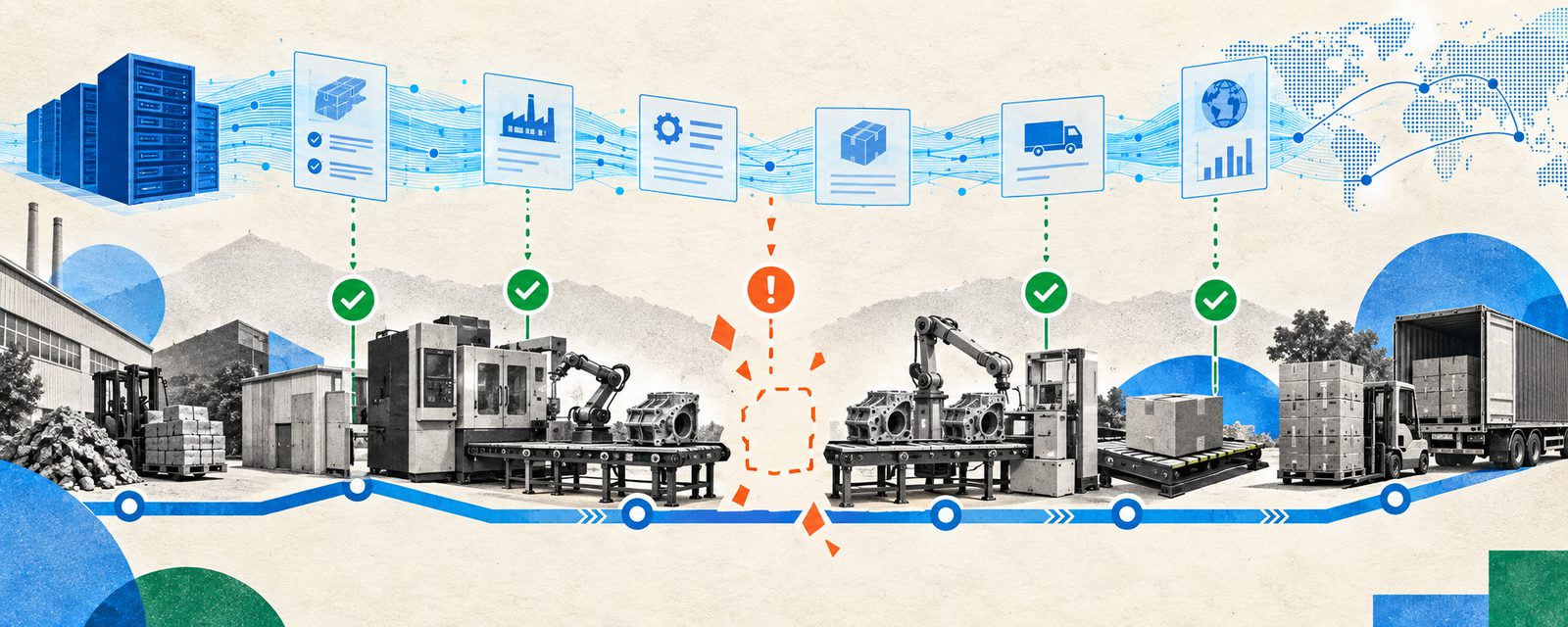
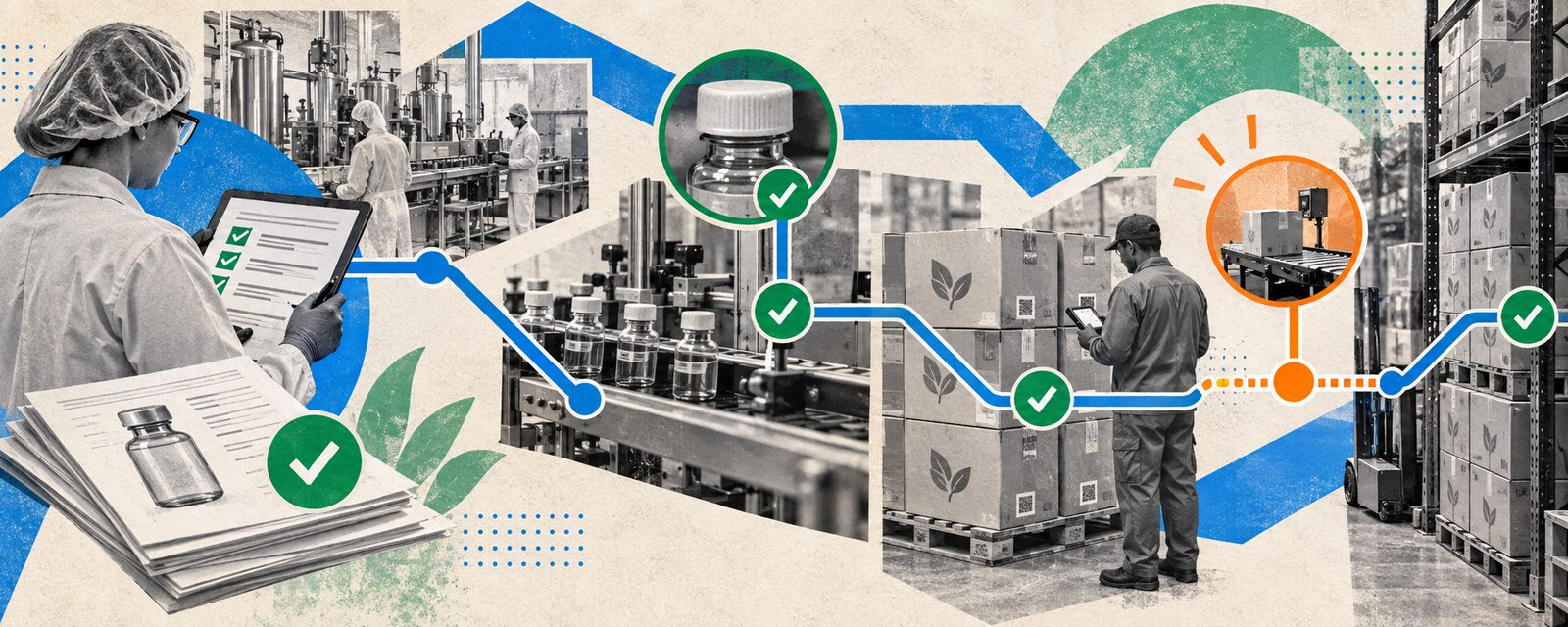
The fix isn’t replacing the ERP. It’s layering event-based traceability on top of it: a system that captures physical events (a unit scanned at packaging, at a distributor’s warehouse, at point of sale) rather than relying purely on the document trail an ERP generates. Origin does this by integrating directly with SAP and Microsoft Dynamics, so the ERP’s production and inventory data connects to real, unit-level scan events instead of stopping at the factory gate.
This is also the direction regulators are pushing. Frameworks discussed by bodies like the OECD on illicit trade increasingly treat document-based compliance as necessary but not sufficient, favouring traceability systems that can verify a physical event actually happened.
What This Means for Manufacturing IT Decisions
The question worth asking isn’t whether your ERP has traceability. Most already claim some form of it. The real question is whether that traceability stops at the batch, or extends to the individual unit once it leaves your direct control. If it stops at the batch, distributors, retailers, and end customers are operating on trust rather than verified data.
Book a demo to see how Origin extends your existing ERP’s batch data into real, unit-level traceability across your distribution network.

Close the gap your ERP can’t see
Book a free demo and see how Origin connects SAP or Dynamics data to unit-level scan events.
Book a Free DemoRelated reading
How to Track Transport Goods Across Your Supply Chain
If you manufacture or distribute physical goods, you already know the moment a shipment leaves your factory gate is also the moment your vis

Common Packaging Line Problems and How to Fix Them
Common packaging line problems rarely begin as dramatic failures. They often start as a printer that pauses for a fraction of a second, a la