
- What “IT solutions for manufacturing” usually means — and what it misses
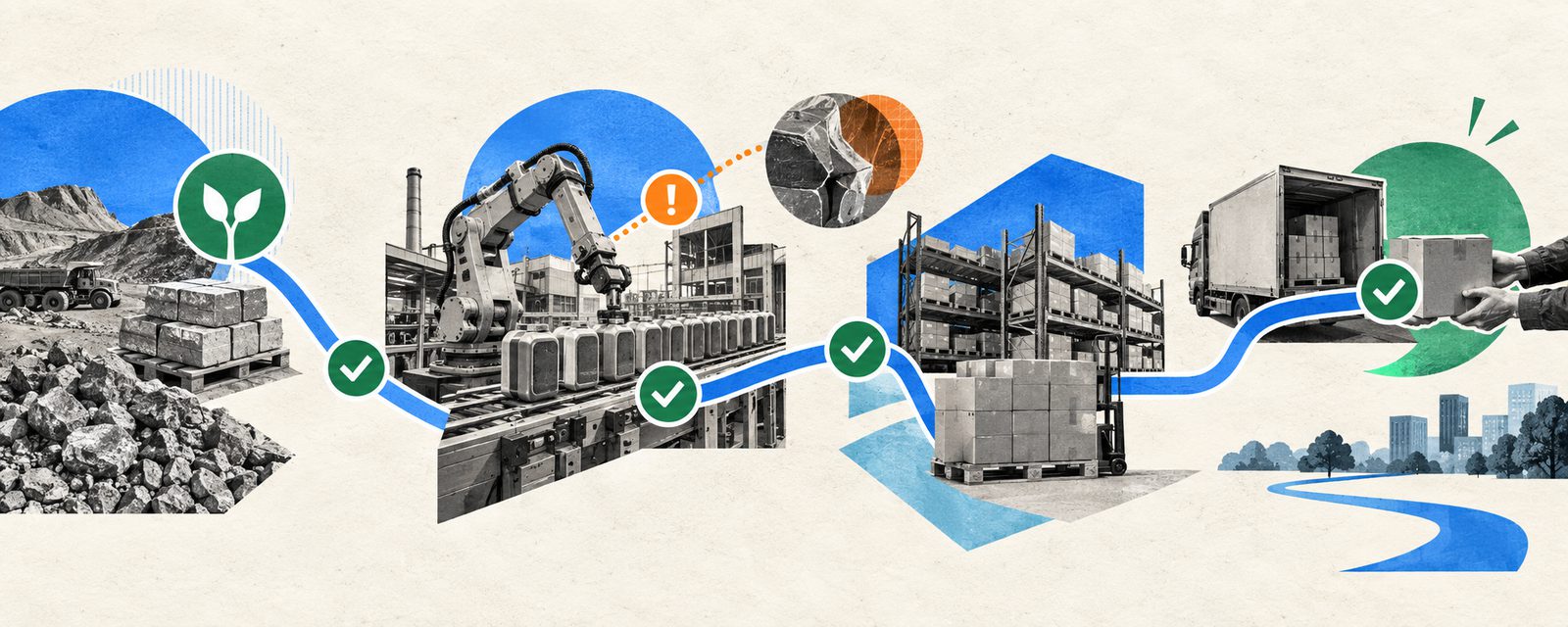
- The blind spot: what happens after the product leaves the factory
- The IT layer manufacturers actually need for this: authentication
- Tracking the product, not just the process: supply chain traceability
- Physical checks that don’t need a smartphone
- The IT solution nobody budgets for: policing your brand online
- Where warranty and loyalty data fit into this stack
- Why this belongs in the same conversation as ERP and MES
- How to start
- The takeaway
IT Solutions for Manufacturing: The Layer ERP Skips
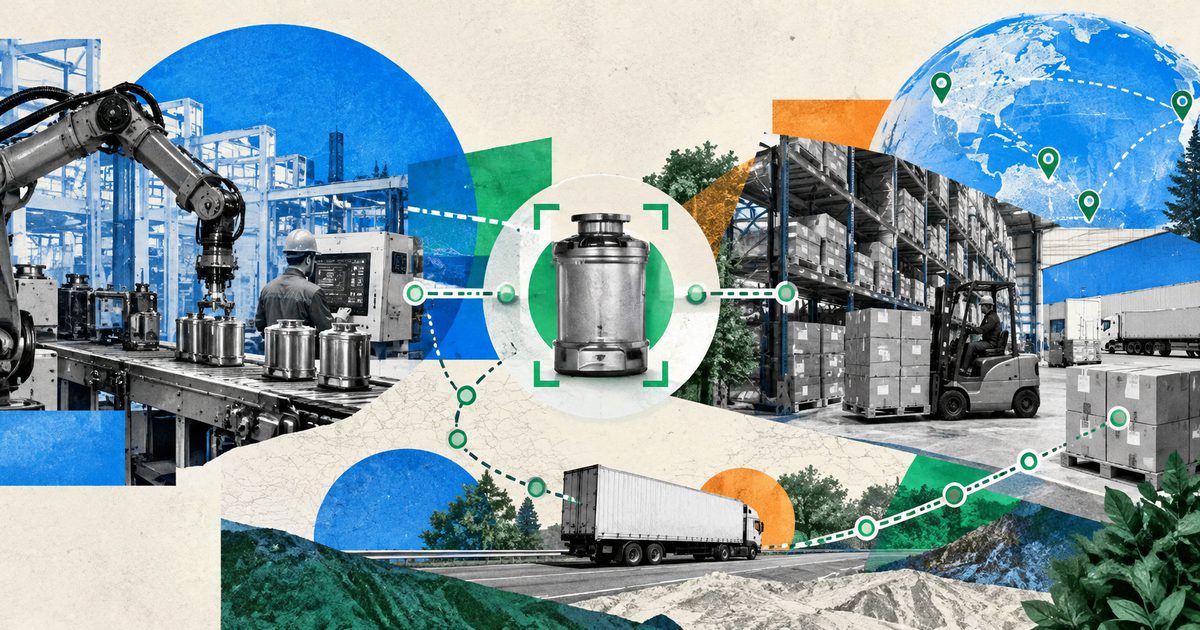
- “IT solutions for manufacturing industry” guides usually mean ERP, MES, IIoT and cloud – none of them check whether a shipped unit is still genuine once it leaves the factory.
- Counterfeiting, grey-market diversion and online impersonation all happen downstream of production, invisible to standard manufacturing IT.
- Acviss’s Certify (per-unit authentication), Origin (supply chain traceability) and Truviss (online brand protection) close that gap as a single platform, not three separate vendors.
- A practical rollout starts with unit-level authentication on the highest-risk SKUs, then extends to traceability and online monitoring.
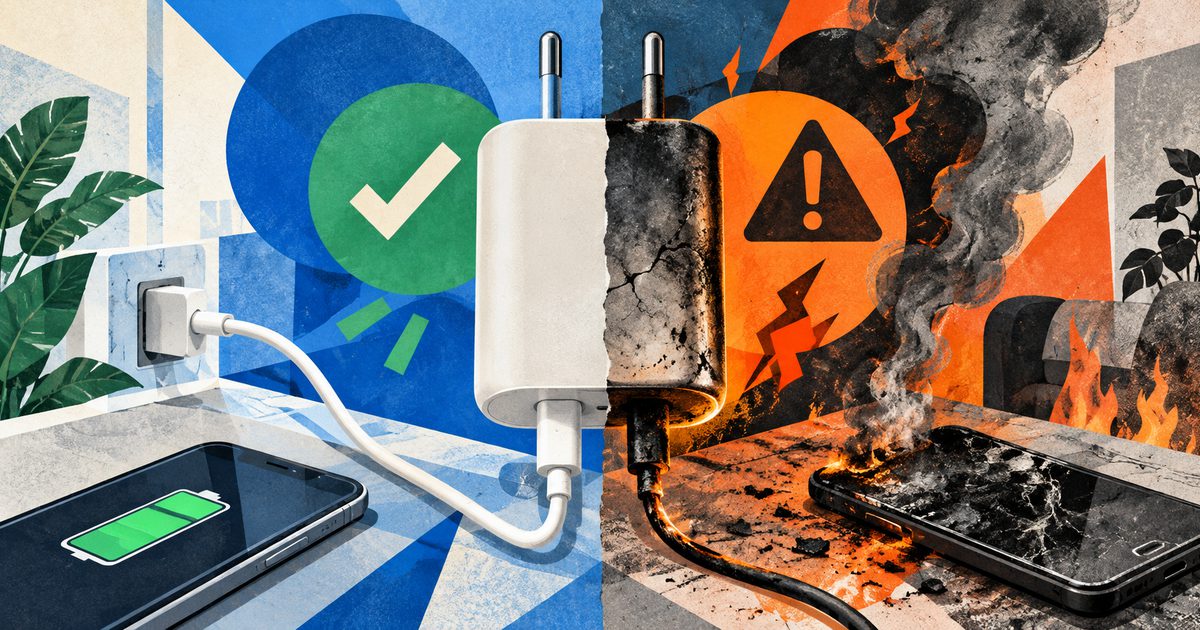
A manufacturer finishes rolling out a new ERP system. Production scheduling is tighter, inventory counts are finally accurate, and the plant floor dashboard shows real-time output for the firsttime. Then a distributor calls: a batch of product just turned up in a warehouse it was nevershipped to. A few weeks later, a customer files a warranty claim on a unit the company never manufactured at all. The IT investment covered every process inside the factory walls and missed everything that happens to the product once it leaves them. That gap is exactly what our complete guide to product authentication is built to close.
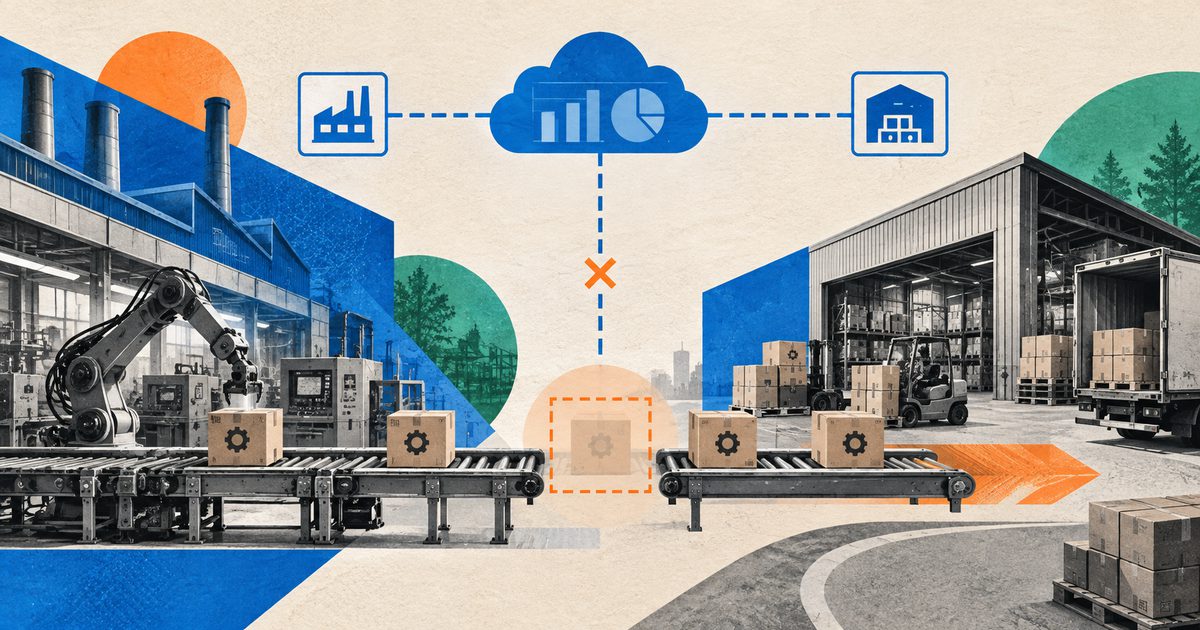
This is the gap in most “IT solutions for manufacturing industry” conversations. Search the phraseand you’ll get a stack of guides pointing at ERP, MES, industrial IoT, cloud platforms and predictive maintenance — all genuinely useful, all focused on running the factory better. None ofthem answer a different question manufacturers are increasingly forced to ask: once a product leaves the line, how do you know it’s still the same product by the time it reaches a customer?The scale of India’s counterfeit marketshows why that question isn’t hypothetical for most manufacturers anymore.
What “IT solutions for manufacturing” usually means — and what it misses
ERP systems connect finance, inventory and procurement. That procurement layer is exactly where counterfeit risk often enters first — see where counterfeit risk enters your procure-to-pay cycle. MES tracks work orders and production data on the shop floor. Industrial IoT feeds sensor data back for predictive maintenance. Cloud platforms centralise all of it, and analytics dashboards turn it into decisions. Every one ofthese solves for efficiency, cost and uptime inside the four walls of production — the same territory as lean manufacturing principles,just digitised — none of it distinguishes a counterfeit unit from a genuine one sold outside its intended channel, a difference explained in our piece on counterfeit vs grey market vs unauthorized sale.
None of them are built to answer whether the unit that just shipped is genuine, whether it’s beendiverted into a market it was never meant for, or whether someone is already selling a convincing copy of it online under the brand’s name. That’s not a gap in any individual system — it’s simply outside what production IT was designed to do. Product authentication technology fills exactly that gap — see what actually works in product authentication technology.
The blind spot: what happens after the product leaves the factory
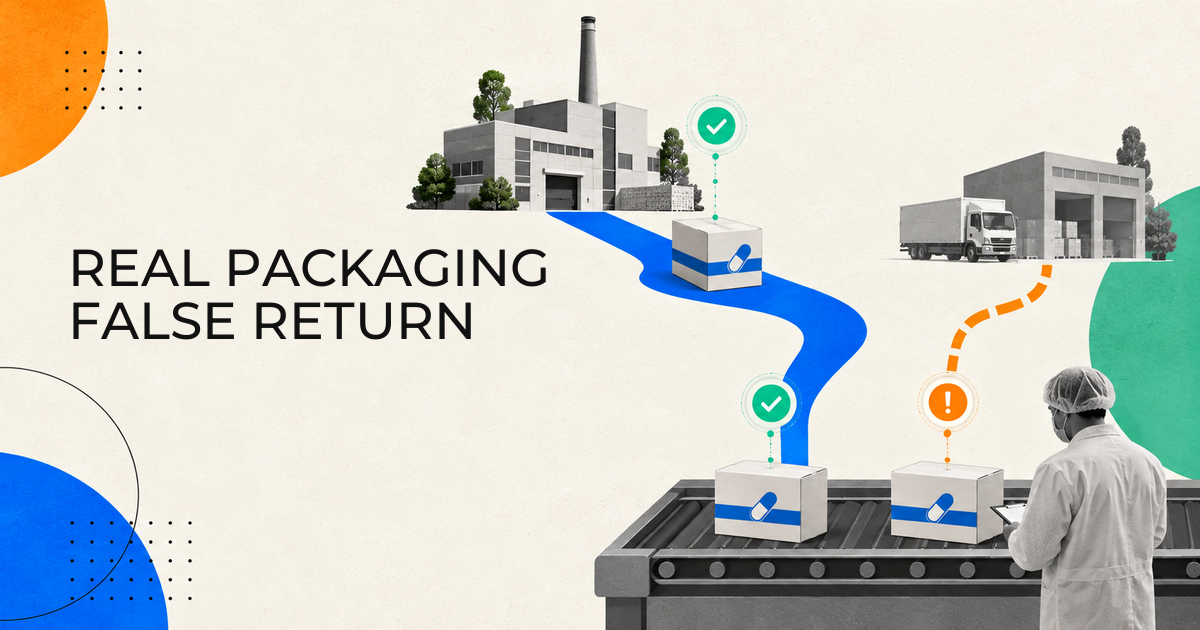
Counterfeiting, grey-market diversion and online impersonation all happen downstream ofproduction, in a part of the supply chain that ERP and MES were never built to see. A batch that’sserialised correctly in the MES can still be counterfeited the moment a bad actor reverse-engineersthe packaging. Tracking that batch physically in transit is a separate problem, covered in tracking transport goods across the supply chain. A distributor can quietly reroute genuine stock into an unauthorised market andnothing in the production system will flag it, because the product itself hasn’t changed — onlywhere it ended up. Some industries carry far more of this exposure than others — agrochemicals among the worst, as our piece on India’s fake pesticide problem shows. Printer consumables are another underrated example, covered in non-genuine printer inks. Enforcement crackdowns on fake agrochemicals more broadly are covered in India’s crackdown on fake agrochemicals.
By the time a brand hears about it — a warranty rejection, a customer complaint, a marketplace listing that looks a little too convincing — the fake has usually already changed hands. This isthe layer that sits between “we made a good product” and “the customer got a good product,” andalmost none of the standard manufacturing IT stack touches it. The ERP-specific version of that gap is covered in why an ERP alone isn’t real supply chain traceability.
The IT layer manufacturers actually need for this: authentication
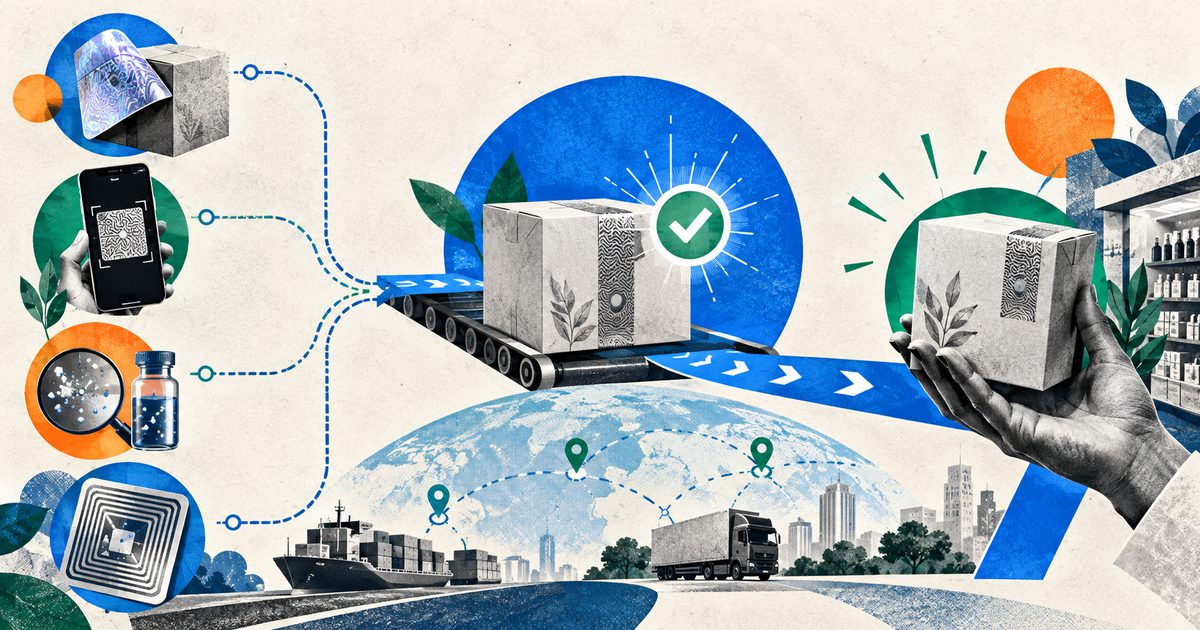
The starting point is giving every individual unit a digital identity that can’t be cloned.Acviss’s Certify does this with a patented 2D code assigned per unit, verifiable by a customer,distributor or field team over WhatsApp or a web scan — no app download required. That single scaneither confirms the product is genuine or it doesn’t, and every scan generates data: what gotchecked, where, and how often a fake shows up in a particular region. It’s the practical answer towhat forensic authentication looks like atconsumer scale, rather than in a lab.
This turns authentication from a guess into a lookup. It’s the same job an ERP does for inventory counts, applied instead to the question of whether a specific unit is real.

See Certify in action
See how Certify gives every unit a non-clonable digital identity, verifiable by a customer or distributor in one scan.
Explore Certify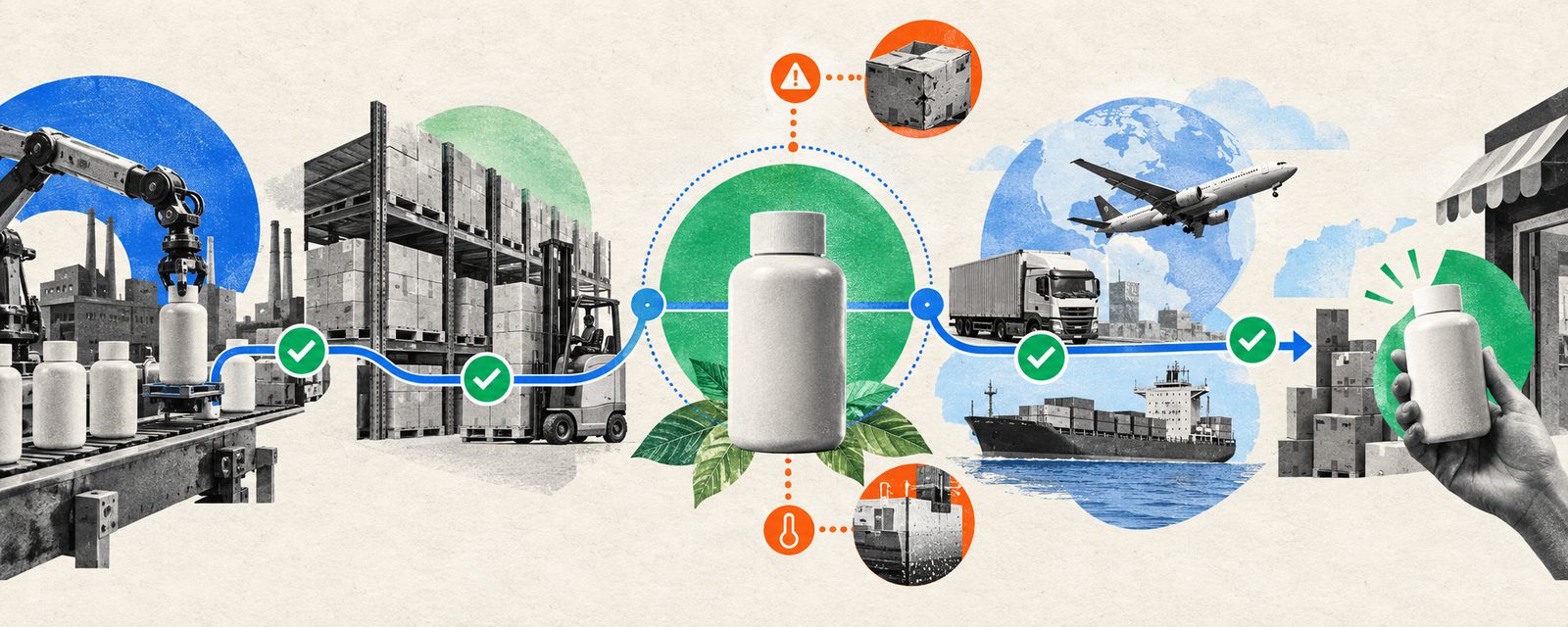
Tracking the product, not just the process: supply chain traceability
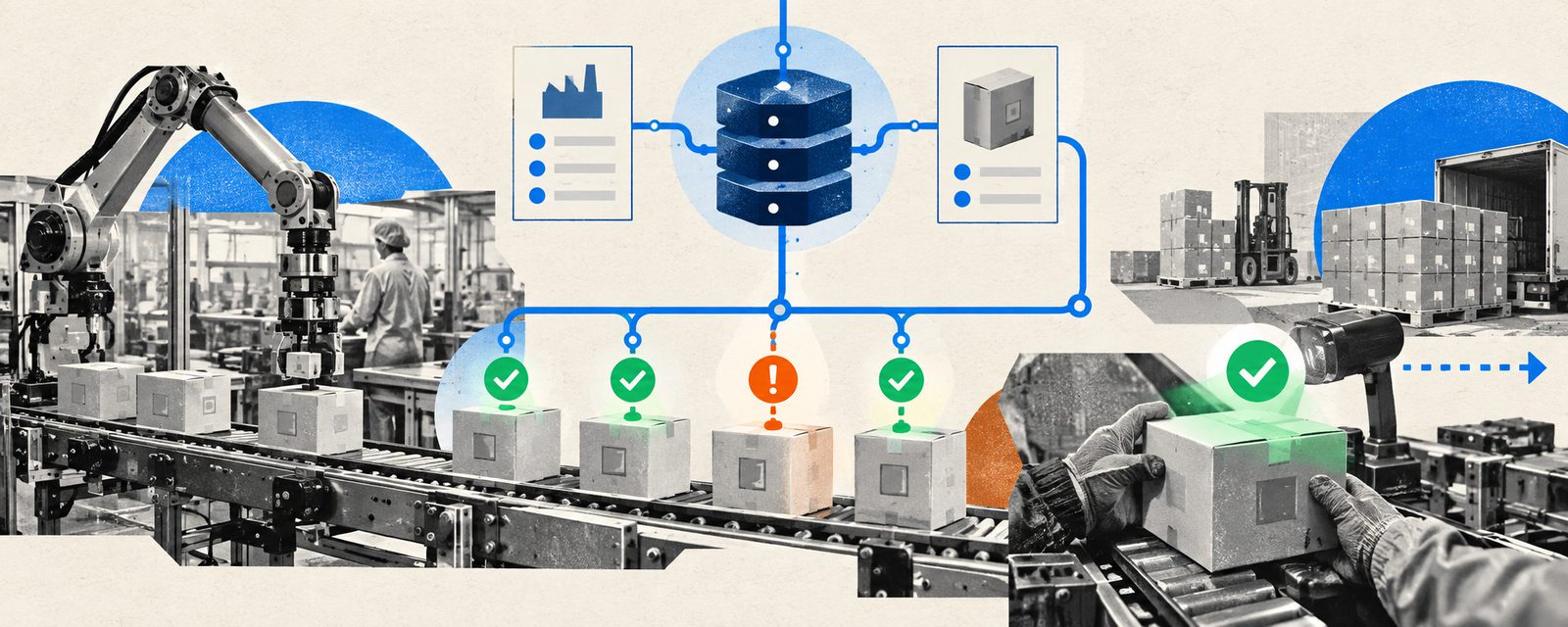
Authentication answers “is this unit real.” Traceability answers “where has this unit been.”Acviss’s Origin extends visibility past the factory gate using blockchain records, computer vision and IoT data, integrated with the same ERP systems (SAP, Microsoft Dynamics 365) already running production. That means a brand can see a product’s path from manufacturing through distribution to the point of sale, geofence markets it shouldn’t be entering, and flag diversion before it becomes a pattern of warranty disputes — exactly the scenario our piece on grey market diversion as a distributor problem walks through.
This is closer to what “IT solutions for manufacturing” should mean once a company has more thanone distribution tier: the same rigour applied to production data extended to everything thathappens after the product ships.
Physical checks that don’t need a smartphone
Not every checkpoint in a supply chain has a smartphone or a data connection handy — a warehouse worker doing a spot check, a retail staff member at point of sale, a customs inspector. For thosesituations, Acviss offers three physical-layer options depending on what the risk actually callsfor: Uniqolabel, a patented holographic label that lets distribution and retail staff confirm authenticity visually, without any device at all; Axion Label, AI-generated labels with encrypted micro-textures for products where a standard hologram isn’t secure enough; and PhantomCode, which embeds an invisible authentication mark directly into the packaging artwork at thepre-press stage, with no visible marker and no packaging redesign required.
Which one fits depends on the product and the point in the chain being protected, not theindustry — a pharma company and an automotive parts manufacturer might land on the same label technology for different reasons.
The IT solution nobody budgets for: policing your brand online
Manufacturing IT budgets rarely include a line item for monitoring Amazon listings, Instagram profiles or lookalike domains, but for most brands that’s now a bigger counterfeit exposure thananything happening on a physical shelf. Acviss’s Truviss scans over 5,000 online marketplaces,social platforms, app stores and domain registries, checking more than 500 data points per listingto catch fake product pages, cloned apps and impersonator accounts, then handles takedowns with ahuman-review option before anything is removed. Manufacturers exporting into markets covered by theOECD/EUIPO’s work on trade in counterfeit goodsface this exposure regardless of how tight their factory-floor IT is. This is what anIP protection platform actually does inpractice, applied to a manufacturer’s own brand rather than a law firm’s client list.
This is arguably the most overlooked “IT solution for manufacturing” in the standard conversation,because it isn’t manufacturing-adjacent at all on paper — until a counterfeit listing starts outranking the real product page.
Where warranty and loyalty data fit into this stack
Once a product’s identity is verifiable, that verification can do more than stop fakes. Acviss’sAssist checks a product’s authenticity at the moment a warranty claim is filed, closing off acommon way fraudulent claims get through on duplicate or counterfeit units (the fraud pattern covered in our complete guide to digital warranty management). Separately, Acviss’sBonus turns the same authentication scan into a loyalty touchpoint (see our complete guide to loyalty program ROI for the ROI math behind that) — a scan-to-earn program runthrough a brand-owned app, giving manufacturers a direct line to end consumers they’d otherwise only reach through distributors.
Neither is a security feature on its own. Both depend on the same underlying authentication layeralready doing the harder job of confirming what’s real.
Why this belongs in the same conversation as ERP and MES
Most vendors in this space specialise in one layer: a labelling company sells labels, a traceability platform sells traceability software, an online brand-protection tool watches marketplaces. Agrochemical QR-code regulation debates are one specific instance of this fragmented vendor landscape, examined in Dava QR codes and pesticide regulation. A manufacturer trying to cover all three ends up managing three vendor relationships,three dashboards and three sets of data that don’t talk to each other — exactly the ERP traceability gap our guide on why ERP isn’t enough for manufacturing traceability breaks down.
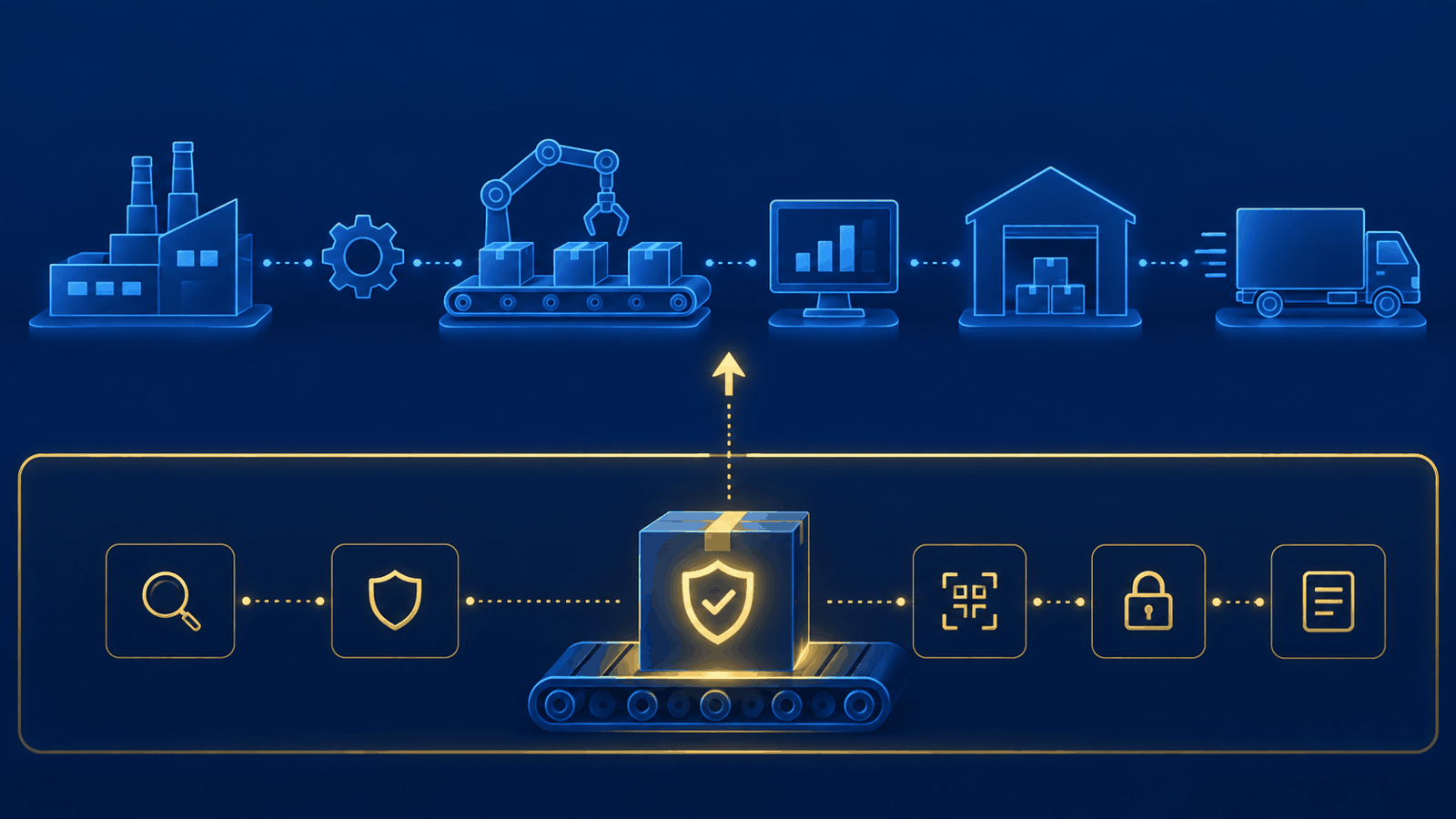
Acviss’s structure — unit authentication, supply chain traceability and online enforcement underone platform — means a manufacturer isn’t stitching together point solutions to get end-to-endcoverage. That’s the same logic that made consolidating finance, inventory and production onto oneERP worth doing in the first place.
How to start
This doesn’t need to be an all-at-once rollout. A practical starting point — and a pricing model to budget against, covered in our piece on pricing authentication as a service:
- Identify the highest-risk SKUs first — the products most frequently counterfeited, diverted, orclaimed against under warranty.
- Start with unit-level authentication on those SKUs before extending to the full supply chain.
- Add traceability once authentication data shows where the actual risk is concentrated(which markets, which distributors, which time of year).
- Layer in online monitoring in parallel — it doesn’t depend on the physical rollout beingfinished, and impersonation on marketplaces can start well before a counterfeit physical unitever appears.
The takeaway
Production IT and protection IT are two different stacks solving two different problems. ERP, MESand IIoT tell a manufacturer how well they’re making a product. Authentication, traceability andonline brand protection tell them what happens to it afterwards — and that second stack is the onemost “IT solutions for manufacturing” guides never mention, right up until a counterfeit shows upin a customer’s hands.
Built for brands and manufacturers. Book a demo to see whereAcviss’s authentication, traceability and online enforcement layer fits into your current ITstack.

ERP tells you what you made. Certify tells you what’s real.
Book a free demo and see where Acviss’s authentication, traceability and online enforcement layer fits into your current IT stack.
Book a Free Demo
Related reading
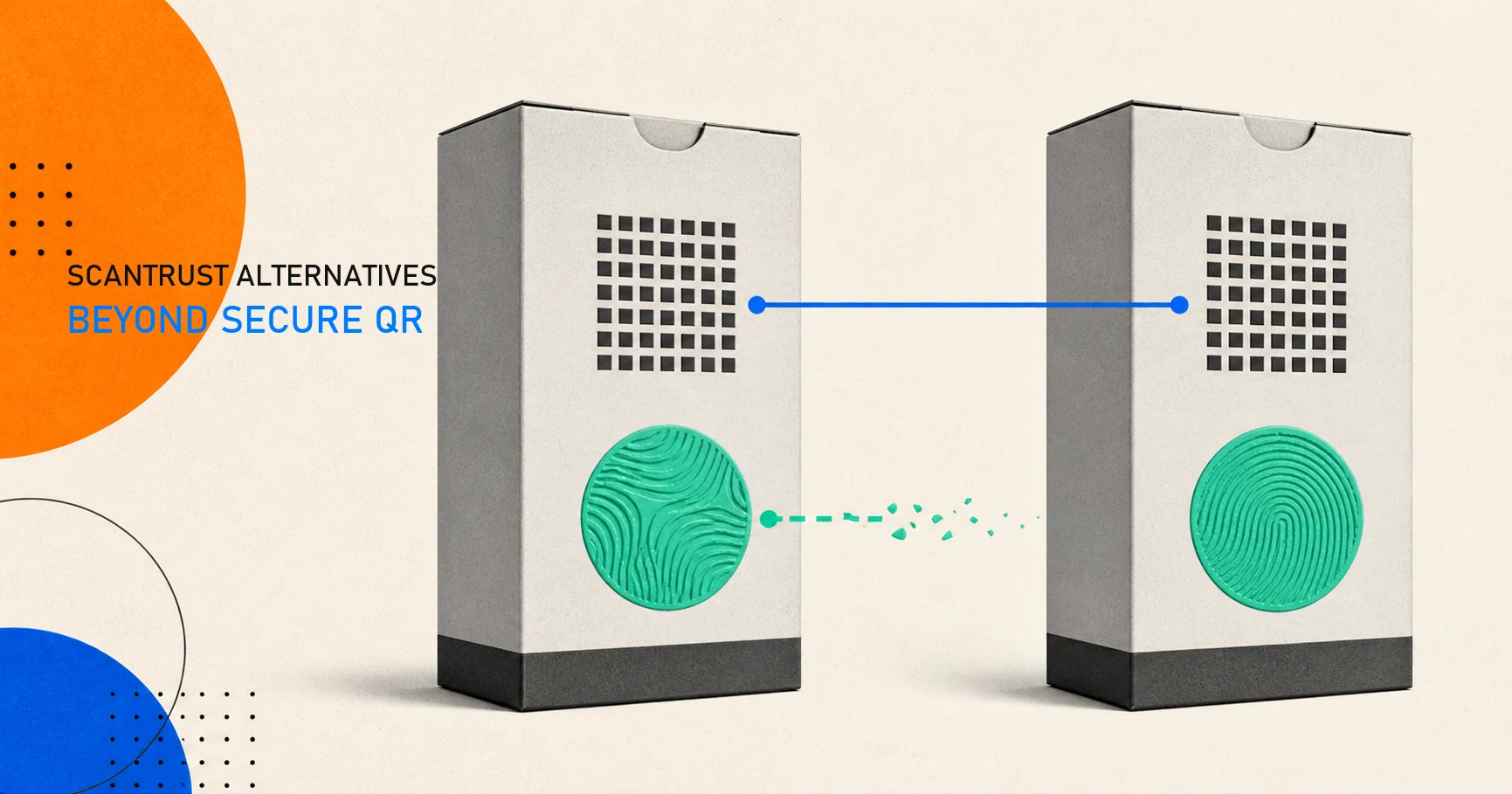
Best Scantrust Alternatives for Secure QR Authentication (2026)
In this article Why brands search for Scantrust alternatives What Scantrust does, and where secure QR codes leave a gap

How Kitply Doubled Sales Implementing Product Authentication
Kitply Industries is one of the most recognized names in Indian plywood. Decades of market presence, a reputation built on quality, and dist