What Is Online Brand Protection?
Understanding Online Brand Protection
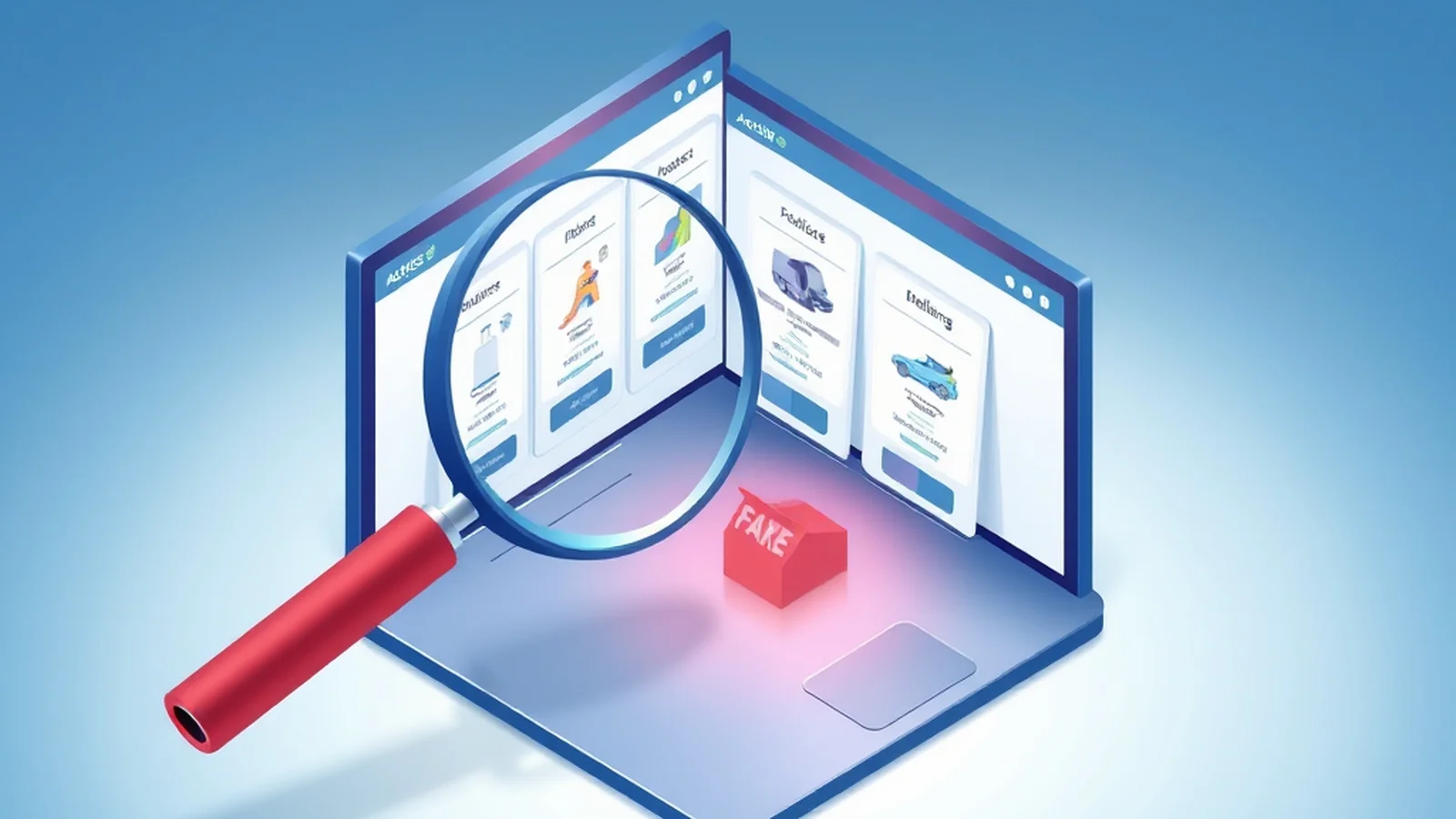
Unlike physical anti-counterfeiting, which secures the product itself, online brand protection addresses online brand abuse that happens entirely outside the supply chain, a seller listing a counterfeit product on a marketplace, a fake website cloned to look like the brand's own, or a social media account impersonating the company to run scams.
Because marketplaces and platforms host millions of listings, manual monitoring cannot keep pace. Effective online brand protection relies on automated scanning that continuously checks new listings against the brand's registered assets, flagging violations for review before they gain traction with customers.
Key Components of Online Brand Protection
Why Online Brand Protection Matters
A single unaddressed fake listing can sit live for months, quietly diverting sales and exposing customers to substandard or unsafe products, all while carrying the brand's name and imagery. Left unchecked, this damages customer trust in a way that is difficult to trace back to a specific cause, since the customer often believes they bought from the real brand.
- Detects counterfeit listings before they scale
- Protects customers from fake and unsafe products sold under the brand's name
- Removes cloned websites used for phishing or scams
- Preserves search and marketplace reputation
- Provides evidence for platform takedown requests and legal action
- Reduces revenue loss from unauthorised online sellers
How Acviss Supports Online Brand Protection
Truviss by Acviss scans over 5,000 online marketplaces and checks more than 500 data points per listing to identify counterfeit and unauthorised sales, giving brands continuous coverage without manual monitoring.
Truviss works alongside product authentication so brands get a complete picture, confirming whether a flagged online listing is selling a genuine diverted product or an outright counterfeit listing.
Monitor your brand across the entire internet
See how Truviss detects and removes fake listings, cloned sites and impersonation.
Book a Free DemoFrequently Asked Questions
E-commerce marketplaces, search engines, social media platforms and standalone websites, anywhere a brand's name, logo or product images can be misused.
Automated scanning compares new listings against the brand's registered assets and known genuine sellers, flagging matches that indicate unauthorised or counterfeit use.
The brand or its monitoring platform submits a takedown request to the marketplace or platform, following that platform's specific reporting process until the listing is removed.
It can flag unauthorised sellers, but distinguishing a genuine diverted product from an outright counterfeit usually requires combining online monitoring with supply chain-level product authentication.
This depends on the platform's own takedown process, but continuous monitoring means violations are caught and reported far sooner than relying on customer complaints or manual searches.