
In this article
Recent Posts
Grey Market Diversion Is a Distributor Problem Too; Here’s Why
 Mithileshkumar R NaikAug 15, 20265 min read
TL;DR
- Grey market diversion is a distributor-margin problem before it’s a brand-image problem: a diverted unit undercuts the authorized distributor in that territory first, long before any consumer notices.
- Framing diversion as reputational risk leads to reactive enforcement (marketplace takedowns, quarterly discount audits) that never touches the distributor already losing margin today.
- Product-level traceability, combining covert and overt markers with a live distribution record, pinpoints exactly which unit, which batch, and which distributor a leak traces back to.
- FMCG brands should track territory-level leakage rate, time-to-detection, and distributor margin variance, not just marketplace takedown counts.
Ask a brand manager who owns grey market diversion and the answer is almost always “marketing” or “legal.” Ask a distributor who is losing margin to the same problem, and they will tell you it started long before any brand-image conversation. Diversion is a distributor problem first. It shows up as eroded margins, cannibalized territory, and broken trust between the brand and the channel that carries it, long before a single consumer notices anything is wrong. Grey market diversion is a form of grey market control failure, and it costs distributors their margin long before it reaches the consumer’s radar.Most brands still frame grey market diversion as reputational risk: “our product at a discount looks bad.” That framing misses where the damage actually lands first, and it misdirects the fix. If diversion is a brand-image problem, the answer is communications. If it is a distributor-margin problem, the answer is supply chain visibility. Only one of those actually stops the bleeding.
Where the Margin Actually Leaks
Every diverted unit that reaches a consumer outside its authorized territory did so by first passing through a distributor who was supposed to sell it inside that territory. The diversion event is a channel event before it is a brand event.Consider a mid-sized FMCG distributor covering three districts. Their volume commitments to the brand are based on projected demand in those districts. When a neighboring distributor’s stock leaks across the border and undercuts local pricing by 15-20%, the local distributor does not lose brand equity. They lose sell-through. Their retailers start asking for the same discount. Their margin on every unit they move compresses to match the diverted price, or their volume drops because customers wait for the cheaper stock to reappear.Run this across a multi-tier network with hundreds of stockists and sub-stockists, and the margin erosion compounds. A brand that measures diversion only by “how many discounted listings did we find online” is looking at the symptom that surfaces last, not the cost that accrues first and hits hardest at the distributor level. FICCI CASCADE has repeatedly flagged grey market and counterfeit leakage in India’s FMCG distribution networks as a channel-economics issue as much as a brand-image one, with authorized distributors absorbing the earliest and largest share of the financial impact.
Why the Brand-Image Framing Fails Distributors
When a brand treats diversion as a communications or enforcement problem, the response is usually reactive: monitor marketplaces, issue takedown notices, run a discount audit once a quarter. None of that touches the distributor who is currently underwater on margin because a competitor’s overstock landed in their territory last month.Distributors do not need a brand-image narrative. They need to know, in near real time, when product assigned to another territory shows up in theirs, and they need the brand to act on that signal before the next order cycle. Every quarter that a brand treats this as a reputational nuisance rather than a channel-economics problem, distributor trust in the brand’s channel management erodes a little further, and the most reliable distributors are the ones most likely to start hedging by reducing their own commitment to the brand.

See Origin in action
See how Origin’s covert+overt markers pinpoint exactly which unit left its authorized territory, and when.
The Fix Is Product-Level Visibility, Not More Enforcement
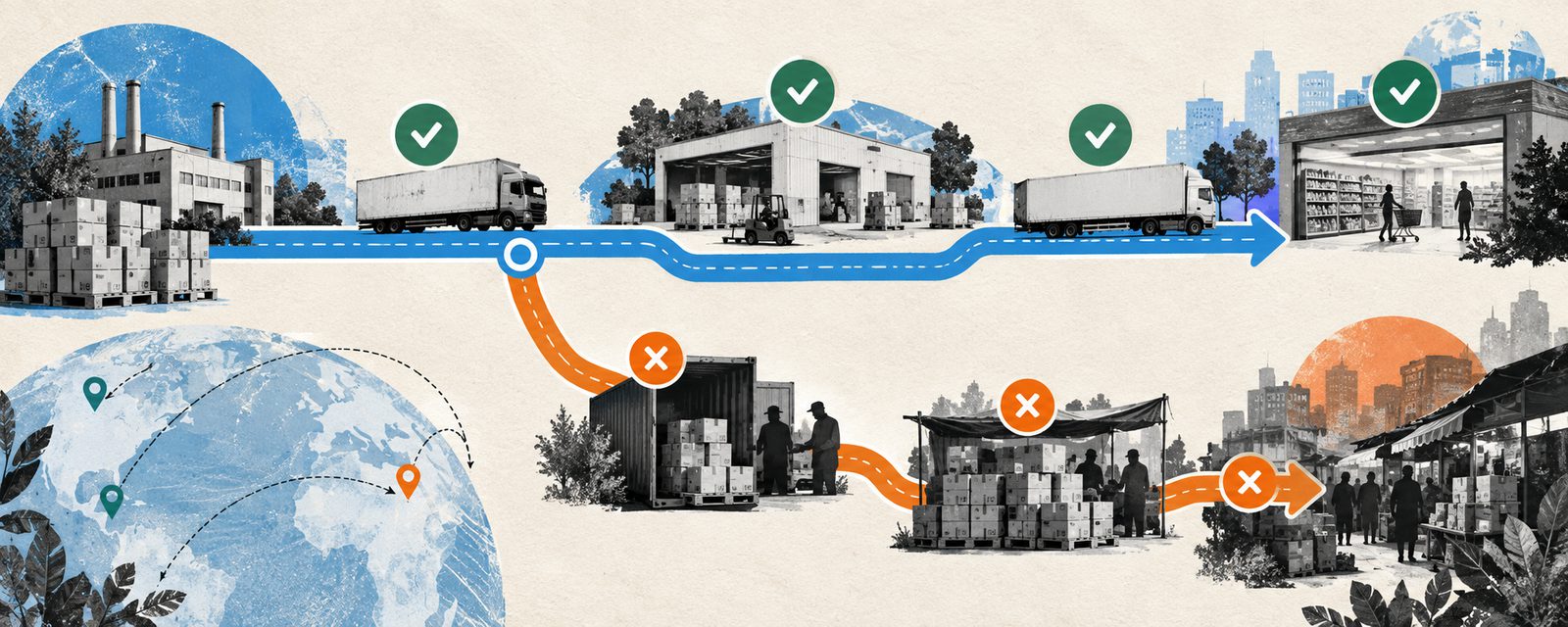
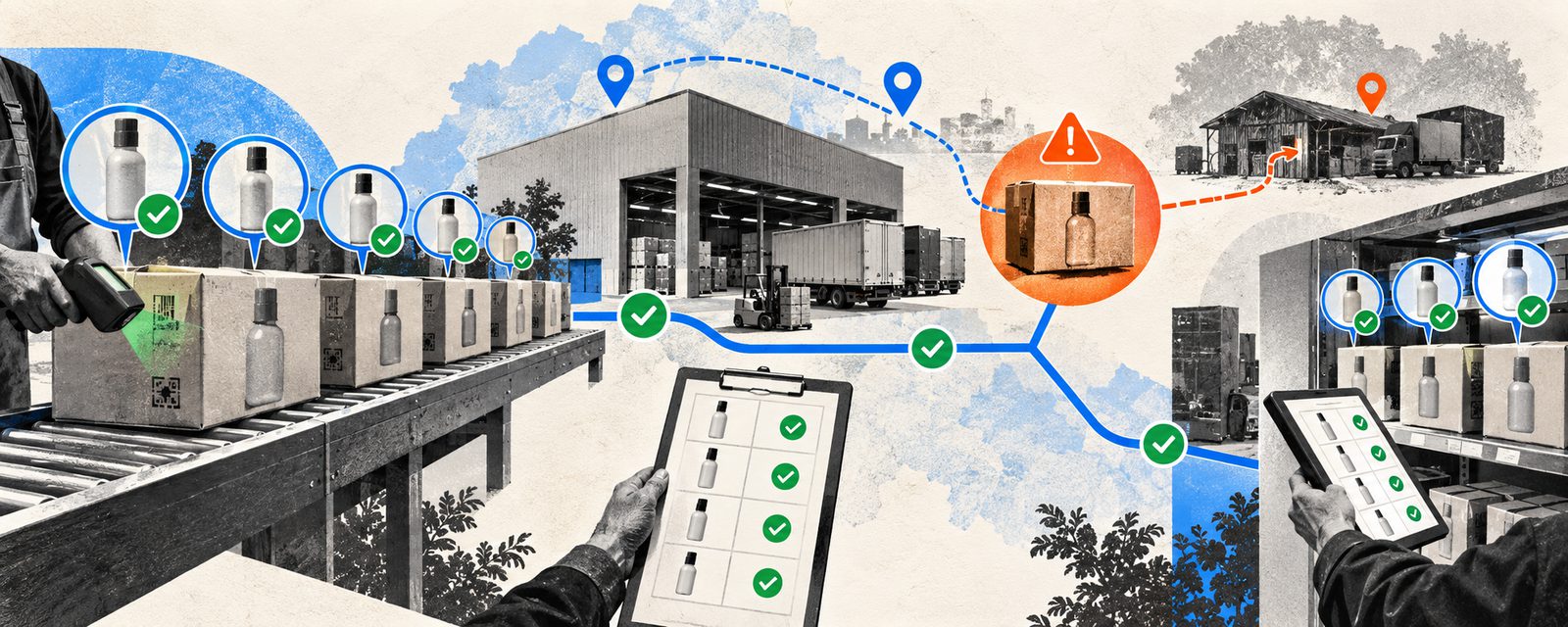
Stopping diversion at the distributor-margin level requires knowing exactly which unit went where, not just that diversion is happening somewhere in the network. That is the difference between a covert/overt marker model and a pure enforcement model.An Origin-style traceability layer assigns each product unit or case a unique, non-clonable digital identity at the point of manufacture, combining covert markers (invisible to the naked eye, used for forensic verification) with overt markers (a visible QR or 2D code any distributor or field team can scan) against a live distribution record. Every handoff, from factory to regional warehouse to distributor to retailer, gets logged. When that same unit surfaces in a territory it was never assigned to, the system flags the exact batch, the exact handoff point, and the exact distributor who received the original shipment.This is what turns diversion from an abstract brand-risk conversation into an actionable distributor-management one. Instead of telling a regional sales head “there’s some grey market activity in the north zone,” the traceability data tells them which specific stockist’s inventory is leaking, when it left the authorized channel, and how much volume is involved. That is a conversation a brand can act on before the next quarter’s margin numbers come in, not after.
What This Means for FMCG Supply Chain and Sales Teams
For FMCG brand managers and supply chain heads, the practical shift is this: stop measuring diversion success by marketplace takedown counts, and start measuring it by distributor margin protection. A distributor-first view of grey market diversion changes what gets tracked:
- Territory-level leakage rate: what percentage of a distributor’s allocated stock is later scanned or sold outside their assigned territory.
- Time-to-detection: how long between a unit leaving its authorized channel and the brand identifying the leak, not when a consumer complaint surfaces.
- Distributor margin variance: tracking margin compression in territories with known diversion inflow, which is a leading indicator of channel conflict long before distributors formally complain.
Brands that shift to this framing find that the same product authentication infrastructure used to fight counterfeits doubles as the distributor-protection layer, because both problems trace back to the same question: where did this specific unit actually go, and did it stay inside its authorized channel.
Protect the Channel That Protects Your Brand
Grey market diversion costs a brand’s reputation eventually, but it costs a distributor’s margin immediately. Fixing it at the source, with product-level traceability that pinpoints exactly which unit left its authorized path and where, protects the distributors who are the actual frontline of your revenue.See how Origin protects distributor margins with real-time supply chain visibility. Book a demo.

Protect the distributors who protect your revenue
Book a free demo and see how Origin gives you real-time, unit-level visibility into where product actually goes.
Related reading

How to Reserve and Register a Trademark for Your Brand
A brand name isn’t protected just because you’re using it. Until it’s registered as a trademark, anyone else can file for
How to Remove Counterfeits on Meesho, IndiaMart and Myntra
Most brand protection conversations in India focus on Flipkart and Amazon. Those platforms deserve attention, but