
 Arun Krishnan2026-09-224 min read
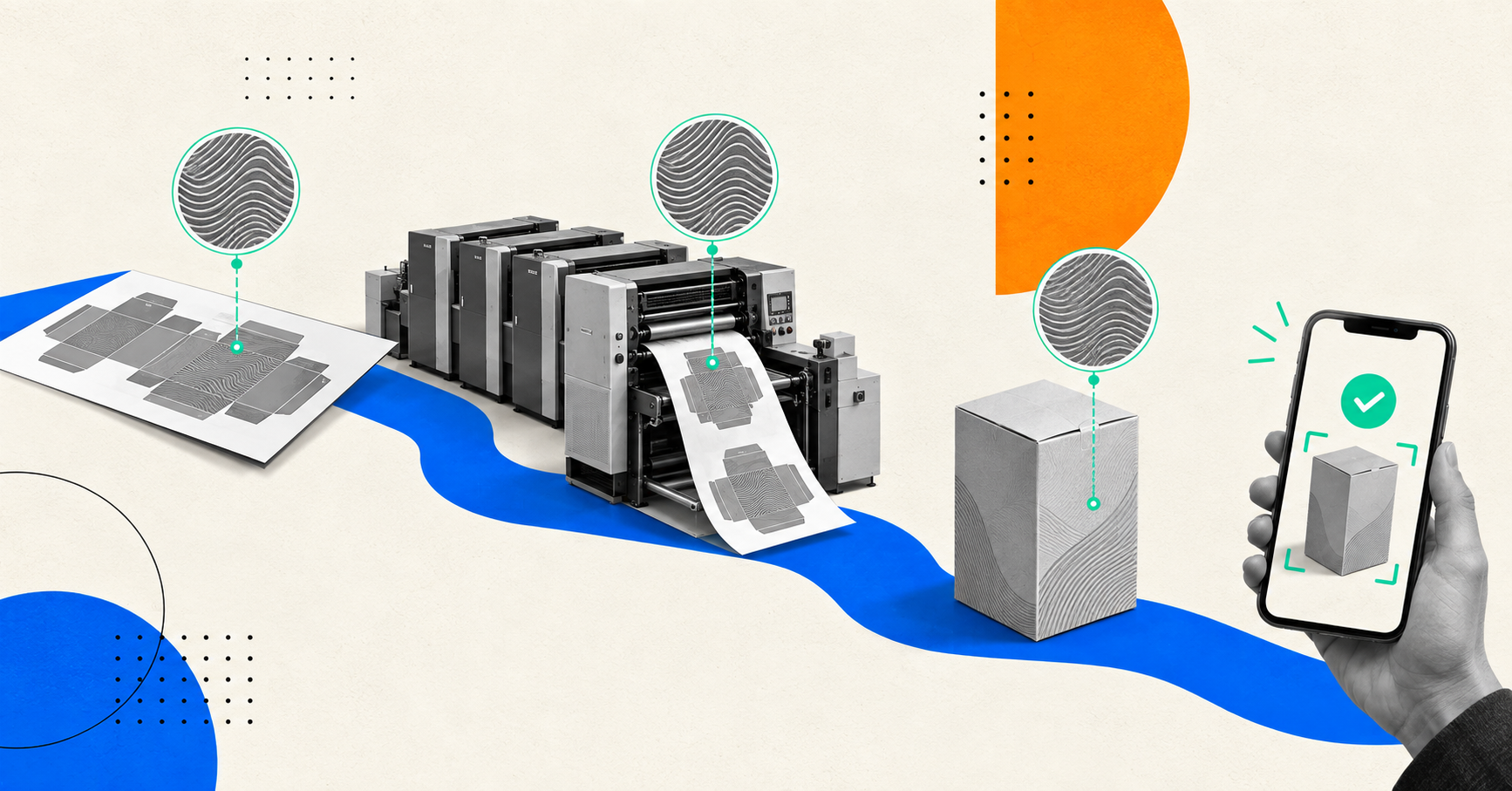
Packaging-integrated authentication is usually pitched the same way: no new label, no redesign, no change to your packaging line. For a brand custodian who has already sat through one vendor demo that quietly turned into a six-month print-process overhaul, that pitch deserves a closer look before it goes into a business case.
The claim is not wrong. It is incomplete. “No line change” describes one specific part of the process, and knowing which part is what actually protects you from a surprise later.
TL;DR: Phantom Code encodes authentication into your existing artwork at pre-press, so the press and packaging line itself does not need new equipment or a redesigned pack. The work that does exist happens upstream, before printing starts.
What Phantom Code actually is
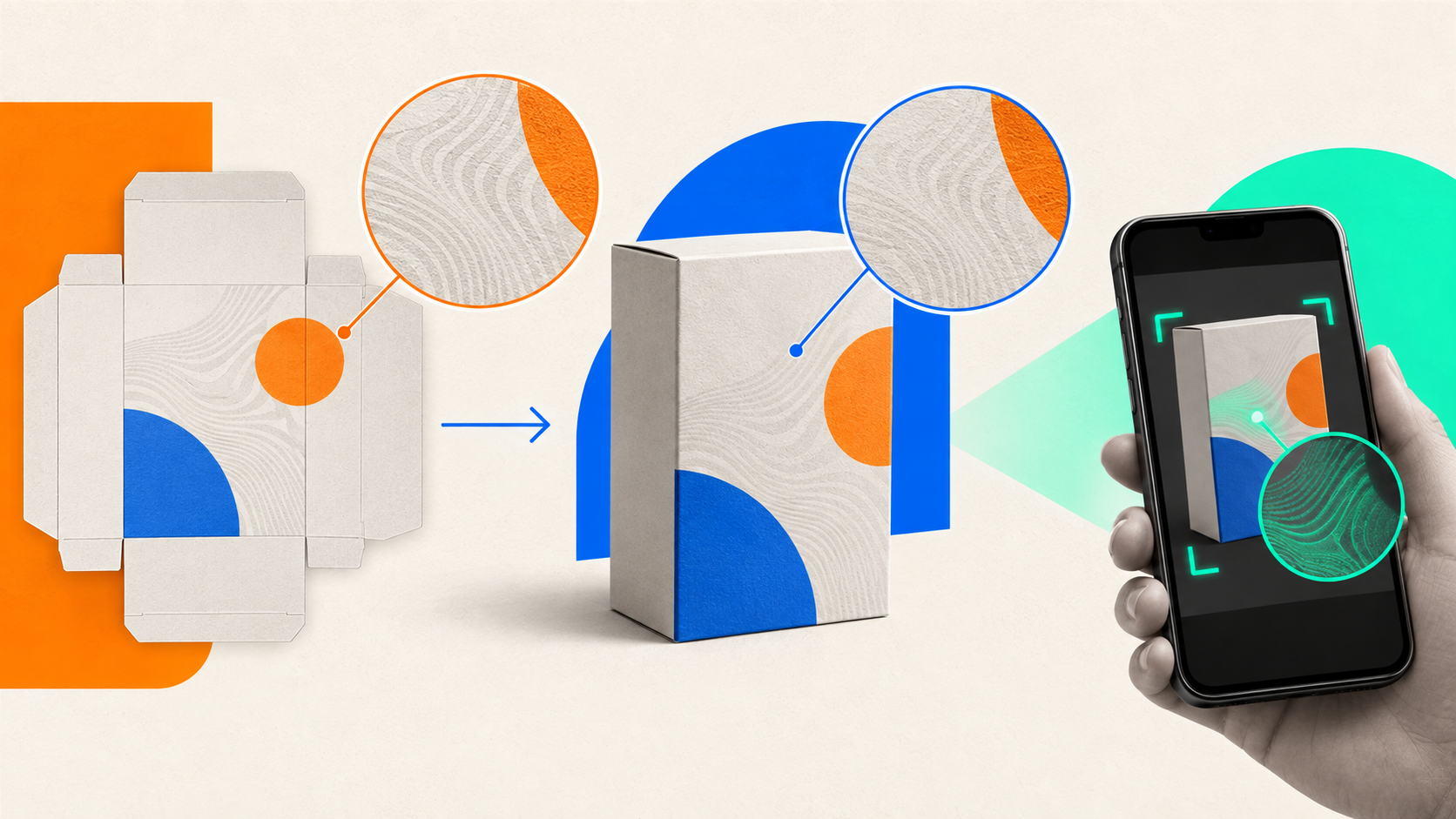
Phantom Code is Acviss’s packaging-integrated authentication solution. Instead of adding a QR code, hologram, or applied label as a separate visible element, it works by encoding an authentication pattern into the artwork itself.
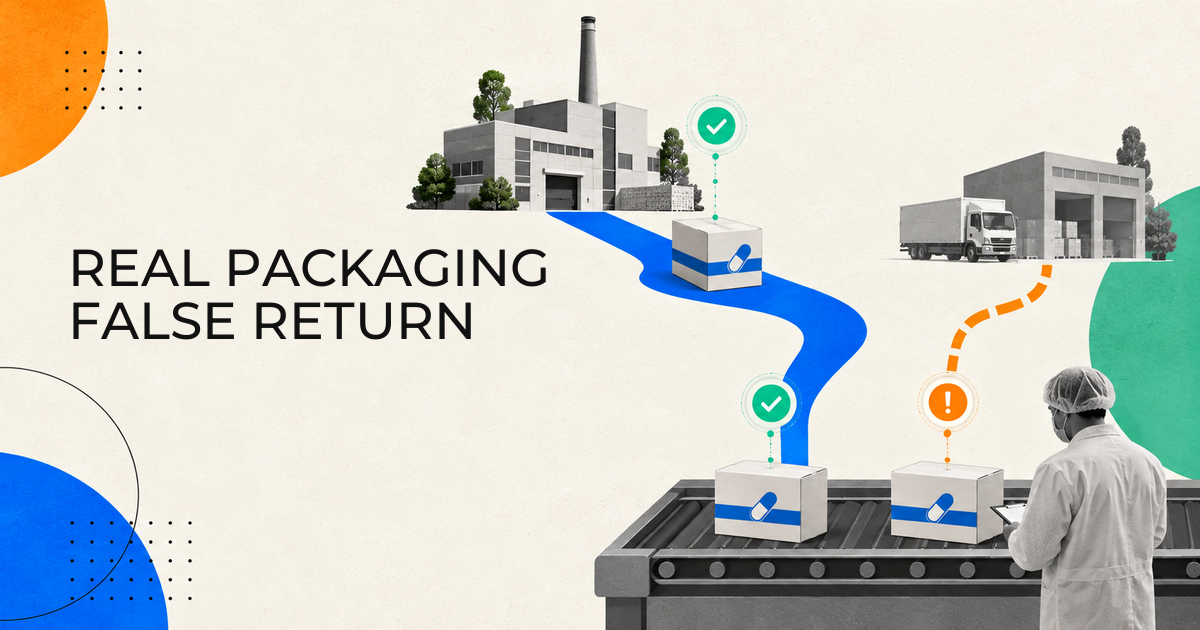
The documented workflow runs in four steps: review the existing packaging artwork and print process, encode a pattern into that artwork at pre-press, print the packaging within the required production parameters, and let a verifier check the result with a smartphone. Acviss groups this under invisible authentication, a carrier built into the pack’s own design rather than sitting on top of it.
For a brand custodian, the appeal is obvious. Nothing changes about how the pack looks on shelf. No new supplier relationship for labels or holograms. No new material to source, store, or run out of mid-production. The authentication lives in the same print file the design team already owns.
What “no line change” actually covers
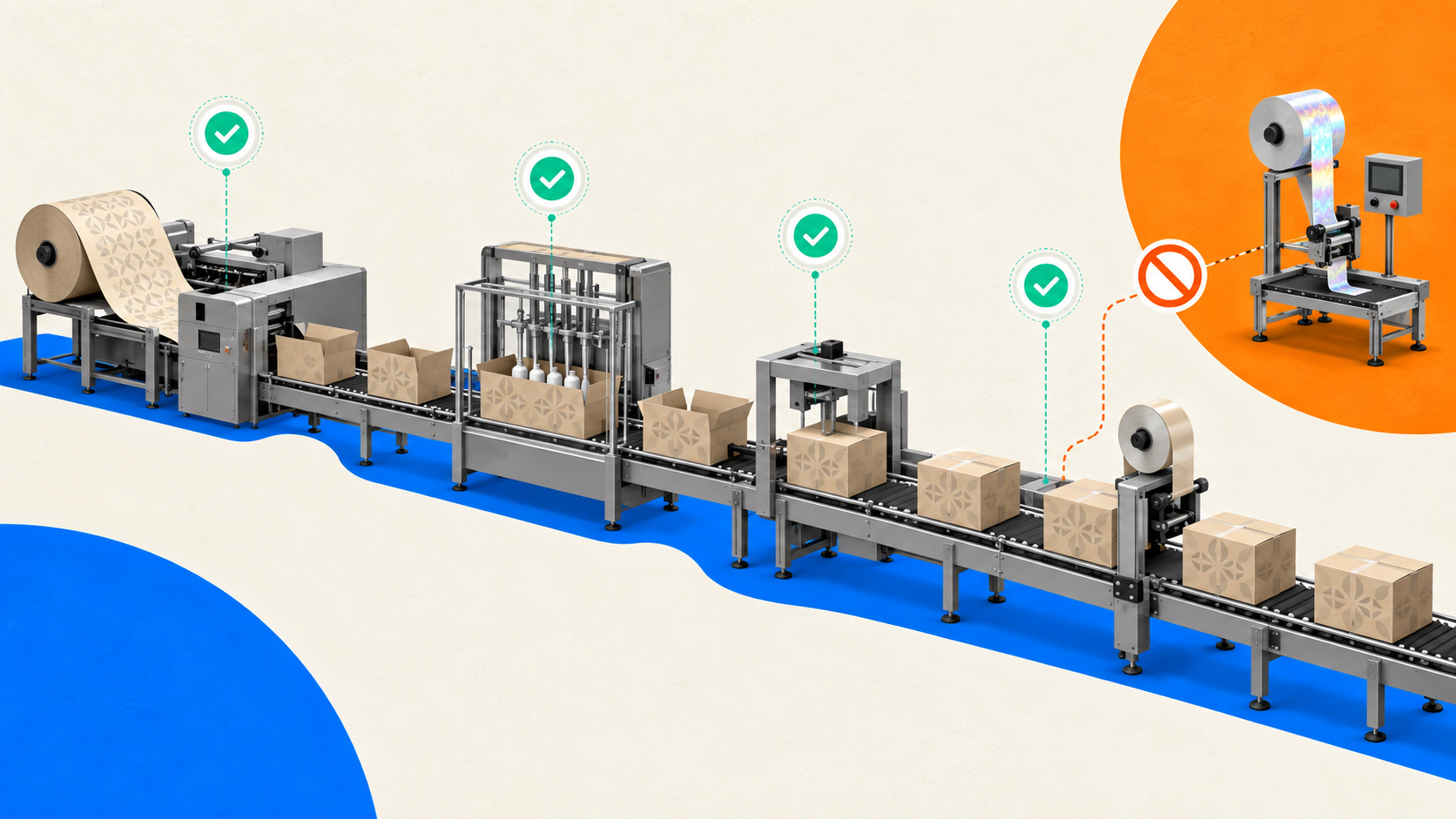
Compare that workflow to a hologram or an applied security label. Both require a new physical material, a dedicated applicator, and a new step on the packaging line itself.
Phantom Code’s pattern lives inside the artwork file. Nothing new gets applied at the point the pack is filled and sealed. That is the specific thing “no line change” is describing.
It is not a claim that nothing changes anywhere in the process.
The catch: what still has to happen before go-live

The pre-press step is real work. Someone, either your packaging designer or your print partner, has to encode the pattern into the artwork and validate that it survives your actual print process, substrate, and finish before a single pack goes to market.
That is where the honest questions start. Acviss’s own product page describes the pattern as non-clonable and says it requires no redesign. Those are claims worth taking seriously, and also claims this article is not independently verifying. Acviss’s internal evidence register lists equipment impact, line-speed impact, substrate and print-process compatibility, and non-cloneability for Phantom Code as unconfirmed pending technical proof, the same bar any other vendor’s authentication claim should clear.
Holding your own vendor to that standard is not a knock on the product. It is what separates a pitch you can act on from one you still need to test.
There is a second, quieter question worth asking too: who owns the pre-press step once it becomes routine. A one-off pilot pack can absorb some manual back-and-forth between designer and print partner. A full SKU range running through the same workflow every time a pack gets refreshed cannot. Ask what that ownership looks like at scale, not just for the first sample run.
Questions to ask before assuming “no line change”
Before this goes into a packaging brief, get answers to these:
- Which artwork, substrate, and print-process combinations has the pattern actually been tested against, and does yours match?
- What does print-parameter validation look like for your specific pack, and who signs off on it, you or the print partner?
- Does verification need a dedicated app, or does it work from a standard smartphone camera?
- What evidence exists for claims beyond “packaging-integrated authentication solution,” and is it specific to your product category?
Where Phantom Code fits
If the goal is authentication without a visible redesign or an added physical label, Phantom Code is built for exactly that job. It is Acviss’s packaging-integrated authentication solution, and the pre-press-encode-print-verify workflow is what makes the visible pack look untouched.
Readers comparing carrier types more broadly, QR codes, holograms, and invisible layers, side by side, can see that laid out in this comparison.
Before you commit
The appeal of covert authentication is straightforward: it promises to sidestep the two things brand teams tend to fear most about an authentication project, a visible redesign and a slower line. That promise is real for the specific step it describes.
“No line change” is true about the press. It is not the whole story about the work. Ask for the artwork and print-process evidence before the pitch becomes a plan, and Phantom Code, or any covert authentication carrier, earns its place on the packaging line rather than just avoiding it.
See how Phantom Code performs against your own artwork and print process.
Get a real answer before it goes into a packaging brief.
Test Phantom Code against your own artwork
The only way to know if "no line change" holds for your pack is to run your own artwork and print process through it. Book a demo and get a straight answer before it goes into a packaging brief.
Related reading
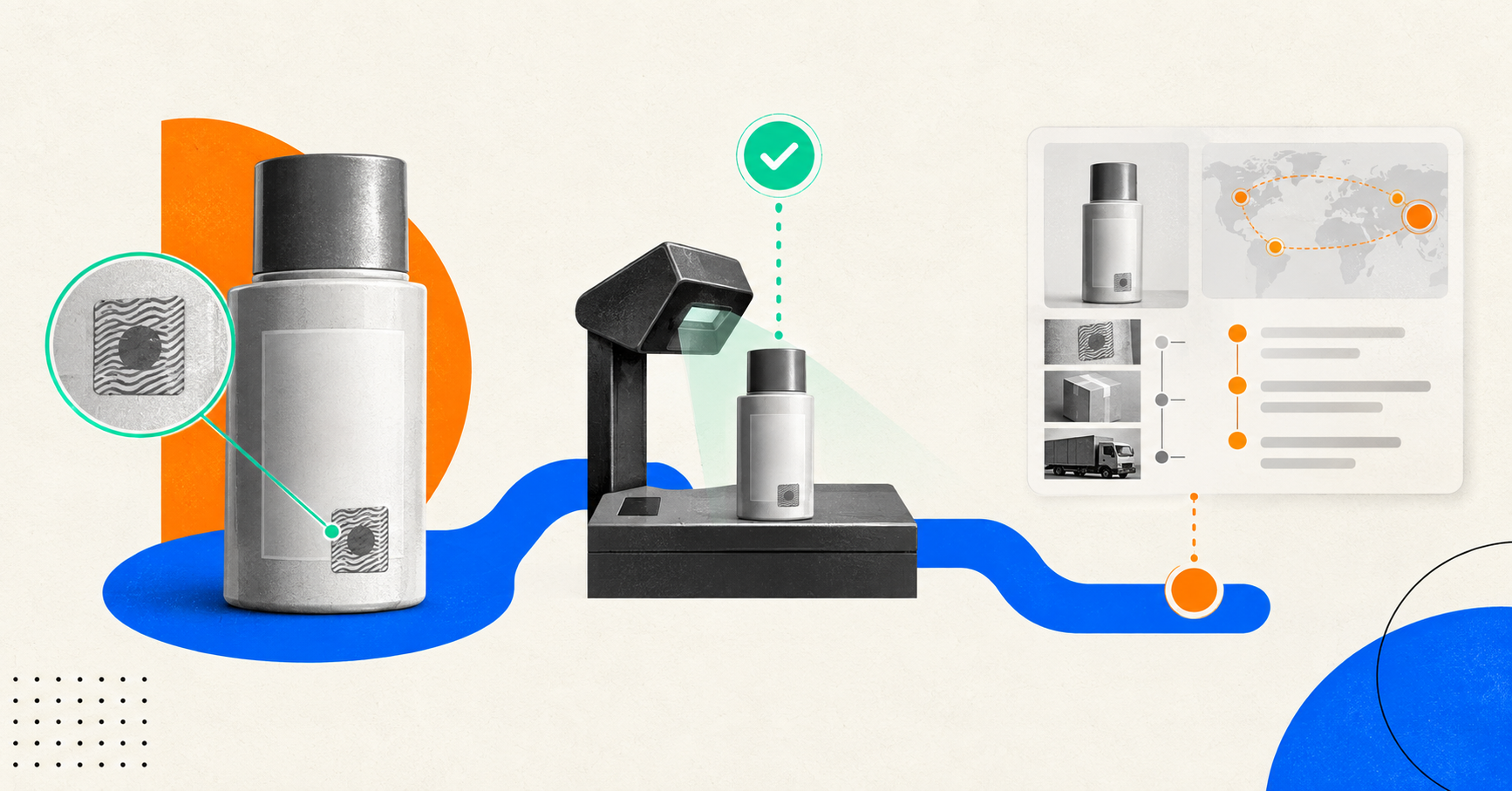
Product Authentication Technology: What Actually Works in Practice
Read related Acviss guidance.
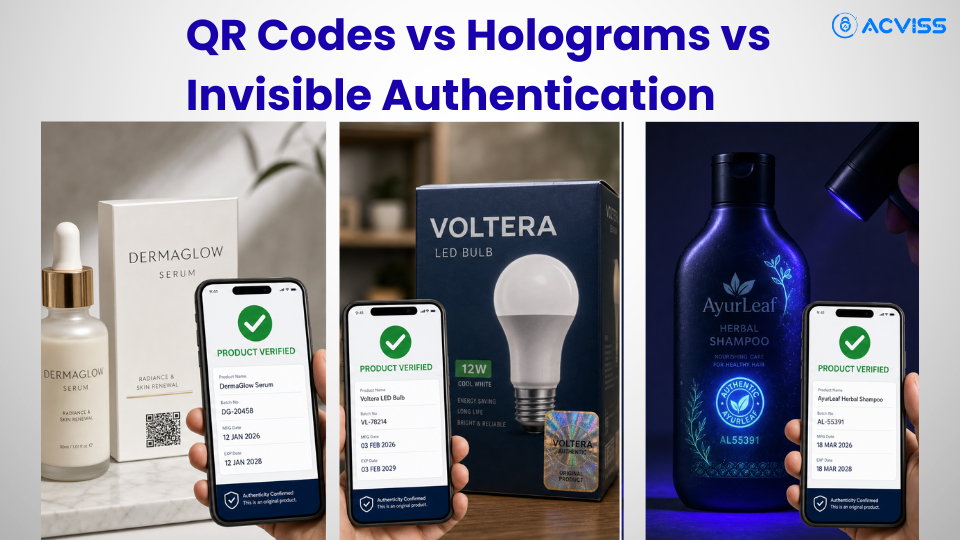
QR Code vs Hologram Label vs Invisible Layer For Your Brand
Read related Acviss guidance.