
- Two Different Compliance Problems Wearing the Same Name
- Why Compliance Documentation Alone Isn’t Enough Anymore
- What a Compliance Tool Actually Needs to Prove
- Where This Bites Compliance and Quality Teams
- A Real Case: When Compliance Tooling Solves More Than Paperwork
- A Buyer’s Checklist Before You Choose a Compliance Tool
- Building Compliance That Holds Up Under Audit
What Security Compliance Tools Actually Need to Prove in an Audit
- Search “security compliance tools” and every top result is SOC 2 or ISO 27001 software for SaaS. That category cannot tell you whether a specific unit of a physical product is genuine or where it has been.
- Compliance certificates prove a process existed, not that a specific unit actually went through it. Regulators like CDSCO are pushing toward unit-level accountability, not just batch-level sign-off.
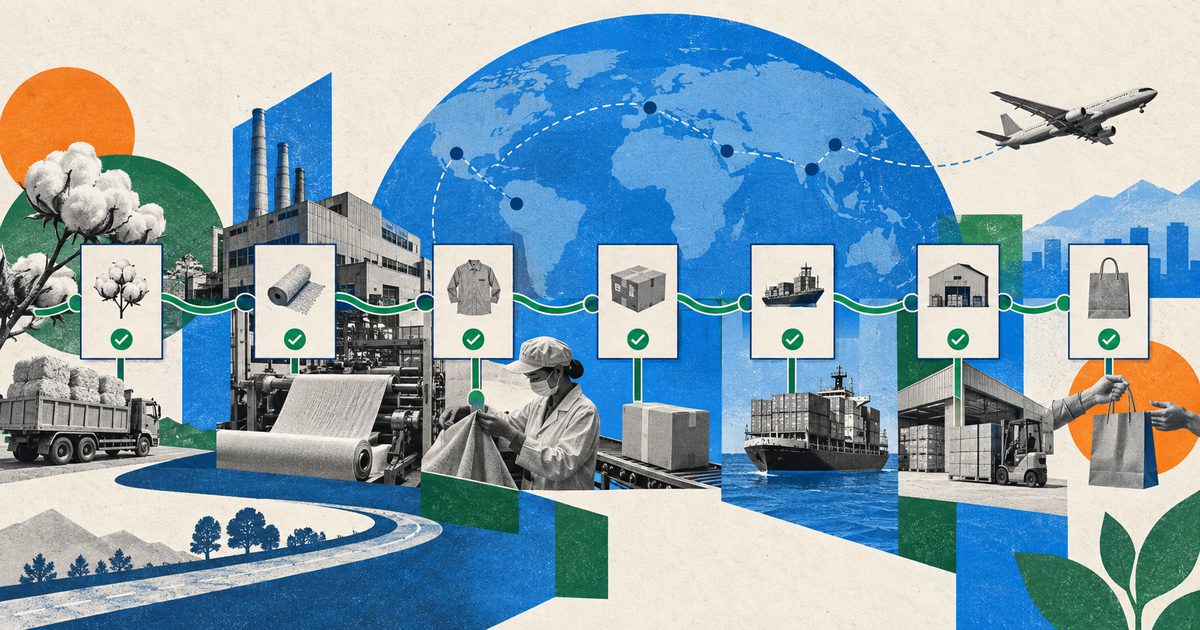
- A real audit trail must be tamper-evident and traceable to the individual unit, combining authentication and supply chain traceability, not either one alone.
- Use the five-question buyer’s checklist in this article before choosing a compliance tool for physical products.
Most brands treat security compliance tools as paperwork software: something that generates a certificate, files a report, and closes an audit item. Search that exact phrase, though, and every result is Vanta, Drata, Secureframe, or OneTrust: SOC 2 and ISO 27001 automation built for SaaS companies proving their cloud environment is locked down. Useful if you’re securing customer data. Cosmetics brands face a physical-product version of this same compliance gap, covered in counterfeit cosmetics as a compliance risk. Useless if you’re securing a strip of tablets or a bag of fertiliser moving through a warehouse network, because none of those tools can tell an auditor whether the specific unit in front of them actually went through the process on paper, or diverted somewhere along the way. The EU is about to make that kind of per-unit data a legal requirement — see our piece on Digital Product Passport data requirements. For the country-by-country rollout dates, see the EU Digital Product Passport rollout timeline.
Two Different Compliance Problems Wearing the Same Name
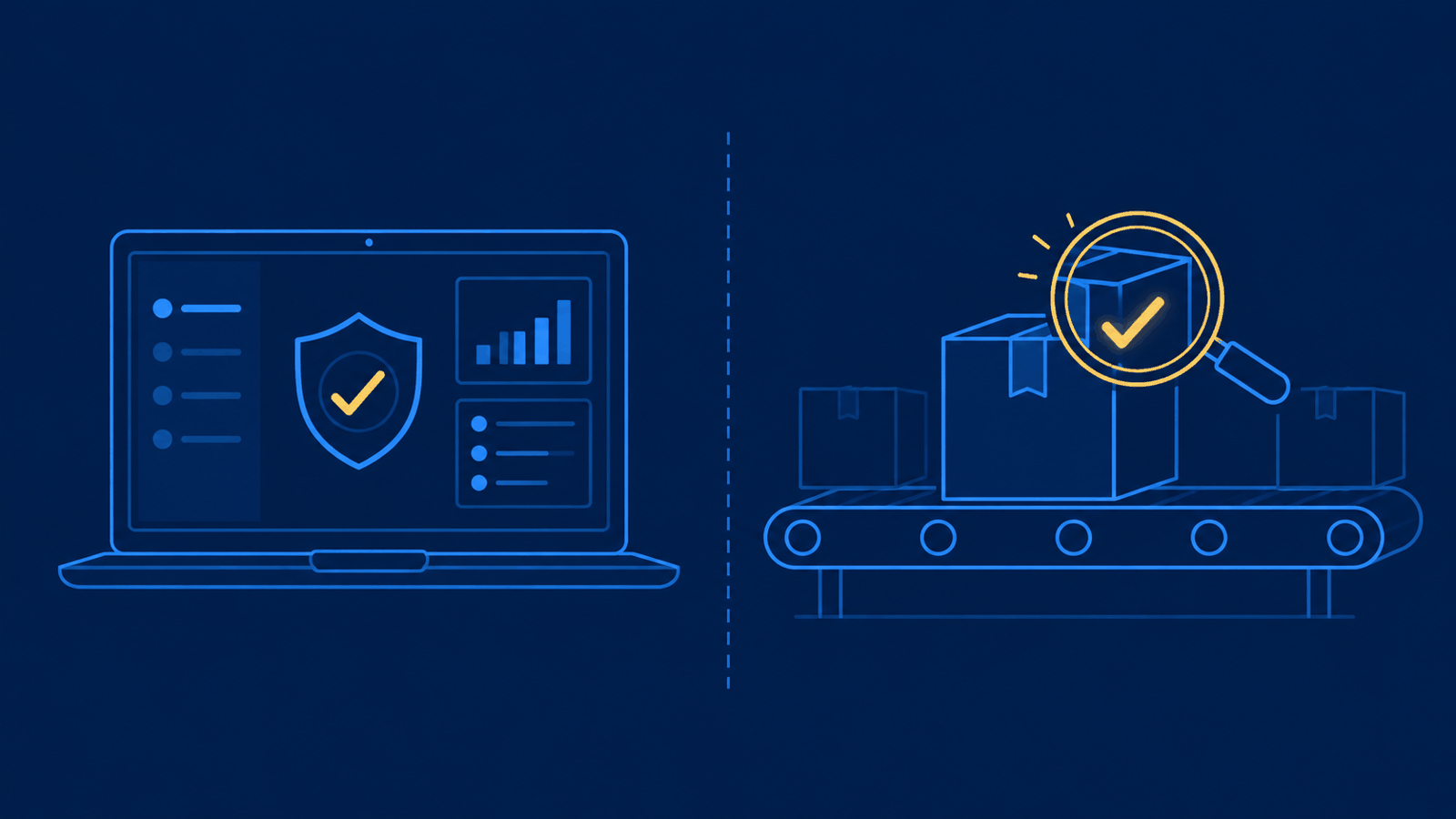
IT security compliance and product security compliance get lumped under one search term, but they answer to different regulators, different evidence, and different failure modes. IT compliance protects data and systems: an enterprise customer doing vendor due diligence wants proof that access is controlled and incidents are handled on a defined process, and the evidence is digital (config screenshots, access logs, penetration test reports). Social commerce sales, by contrast, often leave no evidence trail at all — covered in social commerce as an unmonitored counterfeit channel.
Product compliance protects the goods themselves as they move from factory to shelf to consumer. The regulator here is a drug controller, a food safety authority, or an industry body enforcing anti-counterfeiting and track-and-trace rules, and the evidence is physical-to-digital: proof that unit X was made on date Y, shipped through distributor Z, and reached the consumer without being swapped, diverted, or duplicated along the way. A manufacturer that treats “security compliance tools” as one shopping list ends up with a stack that satisfies auditors on the IT side and leaves the actual product completely unmonitored. This distinction is exactly why India’s pharma and agro sectors keep discovering compliance gaps that a SOC 2 audit would never have caught.
Why Compliance Documentation Alone Isn’t Enough Anymore
A compliance certificate tells an auditor a process existed at some point. It does not tell them whether the specific batch or unit sitting in front of them actually went through that process. Regulators asking for regulatory traceability want the second answer, not the first.
This is why CDSCO audits in Indian pharma are increasingly pushing toward unit-level accountability rather than batch-level sign-off, a shift that mirrors what the EU’s Falsified Medicines Directive already requires with its unique 2D barcode and anti-tampering mandate on medicine packaging (European Medicines Agency). A batch record shows a process was compliant in aggregate. It cannot show that one specific pack, sold to one specific pharmacy, matches that record, and a genuine batch can still ship with counterfeit units mixed in downstream.

See Origin in action
See how Origin gives compliance teams unit-level, tamper-evident audit trails.
Explore Origin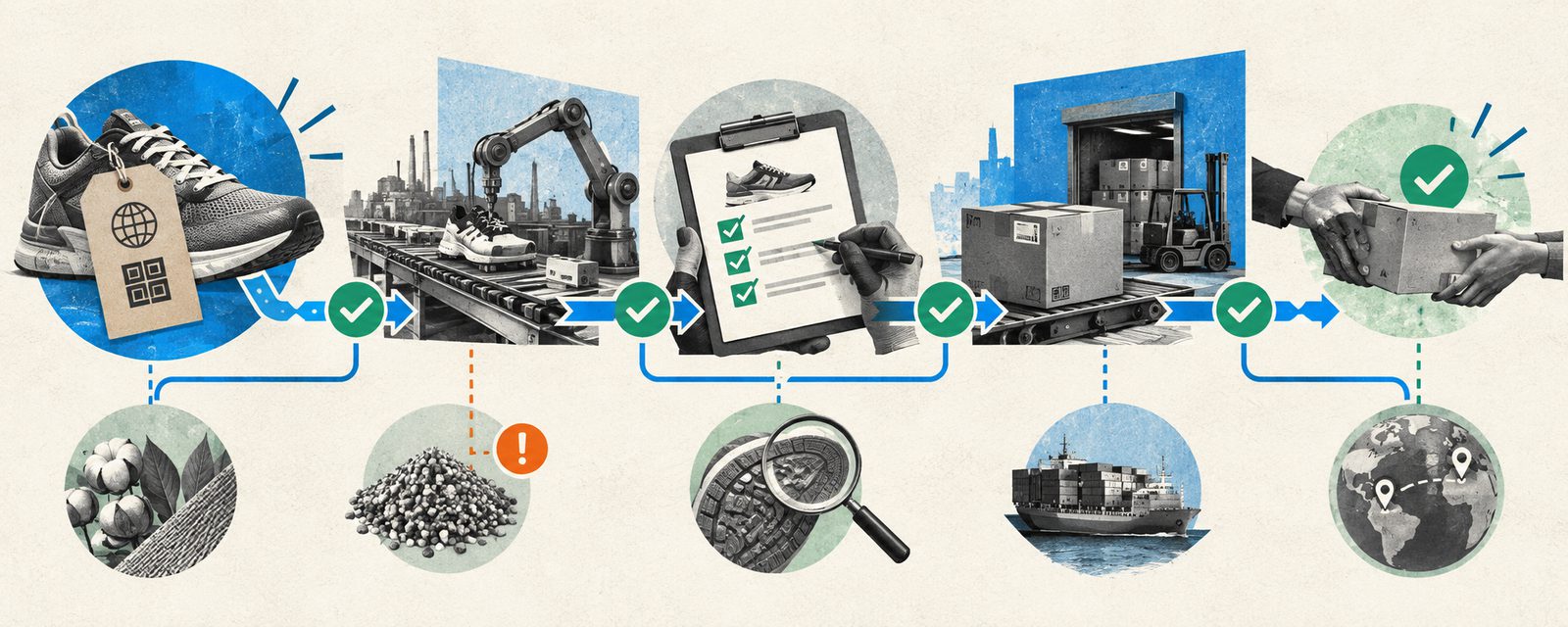
What a Compliance Tool Actually Needs to Prove
Strip away the marketing language and a security compliance tool for physical products needs to answer three questions an auditor will actually ask, not the questions a demo is built to impress.
Can it authenticate at the unit level, not the batch level? Can someone, at the point of sale or point of use, confirm the unit in their hand is genuine, without installing an app? Acviss’s Certify product does this with a unique, non-clonable 2D code per unit, verified via WhatsApp or web scan, and it sits alongside packaging security measures rather than replacing them, a common misconception worth clearing up along with a few others about anti-counterfeit technology.
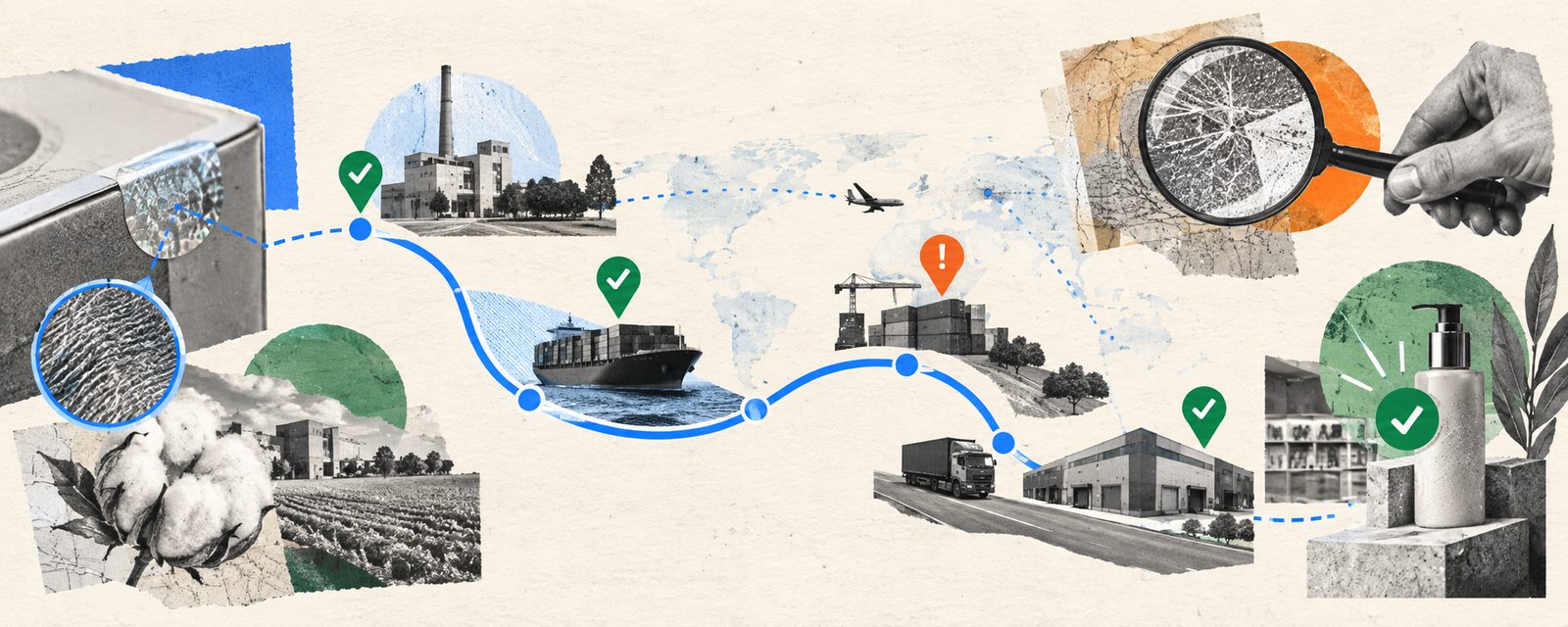
Can it prove where the unit has actually been? Authentication tells you a unit is real; traceability tells you where it travelled, which matters for both regulatory track-and-trace mandates and grey-market detection, since a unit that shows up somewhere it was never shipped to is either diverted or counterfeit.
Is the record itself tamper-evident? If the underlying data can be edited after the fact, or only exists at the batch level, it cannot answer the questions that actually matter under audit: the exact path a unit took from manufacture to point of sale, proof the record wasn’t altered after the fact, and the ability to isolate a single suspect batch without pulling the entire product line. This is the practical difference between a compliance checkbox and a real audit trail in the supply chain, and it’s the same underlying discipline as compliance management more broadly: continuous verification, not a point-in-time check.
Acviss’s Origin platform is built around the second and third requirements together: end-to-end supply chain traceability combining blockchain records, computer vision, and IoT connectivity, integrated into existing ERP systems rather than requiring a parallel one, specifically because an audit trail that can be quietly edited after a compliance failure isn’t an audit trail. It’s a liability. Where Certify answers “is this unit real,” Origin answers “has this unit been where it’s supposed to be, and can I prove it.”
Where This Bites Compliance and Quality Teams
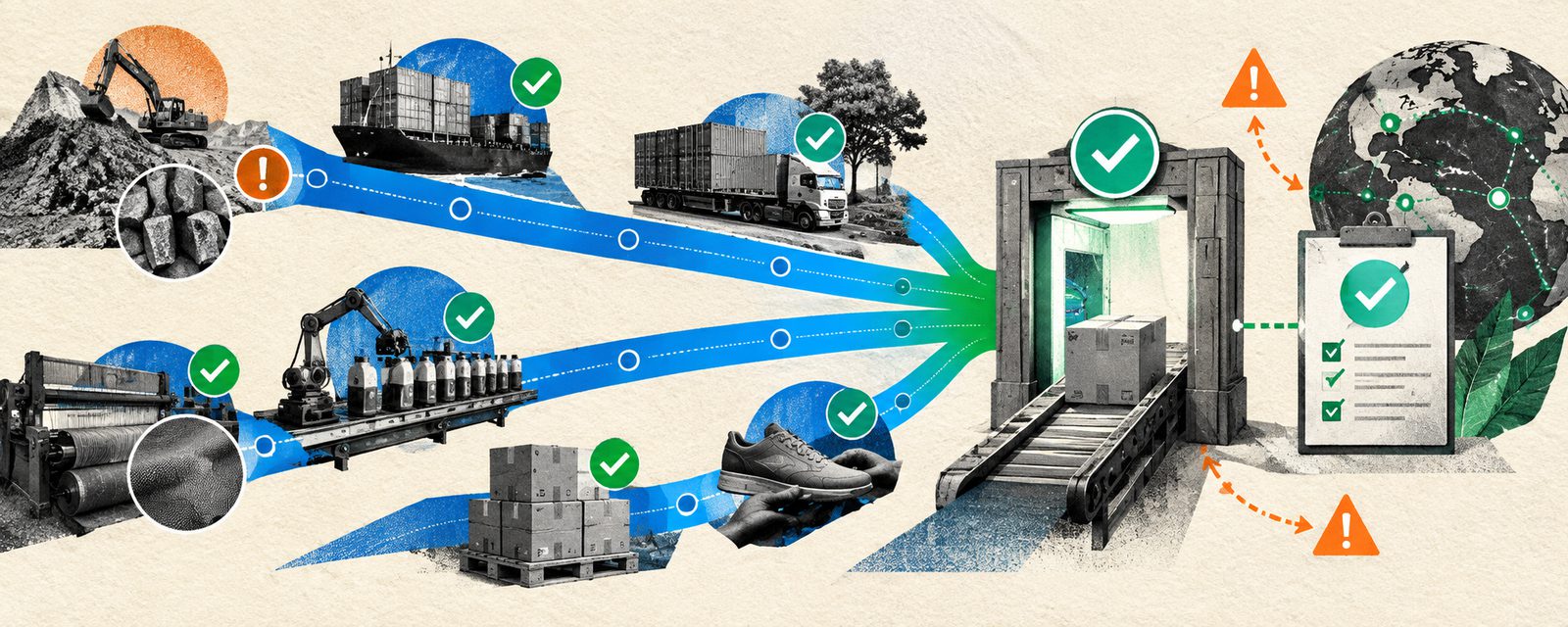
Compliance and quality heads usually discover the gap between “we have a certificate” and “we can trace this exact unit” during an actual incident, not a routine audit. A recall, a regulator’s spot-check, or a customer complaint about a suspect product forces the question: can we trace this exact unit back through our supply chain, or only the batch it theoretically belongs to?
Teams that can only answer at the batch level end up recalling far more product than necessary, because they cannot isolate which specific units were actually affected. Unit-level traceability turns a blanket recall into a targeted one. Indian pharma regulation has been moving in this direction for several cycles, with CDSCO’s packaging and traceability requirements tightening rather than staying static — brands building compliance tooling today should assume the bar keeps moving toward unit-level proof, not away from it.
A Real Case: When Compliance Tooling Solves More Than Paperwork
Compliance tooling isn’t only a defensive checkbox. Under Karnataka’s K-Kisan farm mechanisation scheme, the state government subsidises agricultural machinery and inputs for farmers, but counterfeit machinery had been reaching farmers instead of the genuine subsidised equipment they were entitled to, undermining the scheme itself. The Karnataka Department of Agriculture responded by making QR-based compliance labelling mandatory for every vendor empanelled under the scheme, with Acviss issuing a uniquely serialised 2D compliance label per unit, linked to a central record (source). The same instrumentation that satisfies a compliance mandate, proving which unit reached which farmer and that it’s genuine, is what closed the gap counterfeiters were exploiting. Compliance data, done right, isn’t dead weight sitting in a filing cabinet. It’s operational data that happens to also satisfy a regulator.
A Buyer’s Checklist Before You Choose a Compliance Tool
Before evaluating any vendor in this category, five questions cut through most of the sales pitch, including how the service itself gets priced — see our piece on pricing authentication as a service:
- Does it verify at the unit level or the batch level? Batch-level verification misses individual counterfeit or diverted units mixed into a genuine batch.
- Does it integrate into your existing packaging line and ERP, or require a redesign? A tool that forces a packaging redesign or a second, less-trusted data source adds cost that has nothing to do with compliance.
- Does it produce evidence an auditor can use automatically? If getting compliance evidence out of the system means someone manually pulling reports before every audit, the tool is solving the wrong problem.
- Does it match the regulatory regime you’re actually under? Pharma, agrochemical, and FMCG compliance requirements differ by geography and category — a generic “track and trace” claim isn’t the same as coverage for the specific mandate a business is being audited against.
- Can it scale past a single pilot SKU? A lot of authentication pilots work fine on one product line and fall apart once a brand rolls them across a full portfolio and multiple manufacturing sites. Ask how the vendor has scaled past a pilot, not whether they can in theory.
Building Compliance That Holds Up Under Audit
None of this replaces SOC 2 or ISO 27001 tooling, and it shouldn’t be framed as an alternative to it — a manufacturer running Origin for supply chain traceability still needs its own IT security standard for the systems it runs on. The two categories are complementary, not competing: one secures the systems a business uses, the other secures the physical goods it makes and ships. The brands that treat product compliance tooling as a traceability investment, not a paperwork exercise, are the ones that clear audits without scrambling, because unit-level, tamper-evident records were built in from the start rather than bolted on after a regulator asked a question the existing system couldn’t answer.
Book a demo to see how Origin gives compliance and quality teams unit-level, tamper-evident traceability that holds up under real audit conditions, not just a paper trail.

Make your compliance tooling audit-proof
Book a free demo and see how Origin builds unit-level traceability into your compliance workflow.
Book a Free Demo
Related reading
GS1 Digital Link and the 2027 Sunrise: Moving From 1D to 2D
GS1 Digital Link lets one 2D barcode work at checkout and connect to richer product data. Learn what Sunrise 2027 requires, what it does not
Why Semaglutide Became 2026’s Counterfeit Case Study
In early 2026, Indian investigators linked a circulating batch of counterfeit semaglutide to a manufacturer based in Austria. Interpol flagg