
In this article
Recent Posts
Counterfeiting Arun KrishnanFeb 19, 20259 min read
Top Industries Most Affected by Counterfeiting and How to Stop It
 Arun KrishnanFeb 19, 20259 min read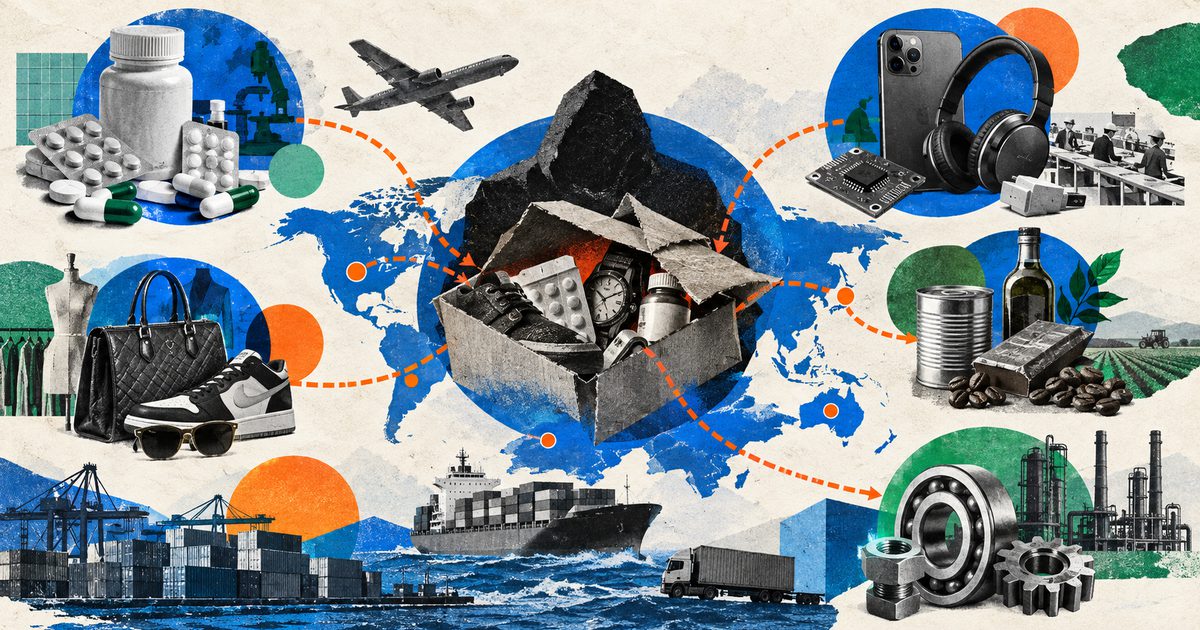
TL;DR
- Certain industries, including FMCG, pharmaceuticals, electronics, automotive, and fashion, face disproportionately high counterfeiting risk due to high demand and brand value.
- Each industry has its own counterfeit entry points: distribution gaps for FMCG, unregulated online pharmacies for pharma, component swaps for electronics and auto parts.
- The common thread across industries is weak verification at the point of sale or use, which lets counterfeits pass as genuine.
- Industry-specific authentication and traceability measures are more effective than generic anti-counterfeit approaches.
Counterfeiting: A Looming Threat to Global Industries
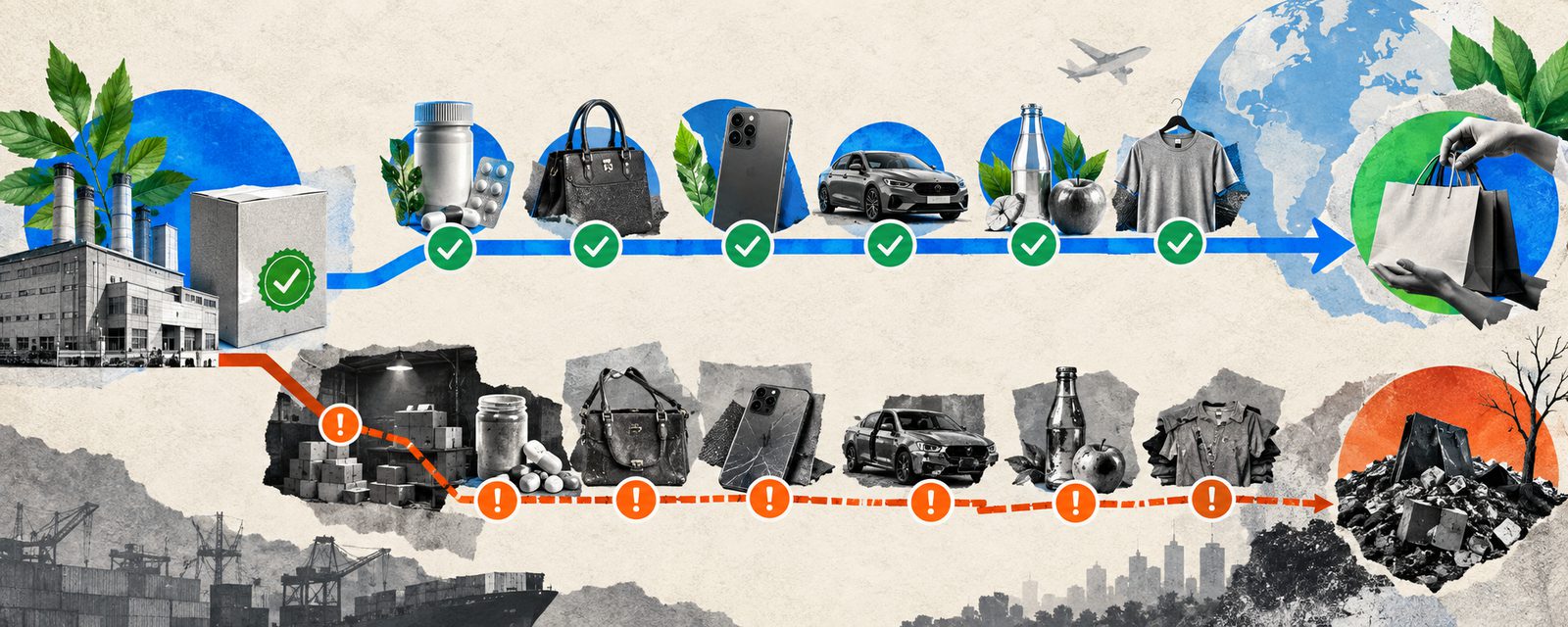
The counterfeit industry is projected to reach a global value of $4.2 trillion by 2026, infiltrating markets and damaging brands across sectors. While nearly every industry is at risk, certain sectors are particularly vulnerable due to high demand, complex supply chains, and the appeal of branded goods. Let’s explore the top five industries most affected by counterfeiting, their unique challenges, and solutions to combat this growing menace.1. Clothing and Apparel
Fashion is like the ever-changing leaves of a tree. It has a different season, without reason. Experts tout the clothing and apparel sector as recession-free. But is it free from counterfeits? The FMCG sector in India suffers a loss of around 200 million dollars annually due to counterfeiting. Counterfeit products piggyback on the reputation of the original brands. On average, the issue results in FMCGs losing their market share by nearly 20%. But which product is most susceptible to counterfeiting? Unfortunately, it is something that people use every day without much thought. Clothing and apparel account for most of the counterfeits in FMCG. Reports suggest that nearly 20% of fashion advertisements on social media are fake. But why does counterfeit thrives in clothing and apparel?- The logos and other brand identity markers are easy to replicate
- People buy branded clothes because it gives them a sense of exclusivity. Fake replicas of branded clothes are affordable
- counterfeit clothesThe demand for apparel is high, and the trend keeps changing. Counterfeit apparel brands are a thriving business
- The market for apparel is mainly unregulated
Impact of Counterfeit: Looking Beyond Profit and Loss
Brands suffer revenue and market-share loss due to counterfeit clothes and apparel. Also, the quality of the duplicates is questionable, leading to future failed marketing campaigns for the brand. But the impact of counterfeit clothes goes beyond the simple game of profit and loss. The dyes used in fake garments can be a health hazard, the same category of danger seen in fake automotive spare parts. With no regard for customer safety, counterfeit apparel uses dangerous chemicals to dye the clothes. Imagine letting your small children with delicate skin wear clothes that can poison them!
See Certify in action
See how Certify authenticates products across the industries counterfeiters target most.
Explore Certify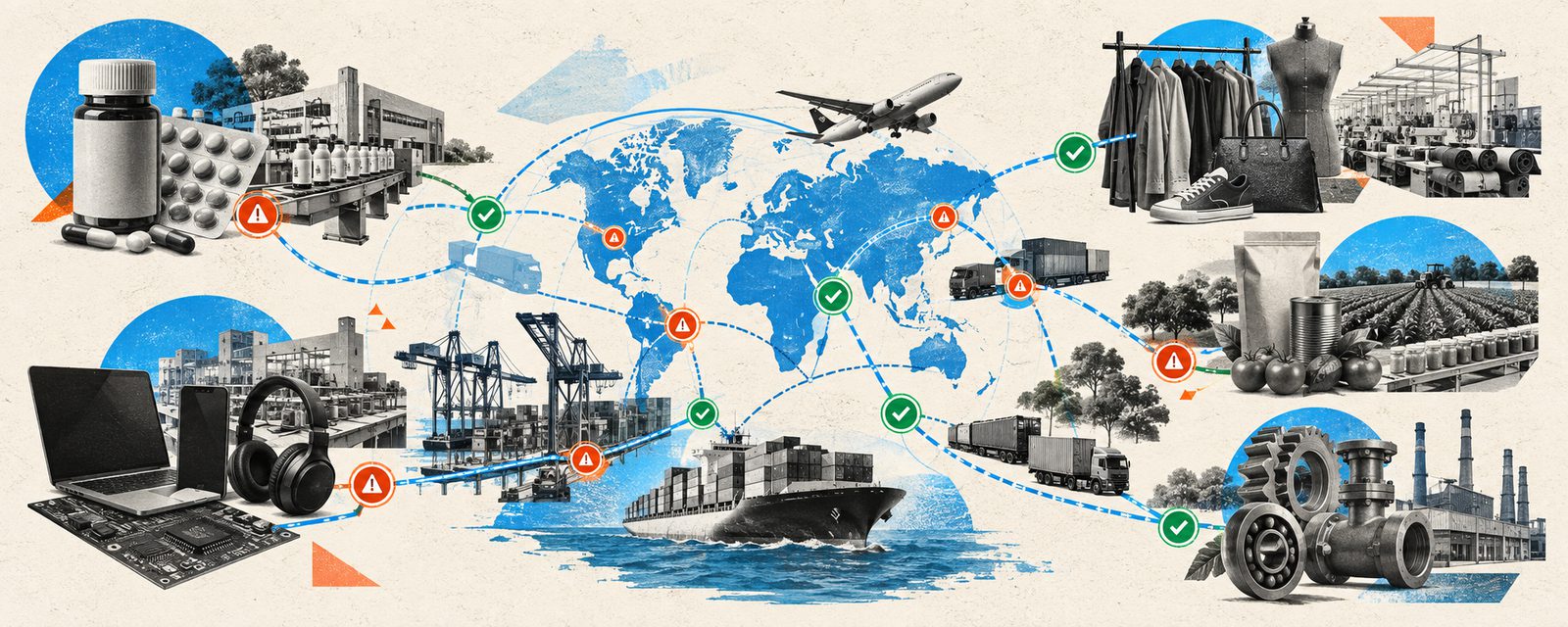
2. Food and Beverage:
Counterfeit in the food and beverages industry comes in different flavours. The most common practices are:- Adulteration and substitution
- Trademark infringement and repackaging
- Mislabelling and forgery
- Use of unapproved or illegal enhancements
But why does counterfeit thrives in the food and beverage industry?
- Packaged foods and beverages depend on the look and feel of the package as a unique identity marker. Unfortunately, many anti-counterfeit markers do not integrate with packaging. As a result, making identical packages with fake products is an easy business.
- Most of the fake foods and beverages go unnoticed. As a result, customers may not recognize that the health issues they face are due to fake food consumption.
- People do not spend much time analyzing the food and beverages they consume daily. So, they may not notice the subtle signs of counterfeiting.
- Suburban and rural areas suffer from lax regulations. Counterfeiters flock to the rural markets because it is an easy target
- Bona fide brands lose the goodwill and trust of their customers
- The process of raiding and removing counterfeit products is costly and time-consuming
- Spurious food products and beverages can trigger allergies and cause health issues for consumers. In many cases, consuming toxic chemicals in fake food products has led to the loss of lives.
3. Pharmaceuticals and Healthcare
The stakes are high when it comes to counterfeiting in the pharma sector. India is a global leader in the manufacturing of low-cost generic medicines. In terms of the production volume of drugs, India ranks third. The exports of generic drugs have been on a steady rise. The Indian market thus has a conducive climate for pharmaceuticals. However, estimates state that almost 20% of the drugs sold in the Indian market are counterfeit, fake, or substandard. Also, 35% of the fake drugs sold worldwide come from India. Fake vaccines are a particularly dangerous slice of that problem, covered in the fake COVID vaccine problem. Did you know that the sale of counterfeit medical products saw a 47% jump from 2020 to 2021? A global health crisis gave a boost to fake medicines! The government of India has now asked companies to introduce QR codes and serialization to tackle the issue of fake medical products. Yet, counterfeit continues to thrive in the pharmaceutical and healthcare sectors. But why does counterfeit thrive in the pharmaceutical and healthcare sector?- A demand-supply imbalance has always been a key driver for fake medical products. However, the shortage and panic caused by the pandemic pushed the demand-supply gap further.
- With the advent of e-pharmacies, the supply chain has become more complex
- Healthcare professionals lack awareness and have no means to check the authenticity of pharmaceutical equipment helps the grey market. Misconceptions about what anti-counterfeit technology can and can’t do compound that awareness gap, covered in 9 myths about anti-counterfeit technologies.
- Diluted, substandard, and spurious active ingredients play with the health and lives of helpless people
- The genuine brands may end up losing money over litigations and allegations of negligence
- Along with lawsuits, negligence across the supply chain can make it difficult to track the origin of fake medicines.
- People often pay a heavier price when they buy branded medicines instead of generic ones. The price they willingly pay is because they trust the brand. Brands have a social responsibility to uphold people’s trust.
4. Electronics and electrical appliances
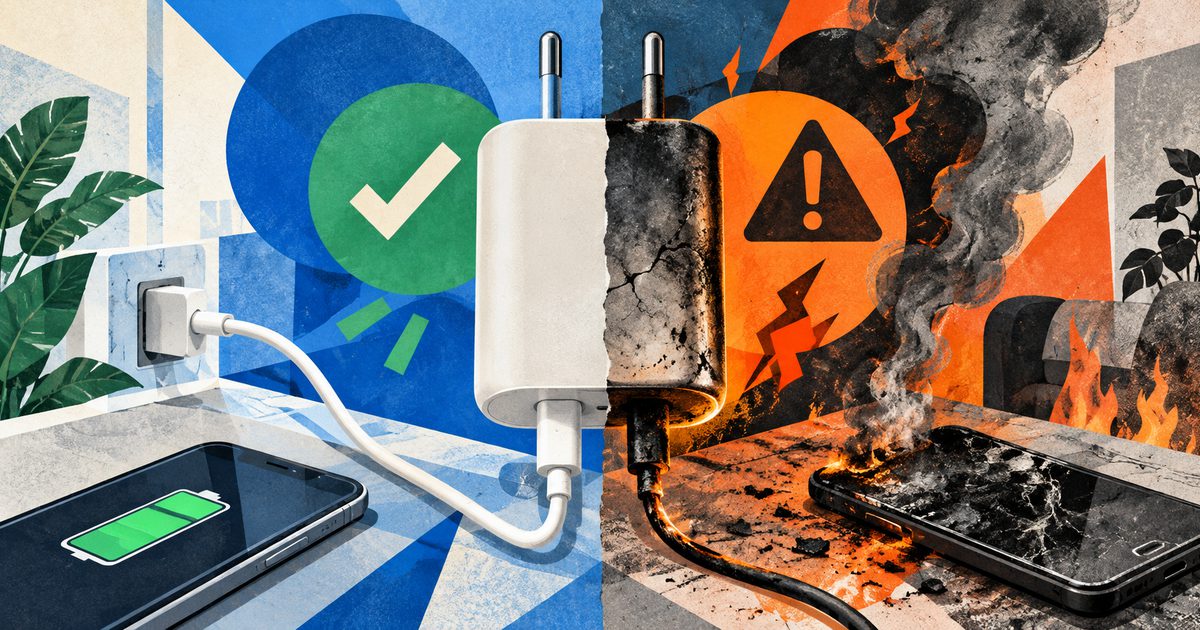
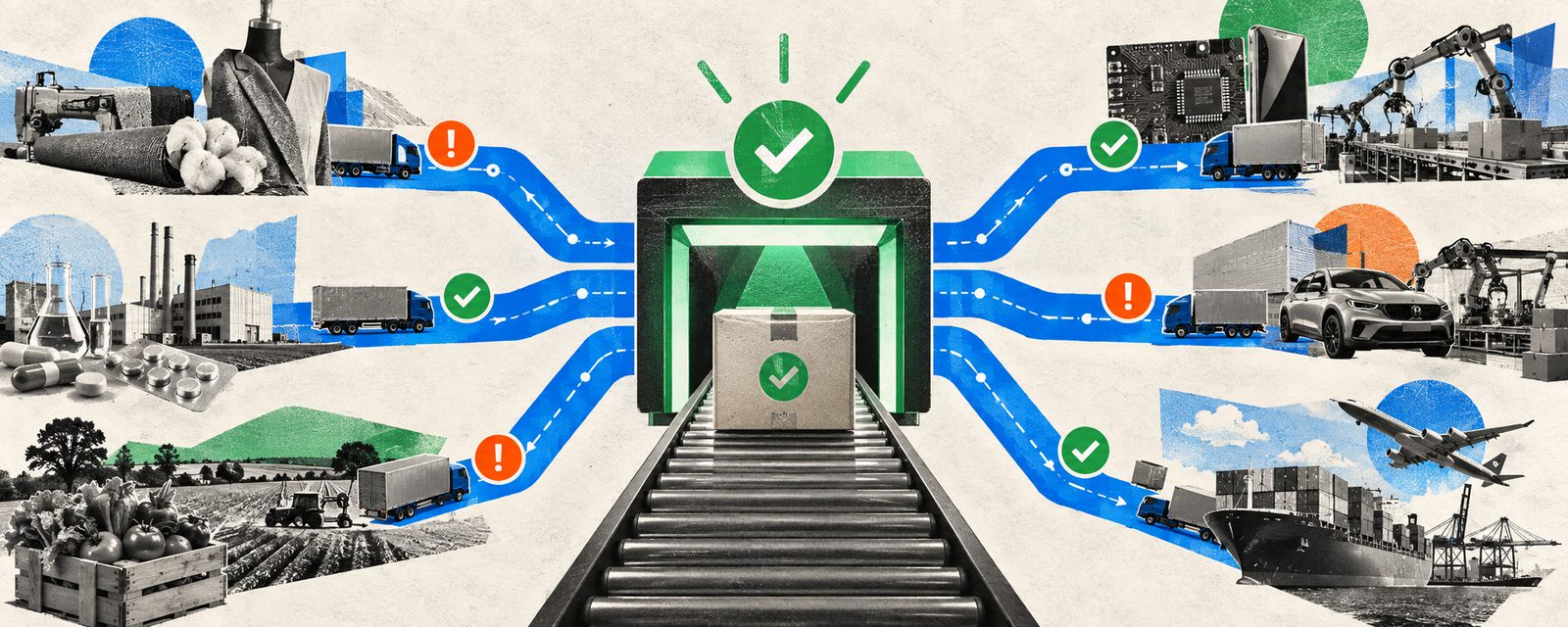
What happens when a counterfeit leads to a national security breach? Did you know that 15% of the Pentagon components in the USA could be faked? While counterfeit has infiltrated all walks of life, fake consumer electronics and electrical components remain high. Does your new mobile heat up very quickly? Do you need to keep recharging your branded phone continuously? Of course, the issue of counterfeit electronics and electrical appliances goes beyond batteries. Counterfeit chargers in particular carry a fire-hazard risk we cover separately in counterfeit electronics chargers and the fire-hazard risk they carry. Warranty management for electronics carries a related but distinct challenge, covered in digital warranty management for electronics. Regarding fake electronic and electrical appliances, there are designated hubs across the country (e.g., Palika Bazaar in Delhi) that have always been a breeding ground. In such corners, the estimated counterfeit electronic and electrical appliances go as high as 40%. E-commerce websites are increasingly becoming a portal of choice for manufacturers of fake electronic and electrical appliances to sell their products. The lucrative business of counterfeit electronics and electrical components:- Fake spare parts and appliances are cheaper. The steep discounts make people ignore the quality of the products while buying them
- The sale of electrical appliances and spare parts depends largely on the local electricians and technicians. The corruption in the supply chain starts at the grass-root level
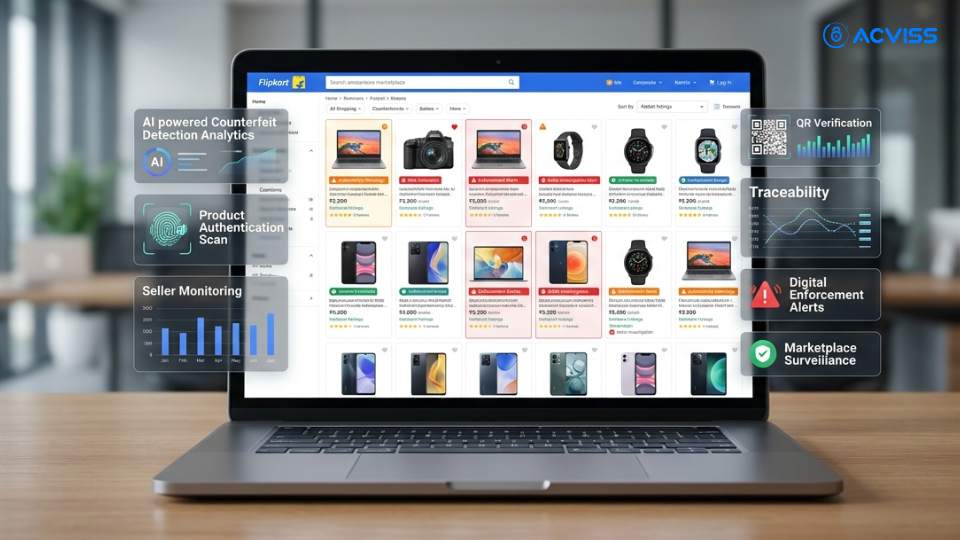
- E-commerce and the bumper sales offered online have made fake electronics a lucrative and easy business opportunity.
- It is not just about the revenue loss that the original brands suffer. Fake electronics and electrical products lead to an increase in customer grievances. The brands pay the price for returns and replacements.
- Fake electronics impede the adoption of new technology because customers lose faith in the product
- Dangerous spare parts do not follow safety protocols. For example, fake electronics and electrical appliances can cause injury due to faulty mechanisms.
5. Cosmetics
About 10% of all the cosmetics seized in 2019 were fake. In the US alone, the market share of fake cosmetics accounted for 8% of the total sales. Footwear sees a similar counterfeit share — see our piece on counterfeiting in the footwear industry. As the upper-middle-class population increased in India, cosmetics became an evergreen sector. However, unverified and uncontrolled sales of fake cosmetics have put a damper on the growth of the sector. Social media and eCommerce are the two culprits for the growing sale of counterfeit cosmetics. The growth in influencer marketing on social media has given a sense of authenticity to fake cosmetics. However, the Drugs and Cosmetics Act of 1940 has still been unable to make online retailers liable for selling counterfeit cosmetics. Why does counterfeit thrive in the cosmetics sector?- The certificates of authenticity provided by brands can be replicated.
- Many unauthorized cosmetics sellers have their e-commerce platforms
- Deceitful advertisements use blurry images of genuine brands to dupe customers. Nowadays, many fake advertisements have stopped using trademarks to avoid legal hassles.
- People are always looking for cheap but branded cosmetics. Counterfeit cosmetics are substandard but cheap.
- Registered retailers and the brand suffer losses due to the sale of fake cosmetics
- An increase in counterfeit results in anti-competition and a decrease in domestic production. Even personal care products will not find it lucrative to manufacture locally.
- Raids and lawsuits damage a brand’s reputation. Customers will start associating the brand with illegal activities
- The import of fake cosmetics has been linked to illegal drug sales
- Fake cosmetics ignore quality and safety checks. As a result, they are a health hazard for unsuspecting buyers, a problem covered in more depth in eliminating counterfeit cosmetics.
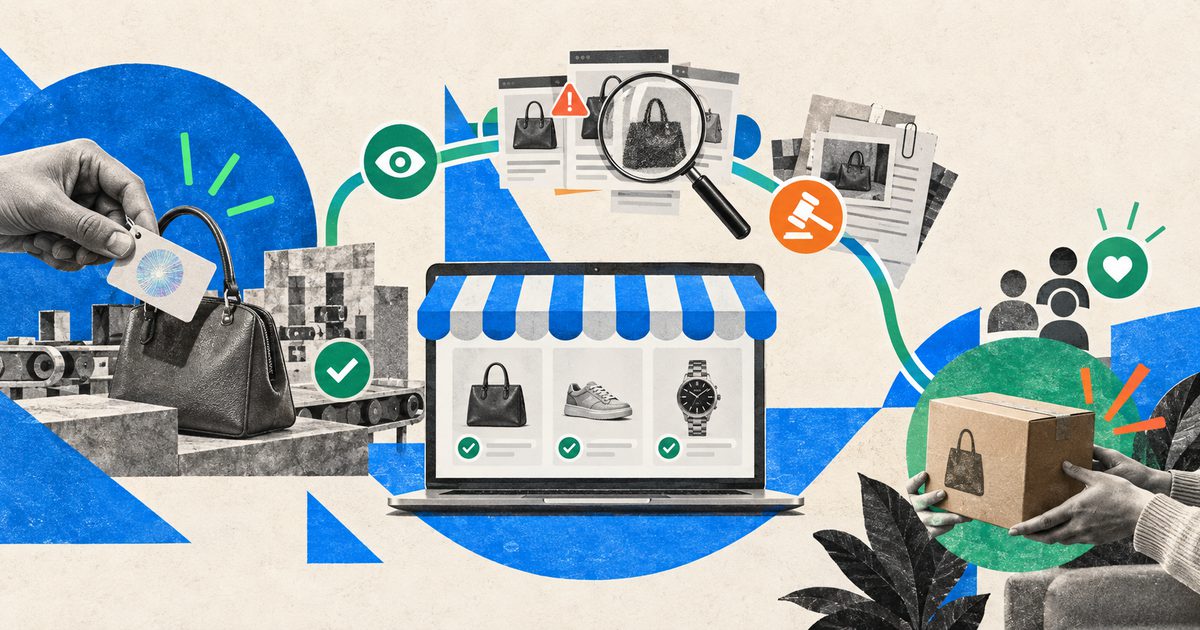
Anti-counterfeit solutions across sectors:
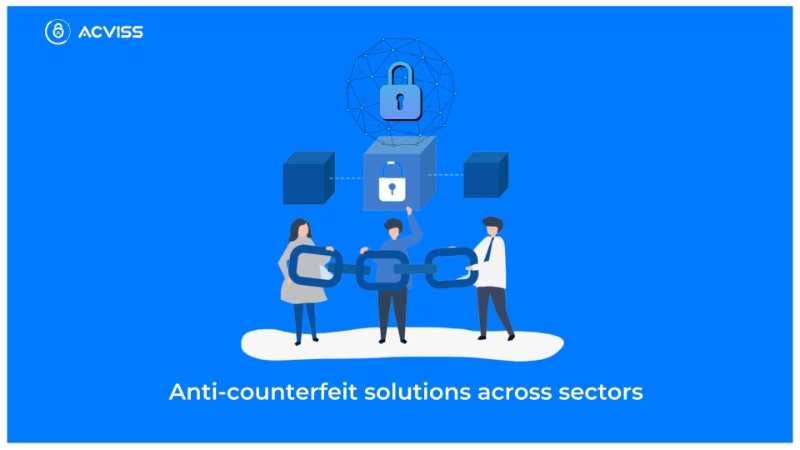
- Track and trace mechanism to increase visibility and trust across the supply chain: Every sector benefits from keeping its supply chain clean and transparent. The increased visibility and easy authenticity verification for food and beverages mean improved customer trust. WhatsApp-based authentication is one accessible way brands are delivering that verification, covered in how WhatsApp product authentication helps brands fight fakes. Customers can see the story behind their final product and information on the raw materials.
- QR codes and blockchain: The regulations require medical products to adopt QR codes and serialization to track and trace their products. A blockchain and 2D or 3D codes that integrate with packaging provide better protection. Pharmaceuticals have long been known to improve their packaging. With anti-counterfeit technology, brands can ensure tamper-proof and tamper-evident packaging on every unit. Loyalty and retention programs need a similar layer of trust, covered in customer retention through loyalty in the electrical sector.
- Authenticity certificates: Cosmetic brands issue authenticity certificates to dissuade the sale of fakes. However, anti-counterfeit technology can ensure that the certificates cannot be replicated.
- Warranty management: Anti-counterfeit technology extends to after-sales operations too. Sectors like electronics and electrical appliances spend a lot of money on replacements and repairs within warranty. At the same time, they need to filter out fake warranty claims. An automated warranty management system goes a long way in improving after-sales efficiency.

Protect your industry’s most-targeted products
Book a free demo and see how Certify stops counterfeits across FMCG, pharma, electronics, and more.
Book a Free DemoMore like this on:Counterfeiting
Related reading
Fake Condoms? Here’s What You Need to Know!
The National Family Planning Program of India is trying to increase the acceptance of condoms. Despite awareness

Why Fake Sporting Goods are a Huge Concern?
Counterfeit sports goods cost the global economy billions annually, with players unknowingly risking their safety and health.