
Where Counterfeit Risk Enters Your Procure-to-Pay Cycle
 Mithileshkumar R NaikJul 24, 20264 min read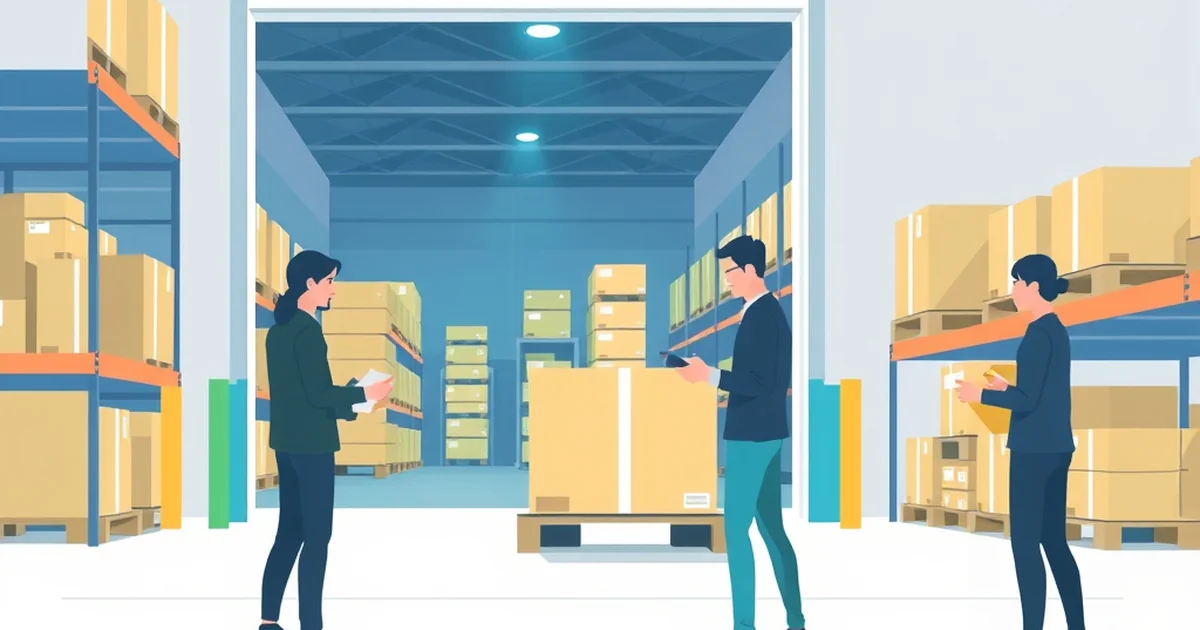
- Counterfeit and diverted stock risk usually gets traced to marketplaces or retail shelves, but it often enters much earlier, during the procure-to-pay cycle, at supplier onboarding and goods receipt.
- Most warehouses check quantity and packaging condition at goods receipt, not product authentication, so a substituted or relabelled component passes the same check a genuine one would.
- Counterfeit trade in intermediate components has grown faster than counterfeit trade in finished goods, putting more pressure directly on procurement.
- The fix isn’t a separate system. It’s extending the traceability layer a brand already uses downstream back into goods receipt, so every batch has a verifiable identity checked the moment it’s received.
Most brands trace counterfeit risk to the marketplace or the retail shelf. In reality, a lot of that risk gets locked in much earlier — inside the procure-to-pay (P2P) cycle, when a purchase order is issued to a supplier that was never properly verified, or a batch of raw material is received without anyone checking it matches what was ordered.
Procurement and finance teams run the P2P cycle to optimise cost, speed and compliance. Authentication is rarely part of that scorecard. That gap is exactly where fake components, diverted stock and substituted raw materials slip in, long before a product reaches a shelf or a marketplace listing.
Where risk enters the P2P cycle
A standard procure-to-pay cycle runs through six stages: supplier onboarding, purchase requisition, purchase order issue, goods receipt, invoice matching, and payment. Two of these stages carry almost all of the counterfeit and diversion risk.
Supplier onboarding. A supplier that hasn’t been properly vetted can supply substituted or non-genuine raw materials without triggering any flag in the system, because the procurement platform has no way to verify the supplier’s actual sourcing.
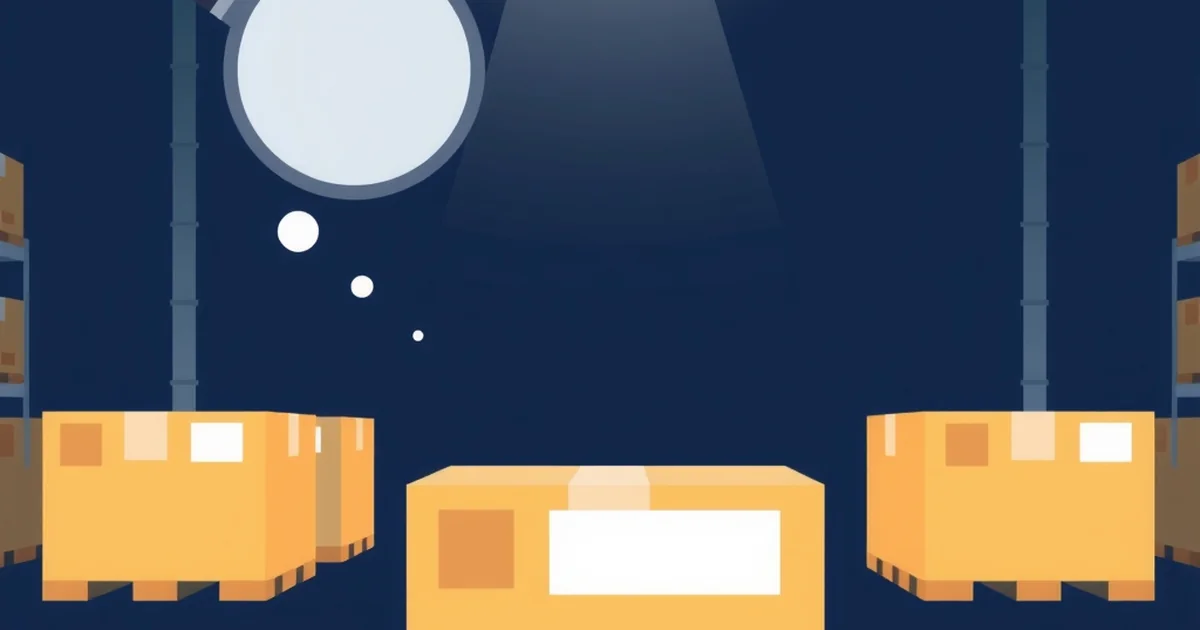
Goods receipt. This is the physical checkpoint where an incoming batch is supposed to be verified against the purchase order. In practice, most warehouses check quantity and packaging condition, not product authentication. A relabelled or substituted component passes the same visual check a genuine one would.
Once a fake or diverted item clears goods receipt, it moves into production and becomes indistinguishable from genuine stock. By the time a defect surfaces, whether that’s a quality failure, a warranty claim, or a regulator flag, tracing it back to the procurement stage takes weeks, not minutes.
Why this is a growing problem, not a static one
Supply chains have become longer and more fragmented, with more tiers of sub-suppliers between a brand and its raw materials. The OECD and EUIPO have repeatedly flagged that counterfeit trade in intermediate goods, components used in further manufacturing rather than finished consumer products, has grown faster than counterfeit trade in finished goods (OECD/EUIPO). That shift puts more pressure directly on the procurement function, which was never designed to be a brand-protection checkpoint.
For regulated sectors like pharmaceuticals and agrochemicals, this isn’t just a quality issue. A substituted active ingredient or an unverified agrochemical input entering at the procurement stage can trigger regulatory non-compliance long before it’s caught downstream, which is why regulatory traceability increasingly starts being designed in at goods receipt, not at the finished-product stage.

See Origin in action
Give every batch a verifiable identity checked the moment it clears goods receipt, not after it’s built into a finished product.
Explore OriginClosing the gap without adding a new system
The fix isn’t to bolt an entirely separate authentication process onto procurement. It’s to extend the traceability layer a brand already uses downstream, back into goods receipt.
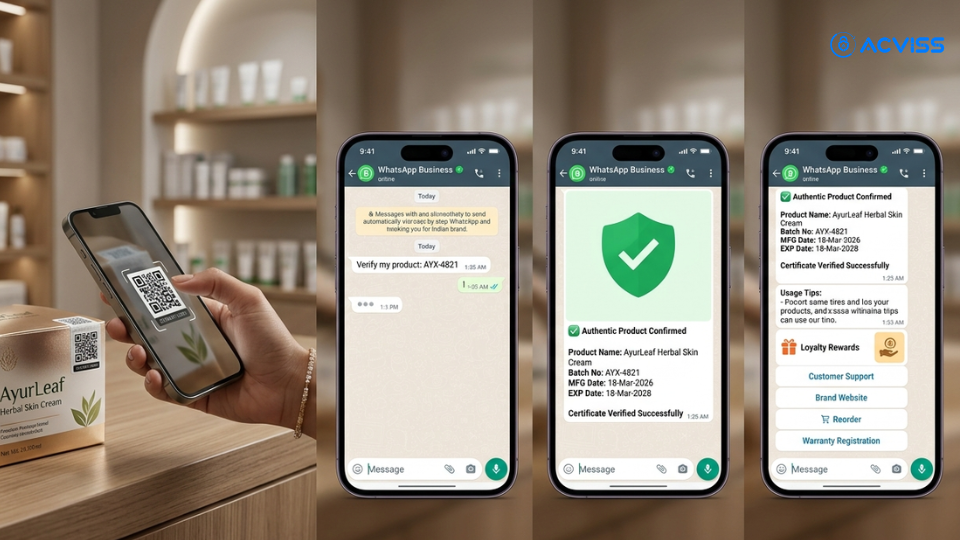
Acviss Origin gives every batch or component a verifiable, non-clonable identity that’s checked the moment it’s received, not after it’s already been built into a finished product. Instead of a purely visual or paperwork-based check at the warehouse dock, goods receipt becomes an actual verification point.
Because this runs through ERP integration, procurement teams don’t need a separate tool or a parallel workflow. The verification happens inside the same purchase-order-to-payment process they already run, and a flagged batch is visible to procurement, quality, and supply chain teams at the same time, not discovered separately by each.
What this looks like in practice
- A new supplier is verified before their first purchase order is approved, not after issues surface
- Every incoming batch is checked against its expected origin at goods receipt, not just its quantity and packaging
- A substituted or diverted item is flagged before production, cutting root-cause tracing from weeks to hours
- Procurement records stay linked to downstream batch-level traceability, so a recall or audit can trace all the way back to the original purchase order
Procurement and finance optimise for different things than brand protection
Procurement teams are measured on cost savings, supplier lead time and contract compliance. Finance teams are measured on invoice accuracy and payment cycle time. Neither function is measured on whether the material that entered the warehouse is what it claims to be, so authentication naturally falls outside both scorecards unless someone deliberately builds it in.
This is why counterfeit and diversion risk at the procurement stage tends to persist even in companies with mature supply chain integrity programmes further downstream. The P2P cycle and the traceability programme are usually run by different teams, on different systems, with no shared checkpoint. Closing that gap is less about adding new headcount and more about connecting two processes that already exist.
Where to start
Brands don’t need to overhaul procurement to close this gap. The practical starting point is mapping where the P2P cycle currently has zero visibility into supplier or material authenticity, usually goods receipt, and adding verification there first. From that single checkpoint, the same traceability data can extend forward into production and out to the finished product.
If your procurement cycle currently has no authentication checkpoint between supplier onboarding and goods receipt, that’s the best place to start. Talk to Acviss about mapping that gap in your own P2P process.

Is counterfeit risk entering before your product even reaches a shelf?
Book a free demo and see how Acviss’s Origin closes the gap at goods receipt, without bolting on a separate system.
Book a Free DemoRelated reading
Traceability Software: What to Look for Before You Buy
Search “traceability software” and you’ll get a wall of vendors that all claim real-time visibility, blockchain-backed rec

Instant Supply Chain Tracking: What It Actually Takes
“Instant” and “supply chain tracking” don’t usually belong in the same sentence for most brands. Real-time vis