
In this article
- Why manual tracking breaks down for physical goods
- What real transport-goods tracking actually looks like
- The cost of not tracking transport goods properly
- Where to start if you’re tracking transport goods for the first time
- Common mistakes brands make when tracking transport goods
- Frequently asked questions
Recent Posts
Supply Chain Mithileshkumar R NaikAug 10, 20267 min read
How to Track Transport Goods Across Your Supply Chain
 Mithileshkumar R NaikAug 10, 20267 min read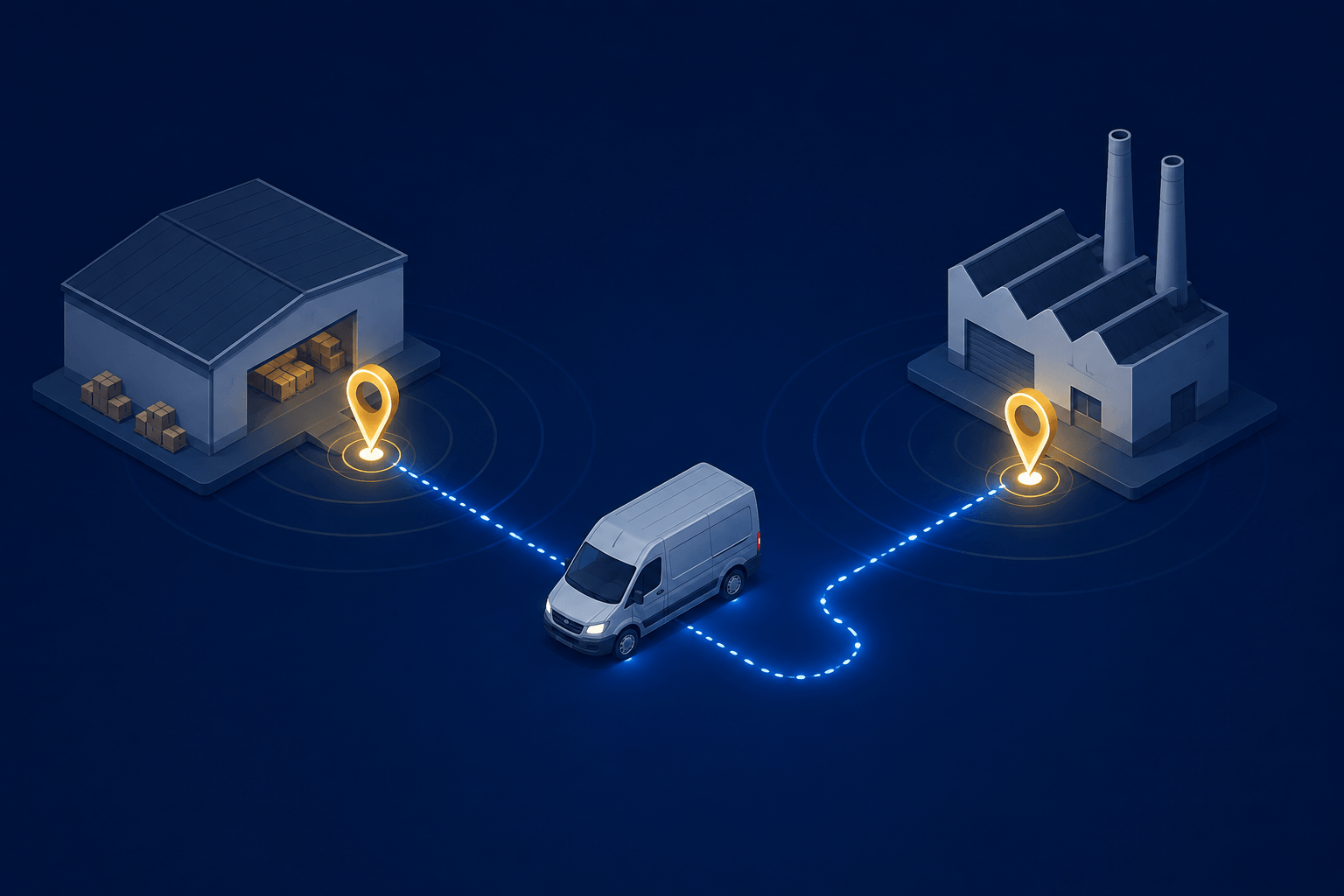
TL;DR
If you manufacture or distribute physical goods, you already know the moment a shipment leaves your factory gate is also the moment your visibility starts to fade. A pallet moves from your warehouse to a transporter, then to a regional distributor, then to a retailer, and at each handoff you’re trusting someone else’s paperwork to tell you where your product actually is. When something goes wrong, a delayed truck, a diverted batch, a shipment that never arrives at the right store, you find out days or weeks later, long after the problem could have been stopped.Tracking transport goods properly means knowing where every unit is, in real time, at every stage between production and the final point of sale, not just relying on an invoice trail that only tells you what was supposed to happen.- Visibility fades the moment a shipment leaves the factory gate, most brands are trusting paperwork, not real data, at every handoff.
- Manual and ERP-only tracking breaks down because it reports what was supposed to happen, not what actually happened to a specific unit.
- Real transport-goods tracking means knowing where every unit is in real time, at every stage from production to point of sale.
- Problems caught days or weeks late (a diverted batch, a delayed truck) could have been stopped immediately with the right tracking in place.
Why manual tracking breaks down for physical goods
Most brands still rely on a mix of ERP records, transporter GPS pings, and manual reconciliation at each warehouse. That works fine on paper, until you’re moving thousands of units across dozens of routes and multiple third-party logistics partners. A few things go wrong consistently:- Visibility gaps between handoffs. Your ERP knows a shipment left the factory and knows it eventually arrived at a distributor, but has no record of what happened to it in between, which is exactly where diversion, pilferage, and counterfeit substitution happen.
- No unit-level detail. Most transport tracking works at the shipment or invoice level, not the individual product level. If a pallet of 500 units goes missing 200 units, a shipment-level record won’t catch it.
- Reconciliation happens too late. By the time someone notices a mismatch between what left the warehouse and what arrived at the destination, the transporter, the driver, and the opportunity to investigate are all long gone.
What real transport-goods tracking actually looks like
A properly built tracking layer gives you three things a spreadsheet or a transporter’s app never will:1. Unit-level or batch-level identity
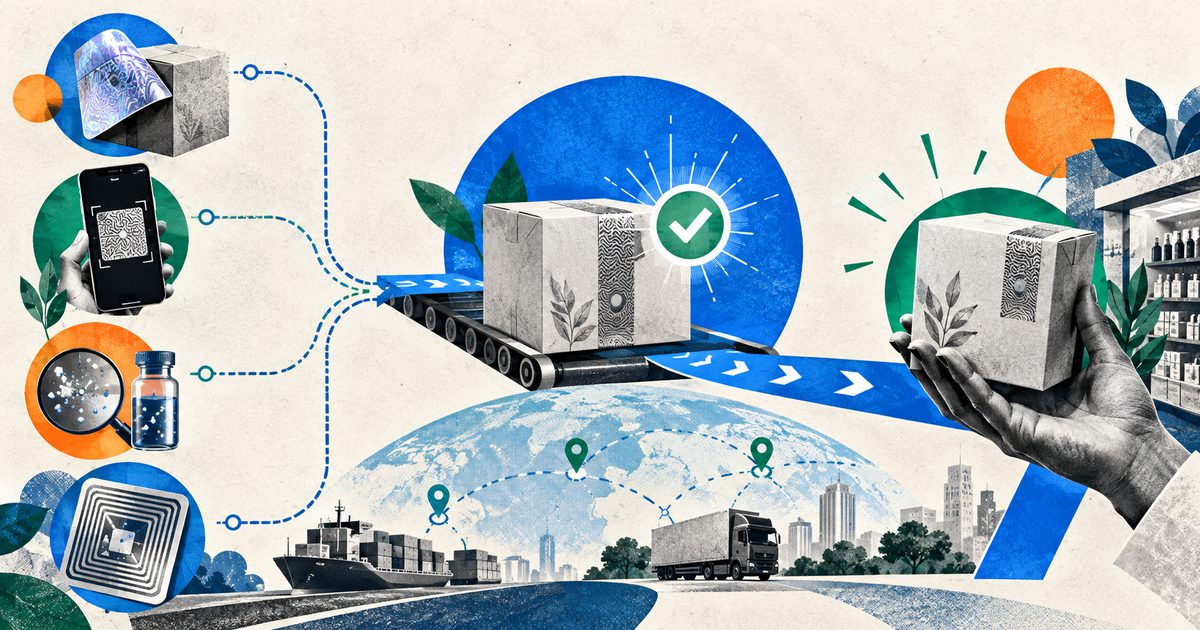
Every product, or at minimum every batch, carries a unique, scannable identity, a QR code or 2D code applied at the point of manufacture. This identity travels with the product through every stage of transport, so you’re tracking the actual goods, not an abstraction of them.2. Checkpoint scanning at every handoff
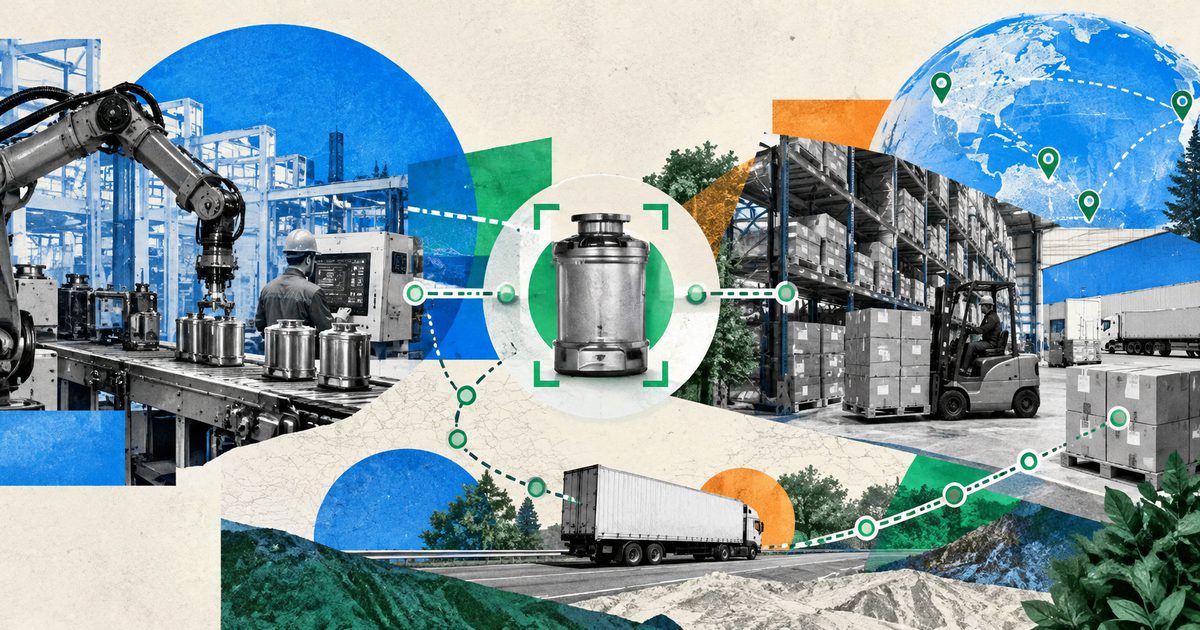
Instead of trusting a single “shipped” and a single “delivered” timestamp, each transfer point, warehouse loading, transporter pickup, distributor receiving, retail intake, gets its own scan event. If a batch goes missing between two checkpoints, you know exactly where the gap opened up.3. Geofenced alerts for route deviation
When a shipment’s scan location falls outside its expected route or region, that’s flagged automatically instead of surfacing three weeks later in a reconciliation report. This is particularly important for brands dealing with grey-market diversion, where genuine product gets rerouted into unauthorized markets at a discount.Acviss’s Origin platform builds this exact layer on top of your existing operations: blockchain-backed batch records, QR-based serialization at the product or case level, and geofencing that flags a shipment the moment it strays from its intended route. It plugs into ERP systems like SAP and Microsoft Dynamics rather than replacing them, so your existing logistics workflow stays intact while the tracking layer runs underneath it.
See Origin in action
Track every unit from factory gate to final point of sale, not just the paperwork trail between them — the exact ERP traceability gap our guide on why ERP isn’t enough for manufacturing traceability walks through.
Explore OriginThe cost of not tracking transport goods properly
According to the FICCI CASCADE committee’s research on illicit markets, unmonitored supply chain leakage is one of the largest contributors to counterfeit and grey-market losses in India across FMCG, agrochemicals, and pharmaceuticals. When brands can’t verify where a batch went, they can’t prove where a fake entered the picture either, which makes both enforcement and recovery far harder after the fact.One agrochemical manufacturer that deployed Acviss’s Origin platform across six manufacturing plants and twenty warehouses in India had exactly this problem: products were being smuggled across regions and resold outside authorized channels, with no visibility into where the leakage was actually happening. Real-time tracking at every supply chain stage, tied to a unique code on every unit, closed that gap. We cover the details of that rollout in our piece on instant supply chain tracking solutions.Where to start if you’re tracking transport goods for the first time
You don’t need to instrument your entire supply chain on day one. A practical rollout usually starts with:- Identifying your highest-risk SKUs, the products most likely to be diverted, counterfeited, or lost in transit
- Applying unique codes at the manufacturing or packaging stage for those SKUs first
- Wiring up scan checkpoints at your existing warehouse and distribution touchpoints, rather than adding new physical infrastructure
- Reviewing the first few weeks of scan data to catch obvious gaps before scaling to the rest of your catalogue
Common mistakes brands make when tracking transport goods
Even brands that invest in tracking infrastructure often undermine it with a few avoidable choices:- Tracking only the primary package, not the secondary and tertiary packaging. A carton might carry a code, but if the pallet or case it ships in doesn’t carry a linked parent code, you lose the ability to track in bulk and have to scan every single unit individually at each checkpoint, which nobody has time to actually do.
- Treating tracking data as a compliance record instead of an operational tool. If scan data only gets reviewed during an audit or after a loss has already happened, you’ve missed the entire point of real-time visibility. The value is in catching a deviation while the shipment is still in transit, not in reconstructing what happened after the fact.
- Rolling out to the entire catalogue at once. Trying to instrument every SKU across every plant simultaneously usually means the rollout stalls under its own complexity. Starting with your highest-risk products and expanding once the process is proven gets you usable data faster.
- Assuming your transporter’s GPS data is enough. A GPS ping tells you where a vehicle is. It doesn’t tell you whether the vehicle still contains the goods it started with, or whether a batch inside it has been swapped, opened, or split off along the way. Vehicle tracking and product tracking answer different questions, and you need both.
Frequently asked questions
Does this replace our existing ERP or logistics software?
No. The tracking layer integrates with your existing ERP (including SAP and Microsoft Dynamics) and logistics workflow. It adds unit-level visibility on top of the systems you already run, rather than replacing them.Do we need to redesign our packaging to add tracking codes?
Not necessarily. Codes can typically be printed directly into existing packaging or applied as a label at the current production stage, without a full packaging redesign.What happens if a shipment shows a scan gap between two checkpoints?
You get an alert tied to the specific batch and route, so your team can investigate that exact leg of the journey rather than starting an investigation from scratch across the entire supply chain.If leakage, diversion, or counterfeit substitution is already showing up somewhere in your distribution network, the first step is knowing exactly where your products go missing. Talk to the Acviss team about Origin to see how track and trace fits into your existing operation.
Still finding out about shipment problems days after they happened?
Book a free demo and see how Acviss’s Origin tracks transport goods in real time, at every handoff.
Book a Free DemoRelated reading
Traceability Software: What to Look for Before You Buy
Search “traceability software” and you’ll get a wall of vendors that all claim real-time visibility, blockchain-backed rec

Instant Supply Chain Tracking: What It Actually Takes
“Instant” and “supply chain tracking” don’t usually belong in the same sentence for most brands. Real-time vis