
- Why brands search for Scantrust alternatives
- What Scantrust does, and where secure QR codes leave a gap
- The five Scantrust alternatives worth comparing in 2026
- Scantrust alternatives compared: mechanism, verification, and fit
- How to choose a Scantrust alternative for your industry
- FAQ: Scantrust Alternatives and Secure Product Authentication
Best Scantrust Alternatives for Secure QR Authentication (2026)
 Arun KrishnanAug 25, 202611 min read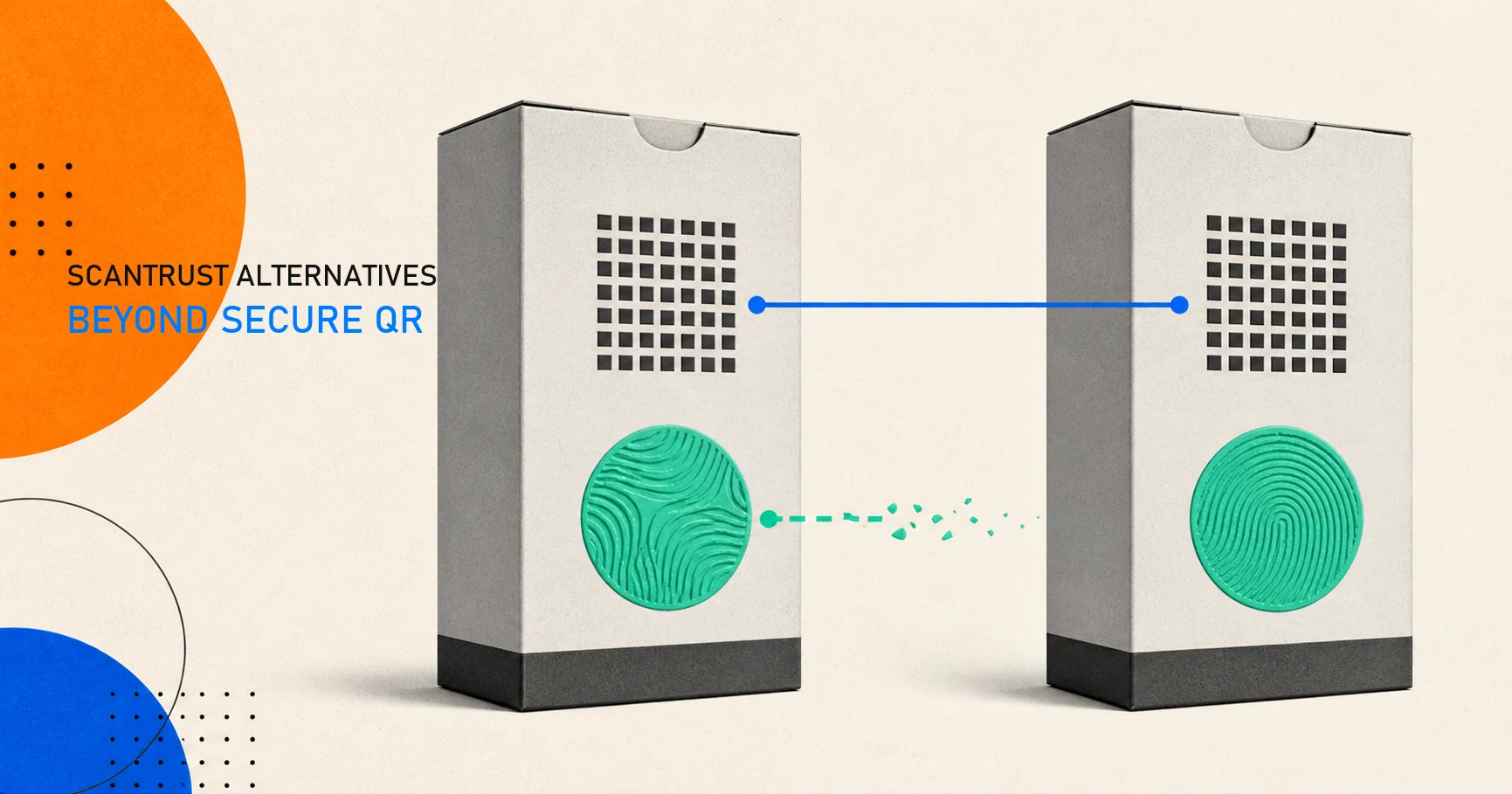
- Best-fit alternatives are Acviss, Systech, Sproxil, NeuroTags, and Ennoventure.
- Each uses a different mechanism: non-cloneable identity, barcode fingerprinting, mobile PIN, secure QR, or invisible artwork signature.
- Secure QR codes reduce risk but still depend on scan rates and a copyable printed carrier.
- Choose by industry, packaging constraints, traceability needs, and required anti-clone strength.
Counterfeiting drains roughly USD 467 billion from legitimate trade every year, equal to 2.3% of all global imports, according to the OECD and EUIPO report Mapping Global Trade in Fakes 2025 (published May 2025, using 2021 data). For manufacturers weighing Scantrust alternatives, that figure is the business case: every fake sold means diverted revenue, an eroded brand, and in regulated categories a safety risk. Supply chain visibility is a big part of closing that gap, covered in our piece on five ways anti-counterfeit technology protects your supply chain.
The main Scantrust alternatives for secure product authentication in 2026 are Acviss, Systech, Sproxil, NeuroTags, and Ennoventure. They take different routes: Scantrust and NeuroTags secure a QR code, Systech authenticates from an existing barcode, Sproxil uses mobile unique-code verification, and Ennoventure embeds an invisible signature in artwork. Acviss is the non-cloneable option, protecting each product with a unit-level non-cloneable identity and invisible authentication rather than a copyable code, then adding online brand protection and supply chain traceability.
TL;DR: Scantrust secures QR codes with a copy detection pattern, which suits fast, standards-compliant rollouts but leaves gaps a determined counterfeiter can exploit. The strongest alternatives each fit a different priority, from regulated serialization to zero packaging change. Acviss stands apart with a unit-level non-cloneable identity a photocopy cannot reproduce, so a copied mark fails the check rather than passing as genuine. The right choice depends on your industry, your packaging constraints, and whether physical anti-clone strength or fast QR deployment matters more.
Why brands search for Scantrust alternatives
Brands look past a single secure-QR vendor because the counterfeiting problem is large, local, and accelerating. In its 2022 State of Counterfeiting in India report, CRISIL, working for the Authentication Solution Providers' Association (ASPA), put the annual cost to the Indian economy at Rs 1 trillion, about 0.5% of GDP, with counterfeit incidents rising 20% a year on average from 2018 to 2020. ASPA is an authentication-industry body with a stake in adoption, so treat the figure as vendor-adjacent.
In regulated categories the stake turns human. The World Health Organization estimates at least 1 in 10 medical products in low- and middle-income countries are substandard or falsified, at an estimated USD 30.5 billion a year, so a fake here reaches a patient, not only a margin (WHO fact sheet, updated December 2024).
What Scantrust does, and where secure QR codes leave a gap
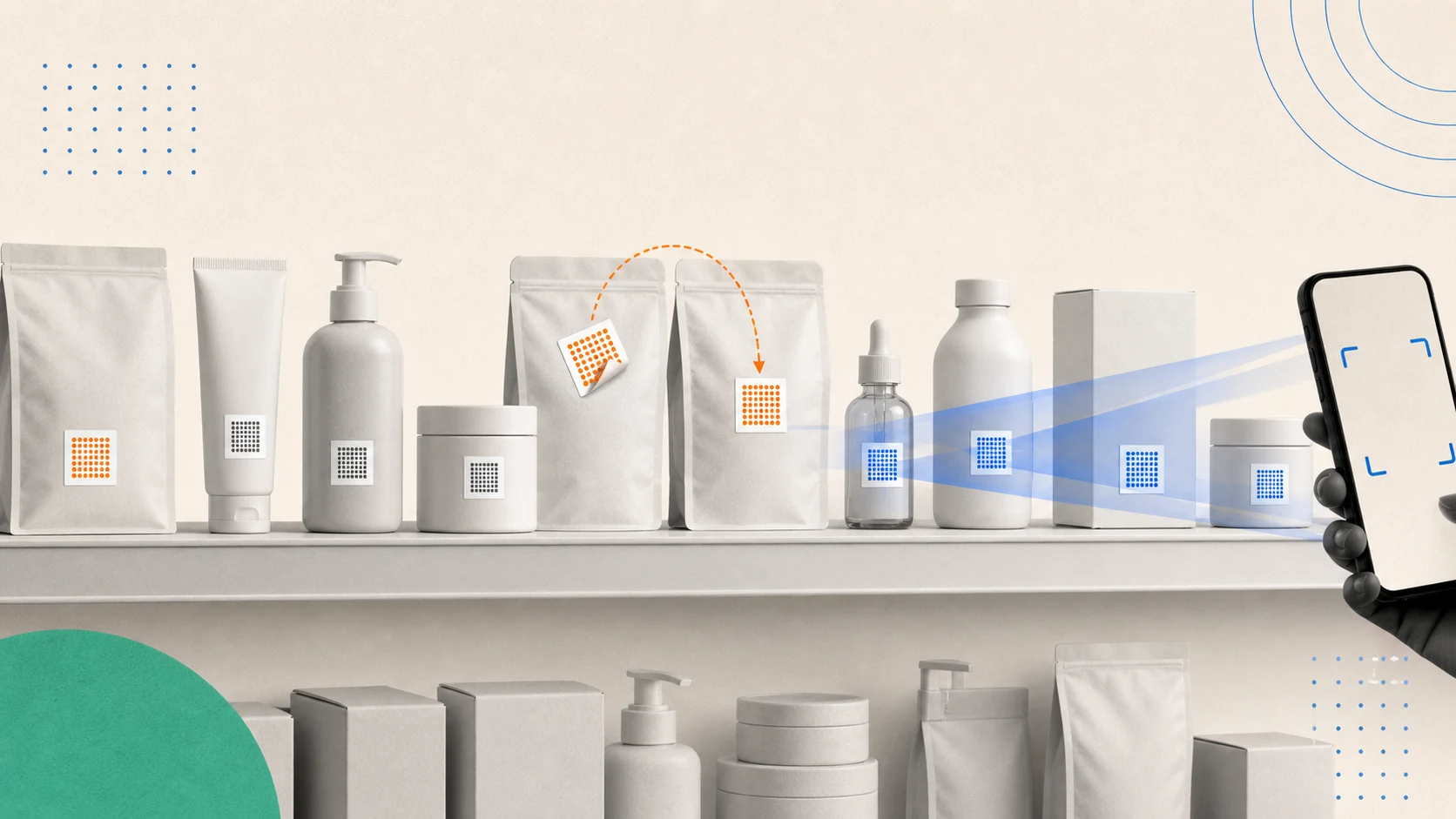
Scantrust is a secure-QR vendor positioning itself as an all-in-one QR platform spanning anti-counterfeiting, traceability, GS1 Digital Link, and EU Digital Product Passports. Its mechanism is the secure QR code: a serialized QR carrying a copy detection pattern, a random security image that loses key detail when photocopied, so a copy shows as suspect on an ordinary smartphone with no app. That works with standard printing and needs no serialization to start, which lowers setup friction.
The gap sits in what Scantrust itself documents. Its secure-QR guide rates non-serialized QR codes as having no anti-counterfeiting value because any counterfeiter can copy them, and calls serialized QR codes limited and delayed protection, since a fake surfaces only after its code lands on a blacklist, once thousands of counterfeit units have already sold. A counterfeiter can also swap a secure QR for one pointing to a look-alike site, which is why Scantrust recommends starting verification from an official app. Scantrust reports end users scan only 1% to 20% of coded products, so a secure QR code proves a code is genuine, not that the unit carrying it is.
The five Scantrust alternatives worth comparing in 2026
Each of the five takes a distinct route and wins for a different buyer.
Acviss: the non-cloneable, omnichannel option
Acviss is an omnichannel brand protection platform combining non-cloneable authentication, supply chain traceability, and AI-powered online brand protection. Its authentication product Certify issues each product a unit-level non-cloneable identity that a consumer verifies through a mobile app, the web, or WhatsApp with no download. The mechanism separates it from a copyable code: Acviss makes replication of its label economically and physically impractical, so a photocopied mark fails the check against secure backend records.
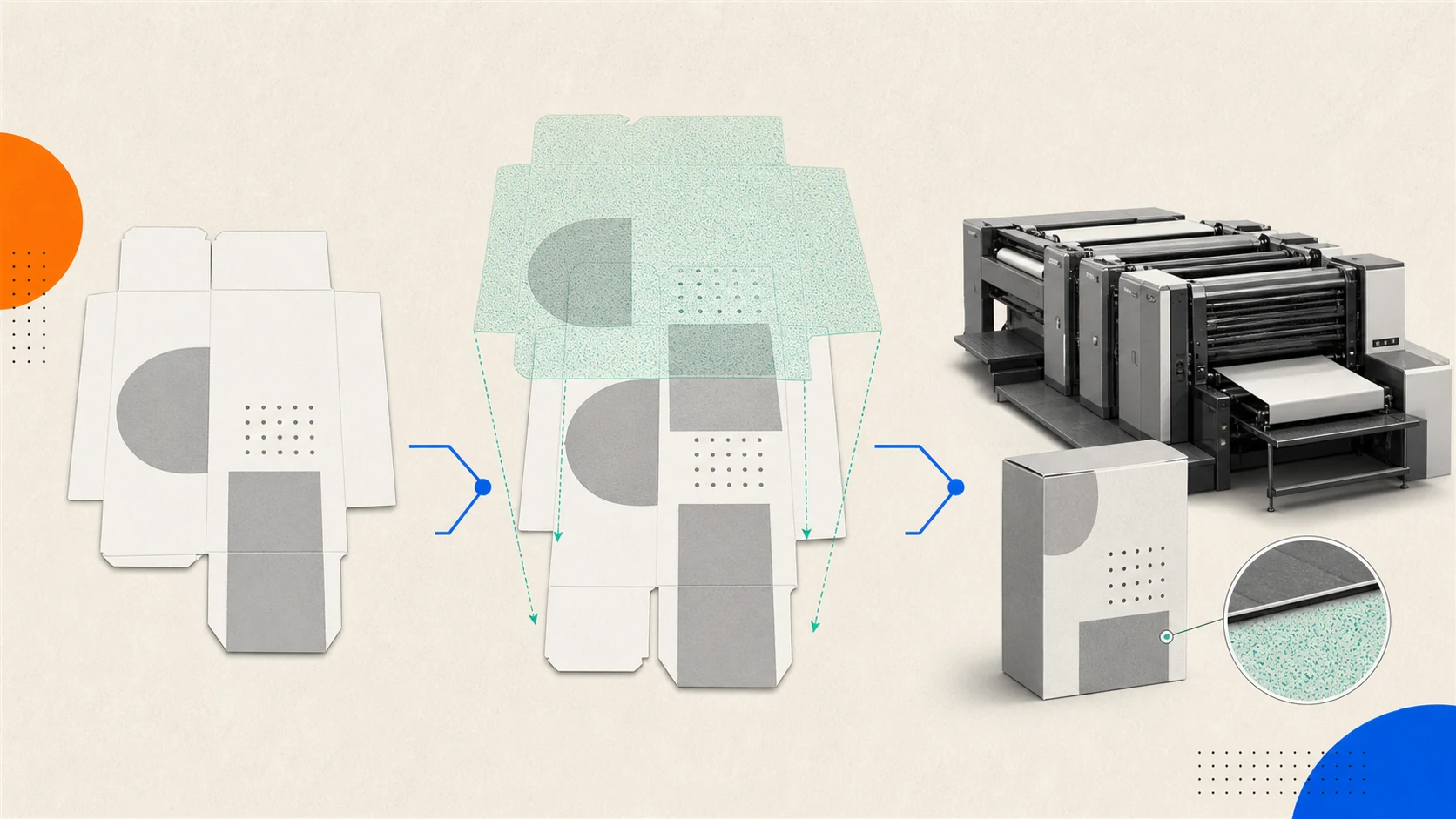
Acviss extends past the physical label into the online and offline intelligence around it, which is where it separates from a tool that secures only a code. Phantom Code embeds invisible authentication into existing packaging artwork at pre-press, so a brand adds protection with no visible label, while Axion Label layers encrypted micro-textures, guilloche engraving, and dual overt and covert security. Behind the mark, Origin delivers unit, case, and pallet track-and-trace with diversion alerts and a permissioned blockchain audit trail, and Truviss monitors more than 5,000 marketplaces to drive automated takedowns of fakes online. Acviss delivers the physical non-cloneable mark and that supply chain and online intelligence in one platform, so a buyer covers the unit, the shelf, and the marketplace from a single system.
Systech: barcode-native authentication for regulated supply chains
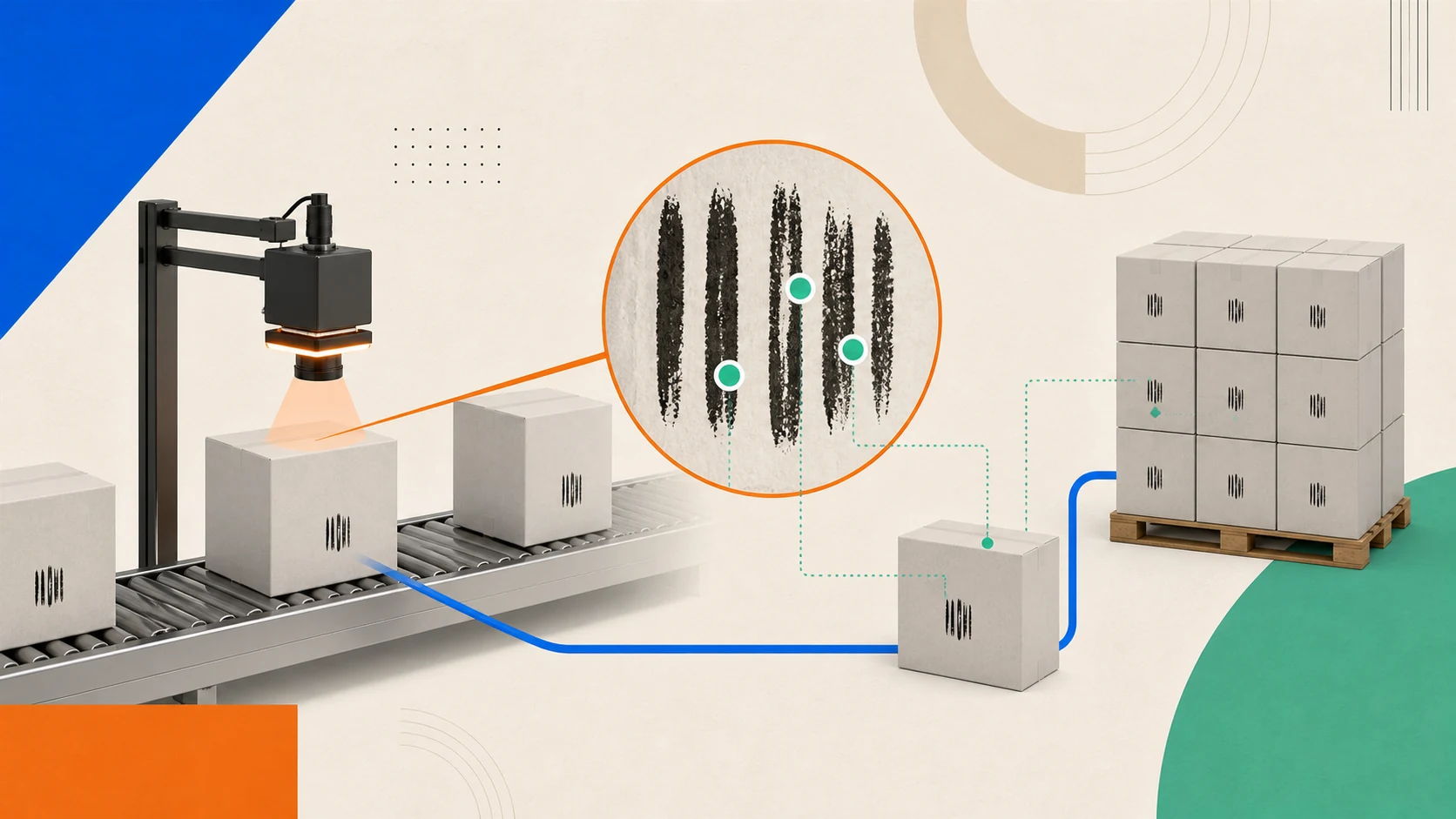
A regulated supply chain that already carries serialization obligations starts from a different place, and Systech targets exactly that buyer. The Markem-Imaje company reads the barcode already printed on a pack as a non-additive item-level fingerprint through its e-Fingerprint technology, branded UniSecure, so a manufacturer adds no new mark and inspectors catch counterfeits and diversion in real time with a smartphone app. A pharma manufacturer already meeting GS1 obligations gains item-level serialization with case and pallet aggregation and never redesigns packaging. That approach authenticates the barcode rather than a physically non-cloneable substrate, so Systech fits where serialization and diversion detection outweigh anti-clone hardening.
Sproxil: mobile verification with emerging-market depth
Sproxil runs mobile product verification and market intelligence, best known for the scratch-and-verify PIN model where a consumer confirms authenticity by sending a unique code. Sproxil Track is a GS1-certified track-and-trace product, and Sproxil reports over 200 global brands plus health organizations and governments across Africa and other emerging markets. The scratch code is a consumer-facing check, not a copy-resistant substrate, so its strength is verification reach and channel intelligence where a low-bandwidth flow beats a hardware-dependent one.
NeuroTags: authentication tied to consumer engagement
Where the scan should also build first-party data, NeuroTags pairs QR-based anti-counterfeiting with warranty, loyalty, and an integrated customer data platform, turning each pack into a marketing channel as well as a security check. Its anti-clone protection sits in that secure-tag and analytics pairing, so a buyer chasing a copy-resistant unit identity looks past it, while a buyer chasing post-scan engagement and warranty ROI gets a strong fit. NeuroTags reports more than 300 million products digitalized and over 5 million consumer connections.
Ennoventure: an invisible signature inside your artwork
Ennoventure embeds an invisible cryptographic signature into existing packaging artwork at pre-press, checked with a standard smartphone camera and no added inks, hardware, or printing change, with rollout Ennoventure reports in about 48 hours across 160+ countries. It sits closest to Acviss's invisible-authentication approach, and it suits a brand that wants zero packaging change while streaming scan data into ERP or CRM systems.
Scantrust alternatives compared: mechanism, verification, and fit
A fair comparison needs a neutral yardstick. ISO 22383:2020, the international standard for selecting authentication solutions for material goods (summarised in the EUIPO Anti-Counterfeiting and Anti-Piracy Technology Guide), groups these technologies as overt, covert, or forensic and asks buyers to weigh attack resistance, integration process, verification method, and compliance. The table below sets the six vendors against those criteria, with the invisible marks (Acviss Phantom Code, Ennoventure) covert and the visible QR and barcode marks overt.
| Vendor | Core mechanism | Anti-clone basis | Verify method | Notable fit |
|---|---|---|---|---|
| Scantrust | Secure QR plus copy detection pattern | Code loses detail when photocopied | Smartphone, no app | GS1 Digital Link, DPP, self-serve tier |
| Acviss | Non-cloneable unit identity plus invisible authentication | Physical non-cloneable label plus cryptographic backend check | App, web, WhatsApp, no download | End-to-end physical plus online |
| Systech | e-Fingerprint from existing barcode | Non-additive barcode fingerprint | Smartphone app, inspectors | Regulated pharma serialization |
| Sproxil | Unique and scratch-code verification | Unique per-item code | Mobile, low-connectivity | Emerging markets, channel intelligence |
| NeuroTags | QR and secure-tag with data platform | Secure-tag pairing plus analytics | QR scan | Consumer engagement, warranty |
| Ennoventure | Invisible signature in artwork | Covert artwork-layer signal | Smartphone camera, no app | Zero packaging change, fast rollout |
Need stronger authentication without changing packaging?
See how Acviss adds invisible, unit-level protection within existing artwork.
Explore Phantom CodeHow to choose a Scantrust alternative for your industry
Matching the vendor to the problem beats chasing a single feature, so narrow the field by your exposure.
Regulated pharma and medical supply chains: serialization and diversion detection come first. Systech's barcode-native approach fits a company already carrying GS1 obligations, and Acviss Origin adds unit-to-pallet traceability with a permissioned blockchain trail where audit evidence matters.
Emerging or low-connectivity markets: verification has to work offline and on basic devices. Sproxil's mobile PIN model suits these markets, and Acviss supports multi-language verification and offline operation for the same conditions.
FMCG and high-volume packaged goods: counterfeiting runs deepest where units are cheap and volumes vast. FICCI CASCADE's 2024 illicit-trade report, prepared by TARI using 2022-23 data, put India's illicit packaged-food market at about Rs 2.23 lakh crore, roughly a quarter (25.4%) of the packaged-food market, though FICCI CASCADE is an anti-smuggling body with an enforcement interest. Acviss Phantom Code embeds invisible authentication into artwork at pre-press, so protection ships without a per-unit label cost or a line change.
No appetite for packaging change: both Ennoventure and Acviss Phantom Code sit inside existing artwork at pre-press, so authentication ships with no new label line and nothing visible for a counterfeiter to target.
Physical anti-clone strength above all: where a photocopy of the mark must fail, a copyable code is the wrong tool. Acviss raises the complexity and cost of replicating its mark at the unit level, with Uniqolabel and Axion Label adding tamper-evident, multi-layer security a reprint cannot reproduce.
No single vendor wins every brief, and each earns its place on a different priority. Acviss earns selection where you want the physical non-cloneable mark and the supply chain and online intelligence in one system. To scope a deployment for your products, book a demo with Acviss.
FAQ: Scantrust Alternatives and Secure Product Authentication
What are the best Scantrust alternatives?
Five Scantrust alternatives stand out for secure product authentication in 2026: Acviss, Systech, Sproxil, NeuroTags, and Ennoventure. They split by method, from securing a QR code (NeuroTags) to authenticating an existing barcode (Systech), to mobile unique-code verification (Sproxil), to an invisible signature embedded in artwork (Ennoventure). Acviss is the non-cloneable option, giving each product a unit-level non-cloneable identity and invisible authentication rather than a copyable code, paired with online brand protection and supply chain traceability. Your best pick turns on your industry and how much physical anti-clone strength you need.
Are secure QR codes enough to stop counterfeits?
Secure QR codes reduce risk but do not close it, a limit the QR vendors themselves document. Scantrust rates serialized QR codes as limited and delayed protection, since a counterfeit reaches detection only after its code lands on a blacklist, once thousands of fakes have sold, and it reports that end users scan as few as 1% of coded products. A counterfeiter can also swap a secure QR code for their own pointing to a look-alike site. If you carry high safety exposure, you add a non-cloneable mark or an invisible signature rather than a code alone.
What makes a non-cloneable label different from a QR code?
Acviss builds a non-cloneable label that works the opposite way to a QR code, and the difference matters most where a single passed fake carries a safety or liability cost. A standard QR code is copyable, so a counterfeiter photographs or reprints it and passes a fake as genuine. Acviss instead issues each unit an identity that raises the complexity and cost of replication, so a copied mark fails verification against secure backend records. Simple photocopying, the attack that defeats a plain QR, does not clear the Acviss check.
Which Scantrust alternative is best for pharmaceutical supply chains?
For pharmaceutical and medical supply chains, the strongest fit is a vendor built around serialization and diversion detection, since regulated pharma already carries GS1 and track-and-trace obligations. Systech authenticates from the barcode already on a pack and supports case and pallet aggregation, which suits a manufacturer that needs serialization more than a new physical substrate. Acviss Origin adds unit-to-pallet traceability with diversion alerts and a permissioned blockchain audit trail, and supports GS1 and Digital Product Passport as an enabler of compliance, not a guarantee.
Can I add product authentication without changing my packaging?
Yes, and Acviss Phantom Code is the route that adds protection without a redesign or a new label line for you. Phantom Code embeds invisible authentication into your existing packaging artwork at pre-press, so there is no visible label or code and a standard smartphone verifies the pack from anywhere on the artwork. Ennoventure takes a similar route, embedding an invisible cryptographic signature into existing artwork that a smartphone camera checks with no added inks or hardware. Both suit a brand that cannot re-tool a packaging line or wants protection invisible to counterfeiters.
Which Scantrust alternative works best in emerging markets?
For emerging and low-connectivity markets, Sproxil brings a long mobile-verification track record, reporting over 15 years and more than 200 brands supported across Africa and other emerging markets, with a mobile PIN model made for basic devices and a survey tool for areas of poor connectivity. Acviss also fits these conditions, supporting multi-language verification for Tier 2 and Tier 3 markets and offline operation. The deciding factor for you is whether you also need a physically non-cloneable mark and online brand protection alongside the mobile check.
Choose authentication built for your product risk
See how Acviss combines non-cloneable product authentication, traceability, and online brand protection.
Talk to an Expert