
The Growing Threat of Counterfeiting in the Footwear Industry
 Arun KrishnanMar 11, 20255 min read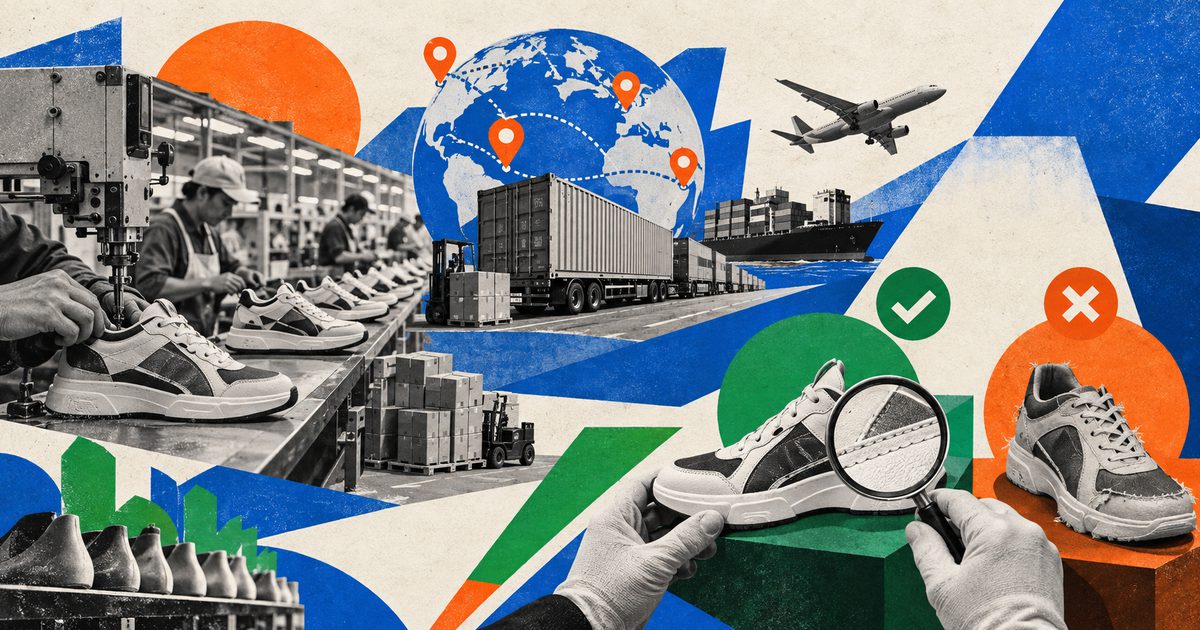
- The footwear industry faces heavy counterfeiting pressure due to strong brand recognition and high resale value on popular models.
- Counterfeit shoes often replicate packaging and branding closely enough to fool casual buyers, especially in online marketplaces.
- Beyond lost sales, fake footwear can use substandard materials that pose real comfort and safety issues for wearers.
- Authentication technology helps footwear brands verify genuine products at retail and online points of sale.
Counterfeit footwear refers to shoes that closely imitate a genuine brand’s design, packaging, and branding without authorisation, typically made from substandard materials that compromise comfort, durability, and safety.
The Market for the Footwear Industry
The footwear industry has seen unprecedented growth in recent years. Celebrity endorsements and a boom in the high-end fashion market have made shoes a coveted product. Consumers are looking for comfort with aesthetics. The increased awareness about fitness regimens and high-intensity workouts means people are conscious of the brand and offerings of the product. A significant share of customers would stretch their budget to buy sports shoes that fit their health goals. Amid a growing customer base, high-end and sports shoes are gaining popularity on many e-commerce websites.Thorn in the shoe? The issue of counterfeit footwear
Vikas Jain, founder of ACVISS, mentions. “The footwear industry is doing well and might continue to do so.” But as someone who has helped brands in fighting counterfeiting with technology, Vikas is sceptical. “When the demand for a product rises and the product becomes coveted, the risk of counterfeit increases,” says Vikas. The current standing of the industry is a result of the reputation the brands have built for themselves. “When a customer buys Skechers, Reebok, Prada, and other high-end brands, they place their trust in the quality. People stretch their budgets to buy a reputed brand of footwear. If a customer ends up with a fake product in such a scenario, they feel dejected and cheated. Imagine looking at your favourite celebrity endorsing footwear. You work tirelessly to buy the prestigious product. You save every penny and hope to get the best deal. When you can finally make the buy, and it turns out to be a fake, you have no point of return. The brand then loses a loyal customer,” says Vikas.
See Certify in action
See how Certify authenticates footwear and protects brand value at the point of sale.
Explore CertifyCounterfeit Footwear can Endanger Buyers
Besides brand value, counterfeit footwear can endanger buyers. Running shoes and footwear meant to aid in physiotherapy go through multiple quality checks. A slip in quality can lead to injuries, accidents, and fatalities. Counterfeit footwear evades checks and regulations. Imagine fake footwear that does not meet the criteria for necessary shock absorption. Such footwear can impair a player on a field with a hard surface. Slip resistance is another vital safety check for footwear. A genuine brand will ensure that the footwear has sufficient resistance to the intended activity. “The soles have a soul. Footwear design is a blend of art and science. But for counterfeiters sitting in shady factories, a shoe is just about milking money from customers,” states Vikas. Even with luxury and sports brands aside, footwear is a product that people use every day. Shoes are subject to rough use and wear and tear. So, even daily use footwear is in high demand. Duplication is easy. The counterfeit footwear appears exactly like a genuine product. With increased demand, counterfeit footwear has become a thriving industry.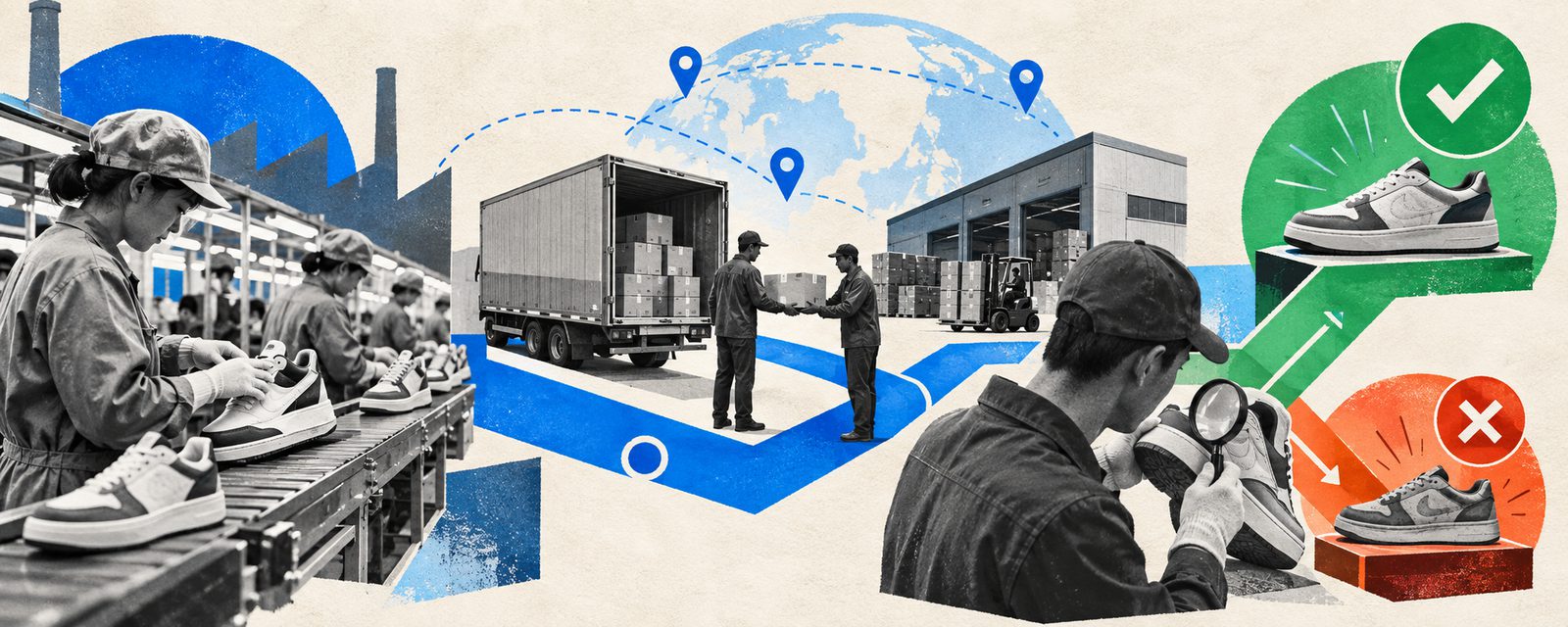
Consumer Health Risks
Counterfeit footwear can lead to significant health and safety issues for consumers due to poor materials and substandard manufacturing processes.- Lack of Support: Counterfeit shoes often lack proper cushioning and arch support, leading to foot pain, blisters, and increased risk of injuries.
- Long-Term Health Problems: Wearing poorly designed footwear can cause joint strain, back pain, and posture issues over time.
- Harmful Materials: Many counterfeit shoes are made from toxic substances like cheap adhesives or synthetic dyes, which can trigger skin irritations or allergic reactions.
- Durability Issues: These products wear out quickly, increasing the risk of falls or accidents, especially during sports or physical activities.
- Misleading Safety Standards: Counterfeit items bypass quality assurance checks, making them unsafe for regular use, especially for children or the elderly.
How can Brands Prevent Counterfeiting in the Footwear Market?
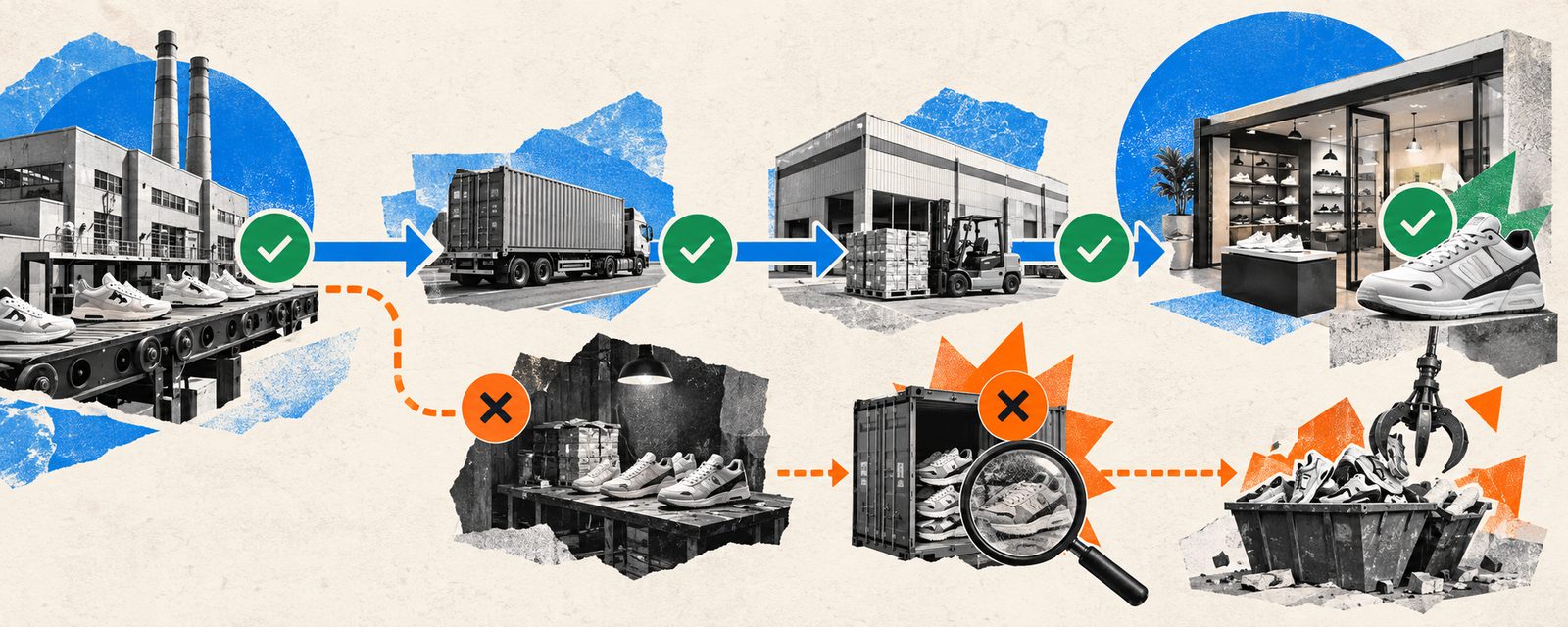
The solution to counterfeit footwear is to understand the source and reason for fakes. Are customers willing to buy look-alike products? Owning a luxury brand gives people a sense of pride. “You become a part of the elite group,” says Vikas. But high-end brands are expensive. So many fans end up settling for a look-alike product. “In that case,” says Vikas, it is important to have overt and covert markers that stand out. Additionally, brands can set up loyalty and reward points to incentivize genuine buyers.” Along with customer awareness, brands can implement anti-counterfeit technology that integrates with packaging. Brands have been using some technology like markers, codes, and serializations. Vikas further advises, “With luxury footwear brands entering e-commerce, securing the supply chain is essential. Along with regular vendor audits, brands can use blockchain, online fraud detection tools, serialization, and anti-counterfeiting technology to track product journeys. “ For most footwear brands, outsourcing manufacturing is a cost-efficient method of production. So the product travels through a global supply chain.
Given the industry trend, there is a need to take proactive measures to prevent counterfeit footwear. Will brands walk that extra mile? Get in touch with us and secure your brand in the global market today.
Additionally, brands can set up loyalty and reward points to incentivize genuine buyers.” Along with customer awareness, brands can implement anti-counterfeit technology that integrates with packaging. Brands have been using some technology like markers, codes, and serializations. Vikas further advises, “With luxury footwear brands entering e-commerce, securing the supply chain is essential. Along with regular vendor audits, brands can use blockchain, online fraud detection tools, serialization, and anti-counterfeiting technology to track product journeys. “ For most footwear brands, outsourcing manufacturing is a cost-efficient method of production. So the product travels through a global supply chain.
Given the industry trend, there is a need to take proactive measures to prevent counterfeit footwear. Will brands walk that extra mile? Get in touch with us and secure your brand in the global market today.Frequently Asked Questions
How can I tell if a pair of shoes is counterfeit?
Check stitching quality, sole material, and packaging against the brand’s official product images, and buy only from authorised retailers or the brand’s own verification tools where available.
Is counterfeit footwear actually unsafe, or just lower quality?
Both. Beyond lost brand value, counterfeit shoes often lack proper cushioning and arch support and can use toxic adhesives or dyes, creating real comfort and health risks for wearers.
How can footwear brands protect against counterfeits?
Combining overt and covert authentication markers on packaging with anti-counterfeit technology at retail and online points of sale lets brands verify genuine products before a customer completes a purchase.

Stop counterfeit footwear from undercutting your brand
Book a free demo and see how Certify protects your footwear brand from fakes.
Book a Free Demo