
How a Hologram Manufacturer Launches a Branded Verification App in Four Weeks
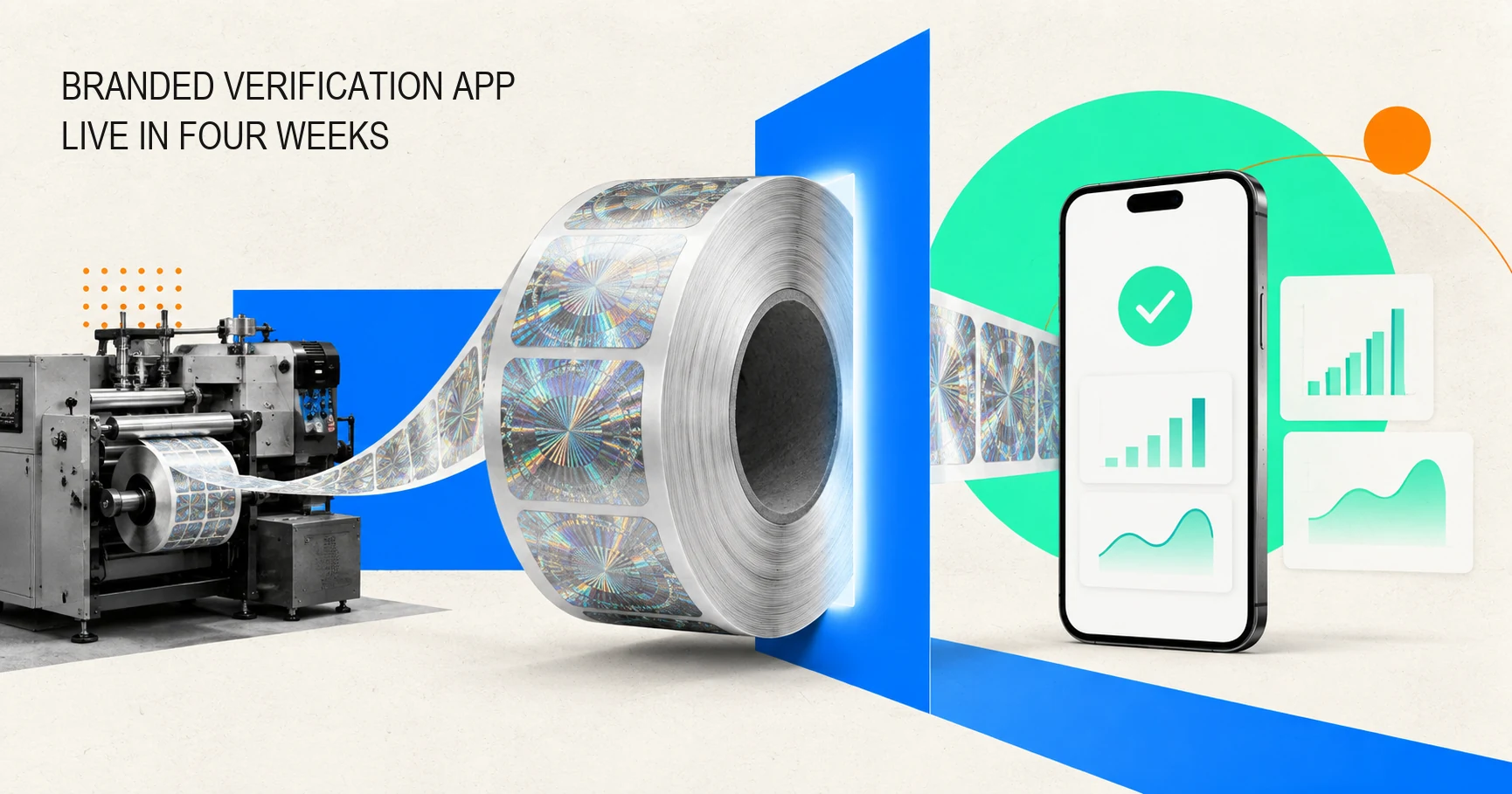
- Resell a fully branded verification platform without an in-house software team.
- Configuration and testing take roughly two weeks; public app-store launch follows around week four.
- App-store review remains the main timing variable.
- You keep the customer relationship, scan data, and recurring software revenue.
A hologram or label manufacturer that sells only the physical label is starting to look incomplete to its own customers. Brands want a verification app, scan analytics and a way to engage the consumer who scans, and when you cannot offer that software layer, they hand it to another vendor who can.
You can close that gap without a software team. The route is to resell a white-label verification platform under your own name, and the realistic window from starting work to a live public app is about four weeks. This guide is the runbook.
Why brands now expect an app on top of your label
The pressure on your customers is measurable. The OECD valued trade in counterfeit goods at about USD 467 billion in 2021, equal to 2.3 percent of world imports, concentrated in clothing, footwear and electronics (OECD, Mapping Global Trade in Fakes 2025).
For the brands buying your labels, that is a hit to revenue and to trust. It is also why they increasingly want a way to let their own customers verify a product, and to see for themselves where fakes surface.
That expectation is your commercial opening. A brand that wants verification, analytics and engagement buys it from whoever offers the software. Ship only a hologram and you compete on price, while the vendor with the app captures the recurring revenue.
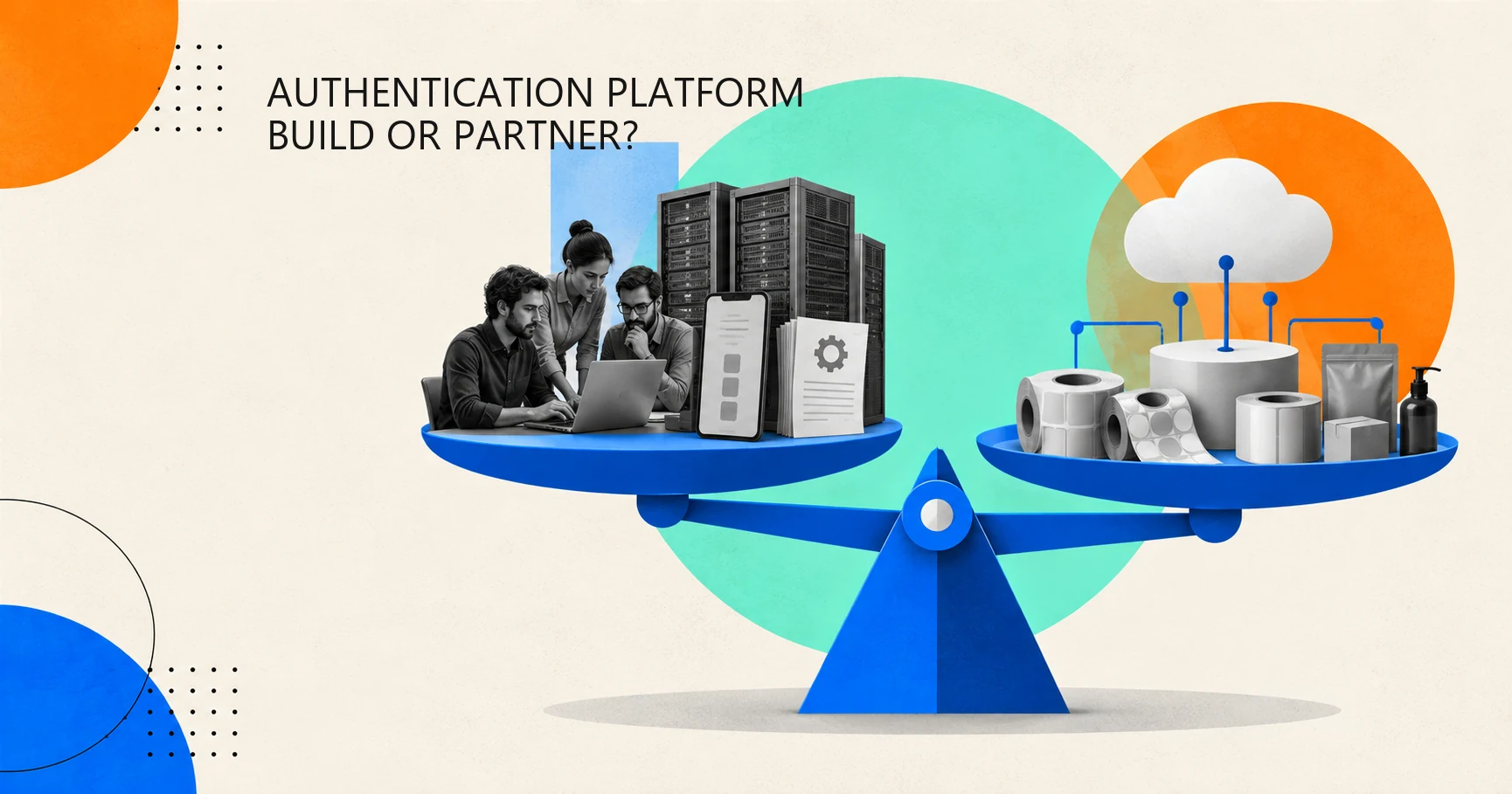
Should you build the platform or resell one?
Building in-house is not the wrong call for everyone. A manufacturer that already runs a mature software team and needs verification logic wired deeply into its own systems is better off owning the code. Some providers also offer a mobile SDK, which lets you embed verification into an app you already ship rather than launching a new one.
For a manufacturer with no software team, reselling is the faster route, and the trade is control for speed.
| Consideration | Building it in-house | Reselling a white-label platform |
|---|---|---|
| Development cost | A large upfront engineering build | Fixed setup fee |
| Time to market | Multiple quarters | About two to four weeks |
| Ongoing engineering | A standing security and compliance team | Included in the subscription |
| Security and compliance | You carry the liability | The provider carries it |
| Your focus | Building and maintaining software | Selling labels and authentication |
Can a hologram manufacturer sell a verification app under its own brand?
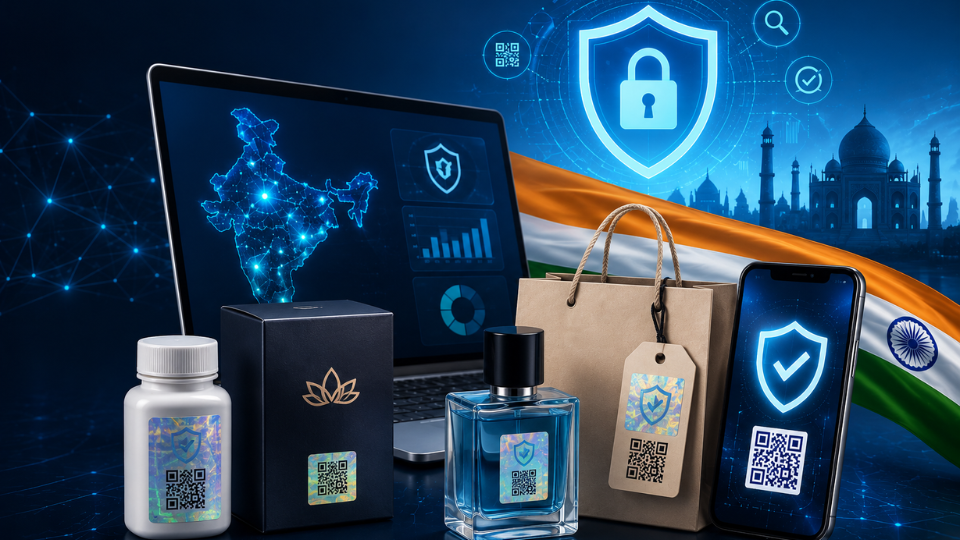
Yes, and that is the whole premise of the white-label model. The app your customers download carries your logo, your colours and your name, while the provider stays invisible behind it. The brands you serve see your company as the authentication provider.
The commercial model is resale. You move past one-time label sales and offer authentication as a recurring service, priced by the number of brands you onboard, so a single label customer becomes a subscriber you keep billing.
The Acviss white-label platform is structured across three tiers on that logic:
| Plan | Built for | What you resell under your brand |
|---|---|---|
| Starter | 1 brand | Branded verification web app, analytics dashboard, white-label branding, managed hosting |
| Growth | Up to 10 brands | Everything in Starter, plus multi-brand management, separate dashboards per brand, priority support |
| Enterprise | 10 or more brands | Everything in Growth, plus track and trace, ERP integration support, enterprise deployment options |
The four week runbook
The sequence below assumes a platform that sits on top of the marks you already produce, so you configure and test rather than code. Each week depends on the one before it.
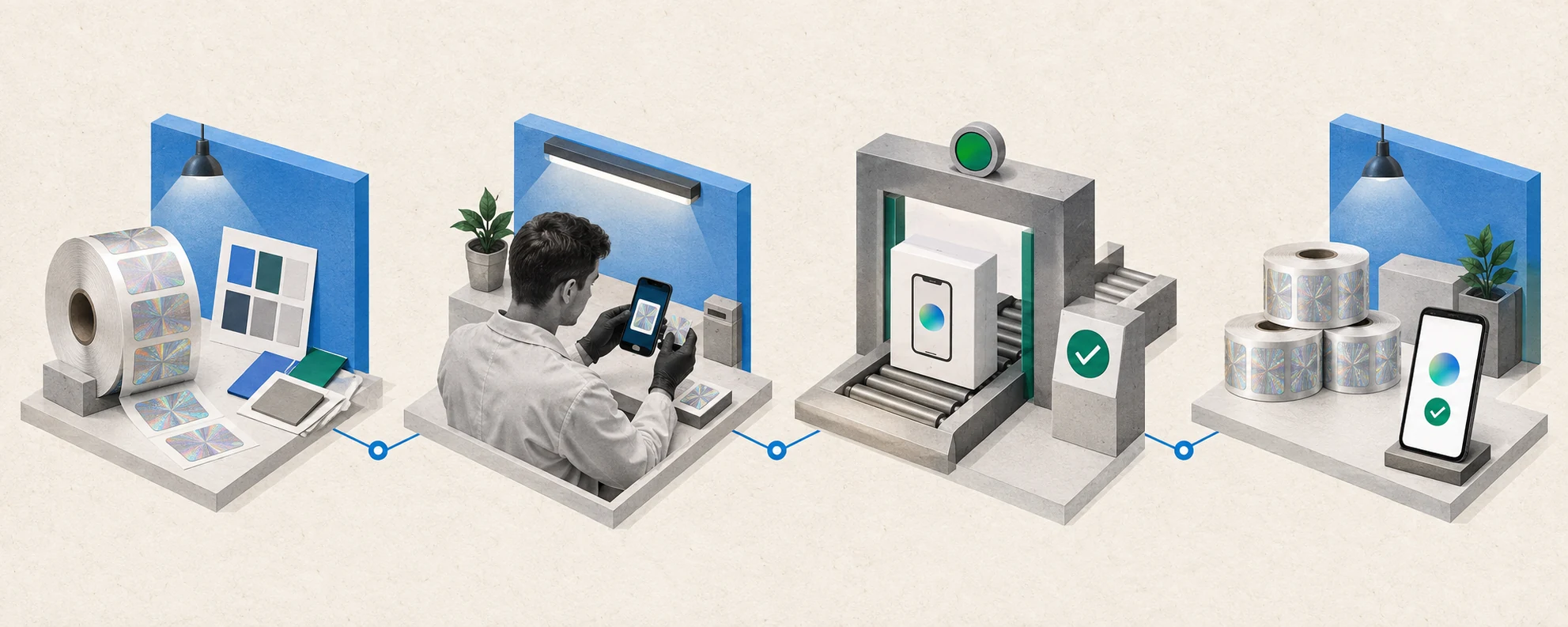
Week 1, setup. Connect the platform to the marks you already make, whether QR codes, serial numbers, holographic labels, NFC or RFID tags, scratch-off codes or variable data such as batch numbers. In the same week, set your branding: logo, colours and domain. For a hologram maker, this is the week your existing label stops being a purely visual mark and becomes a scannable identity.
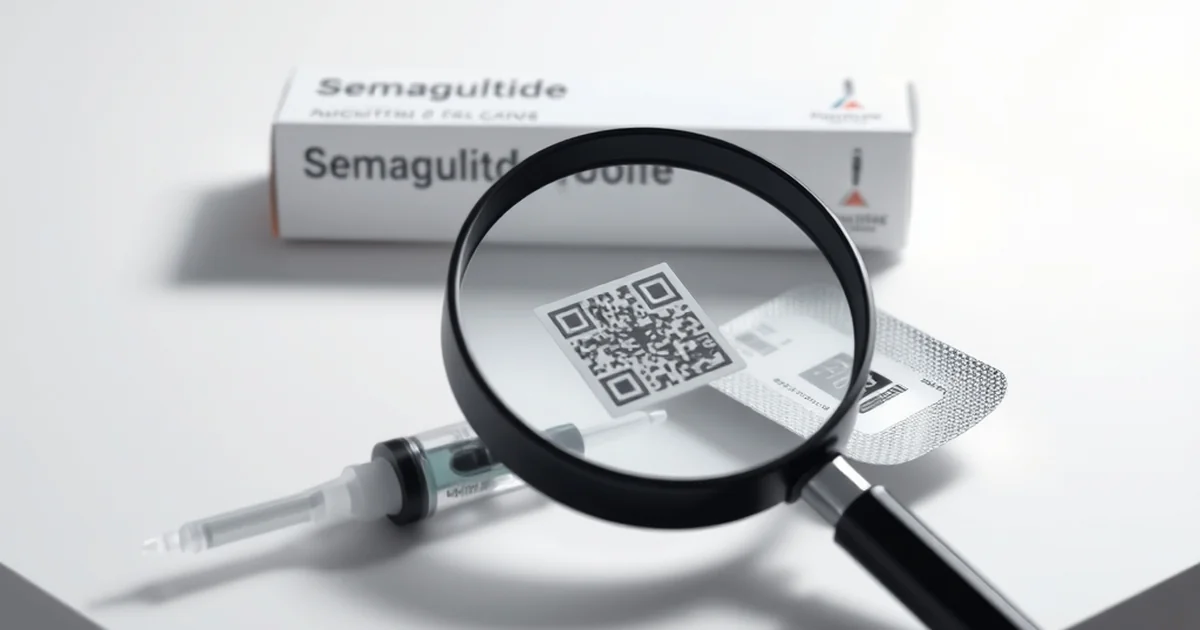
Week 2, testing. Test the branded app against real labels off your own line. Confirm a genuine unit scans as genuine, and that the result reaches the consumer across app, web and WhatsApp. This is where unit-level identity earns its place: when each unit carries its own identity rather than one code shared across a SKU, a duplicate scan flags a suspected clone, and a compromised unit gives an attacker no leverage over any other.
Weeks 3 to 4, launch. The branded iOS and Android app goes to the Apple App Store and Google Play. Once approved, your customers download it. A web version means brands and consumers can verify without installing anything, so store review does not block you from selling.
Week 5 and beyond, scale. Onboard your brand customers one at a time and monitor scan analytics under your own name. Each brand adds recurring revenue on top of the label order you already fill.
What the timeline actually depends on
Treat two to four weeks as the designed pace rather than a fixed promise, because real timelines shift with your product, your scale and the platform you choose.
The step nobody fully controls is app store review. Apple reviews 90 percent of submissions in under 24 hours, so iOS rarely holds up a clean, complete submission (Apple Developer, App Review). Google Play clears in a similar range most of the time, though it warns a first-time app can take up to seven days or longer in exceptional cases (Google Play Console Help).
What you have to get ready before week one
The runbook only moves at that pace if your inputs are ready. You will need your product artwork, SKU information, packaging specifications, production volumes, and your manufacturing and distribution workflow. If you want the platform tied into your systems, you will need your ERP or inventory details, and most platforms connect to SAP, Oracle and Microsoft Dynamics 365, with a REST API for anything else.
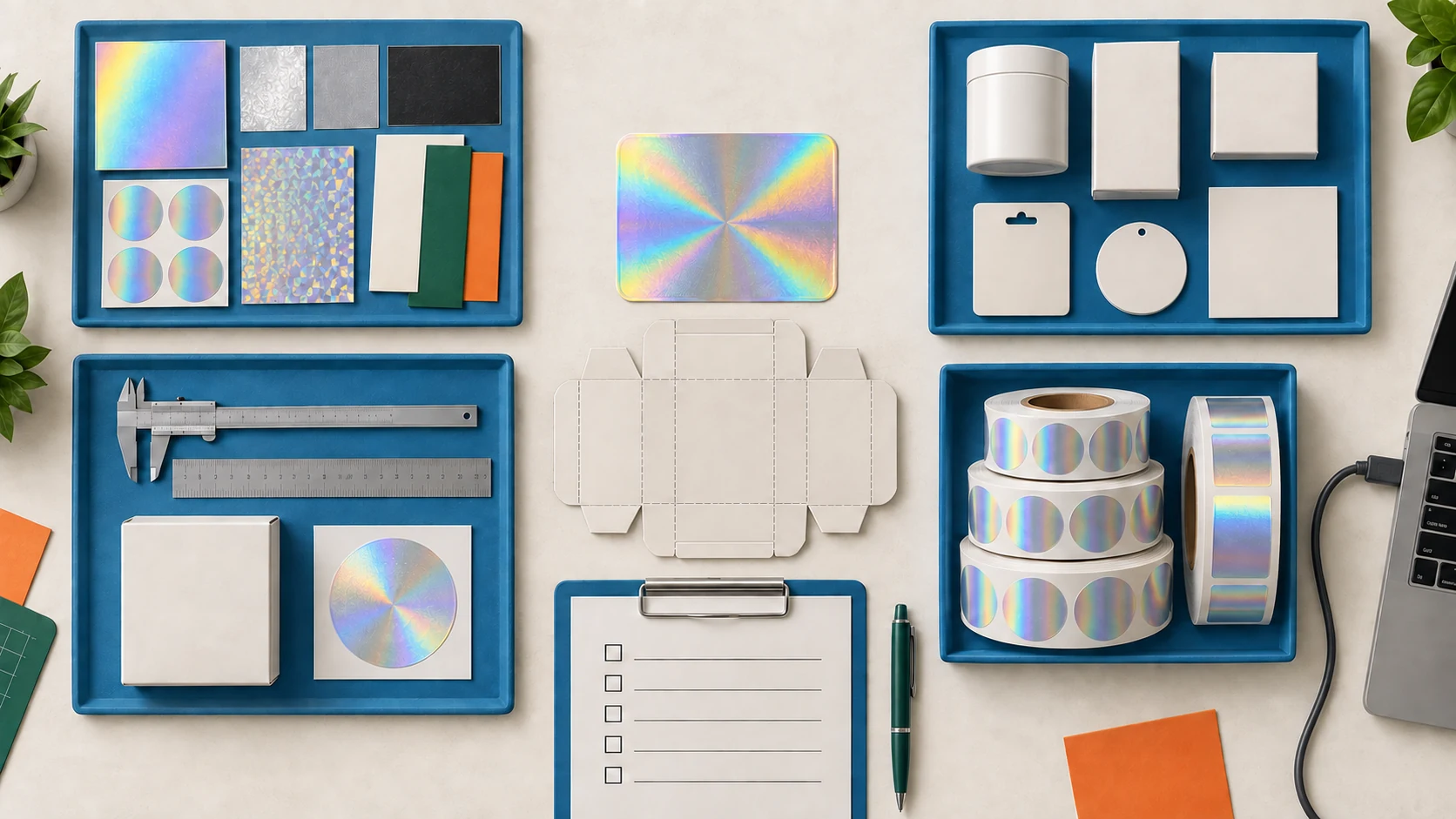
Gathering that before Week 1 rather than during it is the single biggest thing you control on the timeline.

Launch verification under your own brand
Add a branded app, scan analytics, and multi-brand management without building a software team.
Explore White-Label AuthenticationWhat you are actually selling
The value you resell is not a pass or fail scan. Each verification produces data and an engagement opportunity, and both are things you offer under your own name.
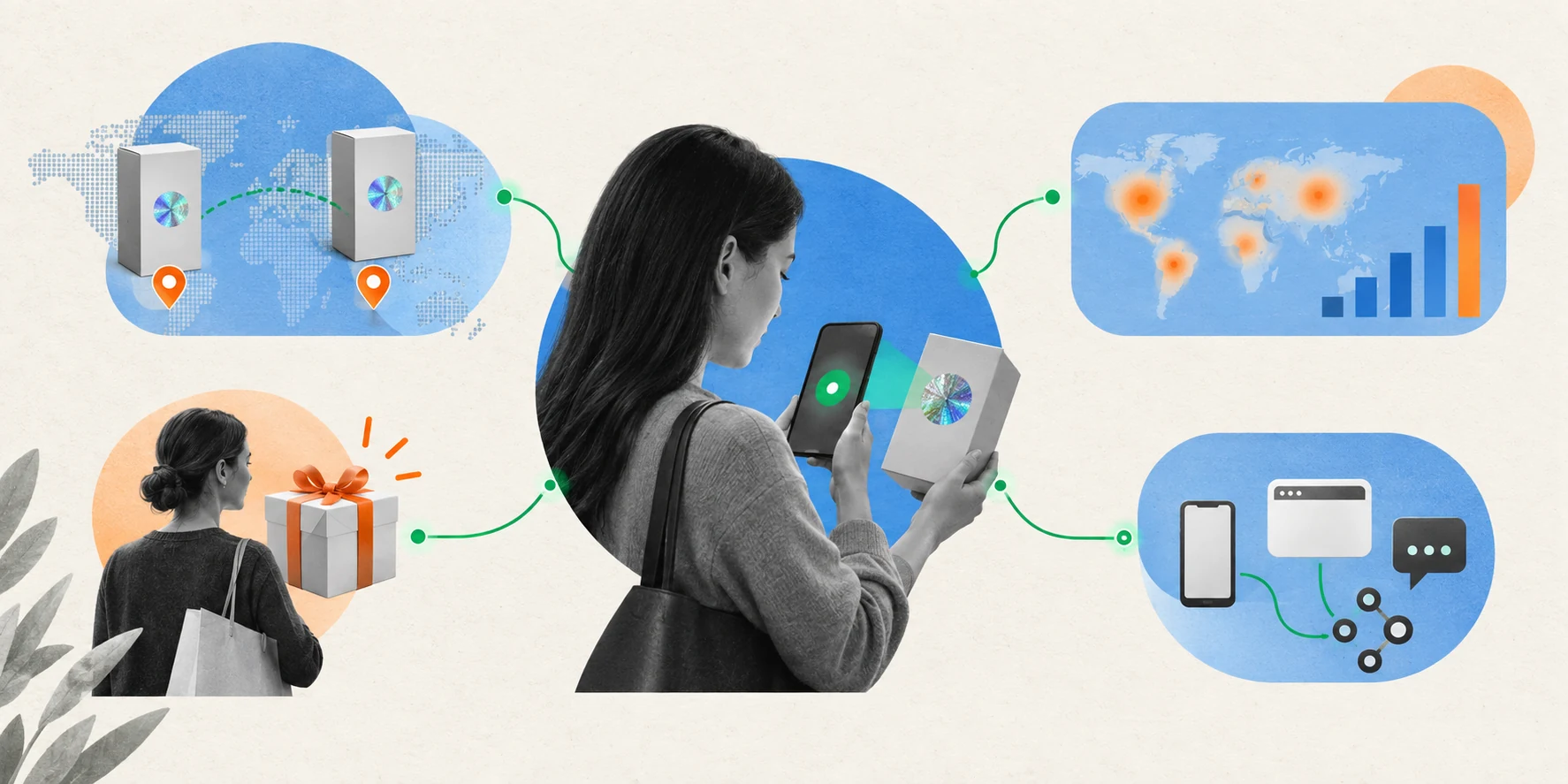
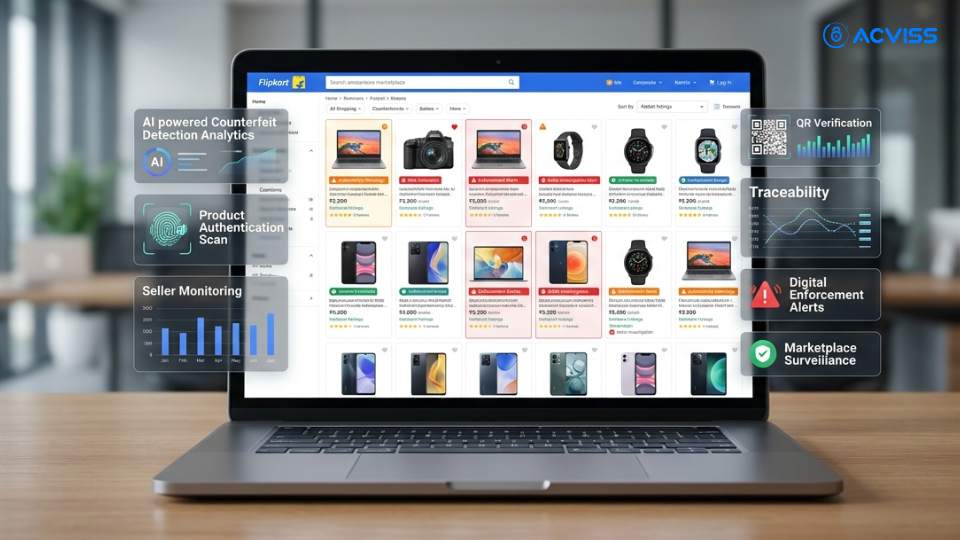
Cloning intelligence, not just fake detection. Duplicate-scan detection surfaces where copies of the same identity appear, and hotspot mapping shows where grey-market activity clusters. That turns a security check into diversion intelligence a brand acts on.
Scan analytics. Real-time insight on scan volume, geography and consumer behaviour gives your customer first-party demand data it rarely captures otherwise. Being the source of that data deepens the account for you.
Loyalty and engagement. Scan-to-earn rewards, cashback and referral programs let a brand reward the consumer for checking authenticity, turning a one-time scan into repeat engagement and contact data.
Omnichannel verification. The same identity verifies through app, web, WhatsApp, SMS or an API call, so no forced download stands between a buyer and an answer.
We build all four into the Acviss white-label platform, and a short demo walks through the sequence against your own labels.
FAQ
What happens if the app store rejects the submission?
Rejections are common and usually procedural rather than fatal. The frequent causes are missing privacy disclosures, a demo account the reviewer cannot log into, or metadata that does not match what the app does. Your platform provider should handle the resubmission, since they own the build. Ask, before you sign, who is responsible for clearing review and how many resubmissions are included.
Who handles support once the app is live, you or the provider?
Both, split by layer. Your brand customers call you, because your name is on the app, and you handle account and configuration questions. Anything that is a platform fault escalates to the provider. Agree that split and the response times in writing before launch, because the first outage is a bad time to discover it was never defined.
Do your brand customers need to know the app is white-labelled?
There is no obligation to volunteer it, and most resellers do not, but do not deny it either if asked directly. Procurement teams at larger brands often ask who operates the infrastructure as part of a security review, and a straight answer at that stage costs you nothing. A denial that surfaces later costs you the account.
What if a brand you sell to already uses a different authentication vendor?
You are selling into a replacement decision rather than a new one, which is slower and turns on switching cost. The question to ask is what happens to their existing scan history and whether their current vendor will export it. That answer often decides the deal before any feature comparison does.
Can you switch platforms later without losing your customers?
Technically yes, but plan the exit at the start. The two things that make it hard are the scan history and the app store listing, since your customers have downloaded an app under your name. Get a data export clause with a defined format, and confirm who owns the app store listing, before you commit.

Turn security labels into a branded digital service
Launch verification, analytics, and customer engagement under your company name.
Talk to Acviss