
In this article
Recent Posts
Counterfeiting Arun KrishnanFeb 17, 20255 min read
Using Technology to Eliminate Counterfeit Cosmetics Globally
 Arun KrishnanFeb 17, 20255 min read
TL;DR
Can you guess the sector that remains evergreen despite inflation or recession? You may call it vanity or a necessity of the new world. To many, it brings out their inner confidence and highlights a sense of identity. It is a habitual routine, yet a skilled regime. Have you guessed the sector we are talking about? It is the ever-booming beauty and cosmetics industry!
It is always bright, despite the market gloom. So, what is the secret behind the sector’s forever boom?
Cosmetic products have become ubiquitous. But if you skip your beauty regime, everyone will notice. What happens when you skip your makeup routine for a single day? You may hear a barrage of questions from your well-wishers. ‘You look pale. Are you unwell? Something looks different. You look tired, are you ok?’
Despite the regular use and increasing demand for cosmetic products, it may be a stretch to call it an essential. In India, beauty and cosmetic products are still a luxury. However, the socio-economic scenario in the country has given the green signal to cosmetics and beauty products in the urban as well as rural markets.
- Counterfeit cosmetics are a global problem, often manufactured with unregulated or harmful ingredients that pose real health risks to consumers.
- Fake cosmetics frequently replicate premium packaging closely enough that consumers can’t tell them apart from the genuine product at point of sale.
- Technology like unique product authentication and track-and-trace lets brands and regulators verify a cosmetic product’s origin and ingredients.
- Global cosmetics brands are increasingly adopting these verification tools to protect both their revenue and their customers’ safety.
Here are some favourable reasons for the growth in the sector:
- Increased participation of women in the economy: Women are the target audience for major cosmetic brands. As the participation of women in the workplace increased, the buying power of women also went up. Thus, the cosmetics sector enjoyed a rise in demand.
- Consumer sophistication: Brands are now capitalizing on consumer sophistication along with buying power.
- Increased access to the internet and e-commerce: Luxury cosmetic products are a click away. With internet and mobile data, customers across the country have easy avenues to buy cosmetics. Many brands have promoted their websites to reach out to their target buyers. There is an upward trend in D2C marketing in the beauty and cosmetics sector as well.
- Discounts and offers: The rise in online buying trends means brands face stiff competition. Even small-sized brands can compete with global companies. The increase in visibility and competition in e-commerce websites has resulted in competitive prices. Even international luxury cosmetic brands offer heavy discounts to stay in the market.

See Certify in action
See how Certify helps cosmetics brands verify every unit is genuine, batch by batch.
Explore CertifyBut is there a downside to the widespread availability and increasing demand? Is the sector blemish-free?
One cannot fathom FMCG without well-known cosmetics brands. Automotive spare parts face a similarly organised counterfeit market — see our piece on fake auto parts ruining the automobile industry. The most decorated and luxurious part of a large retail store will be the cosmetics segment. Skincare, hair treatments, nail paints, oils, and soaps are just a few of the targeted products. Today, the cosmetics industry is a lot more sophisticated. Baby products, treatments for specific skin types, and essential oils are also on the rise. So, we know that cosmetics are an essential part of the FMCG sector. But did you know that cosmetics products are the most counterfeited within FMCG?
For experts in anti-counterfeit technology, the sale of fake cosmetics is not surprising.
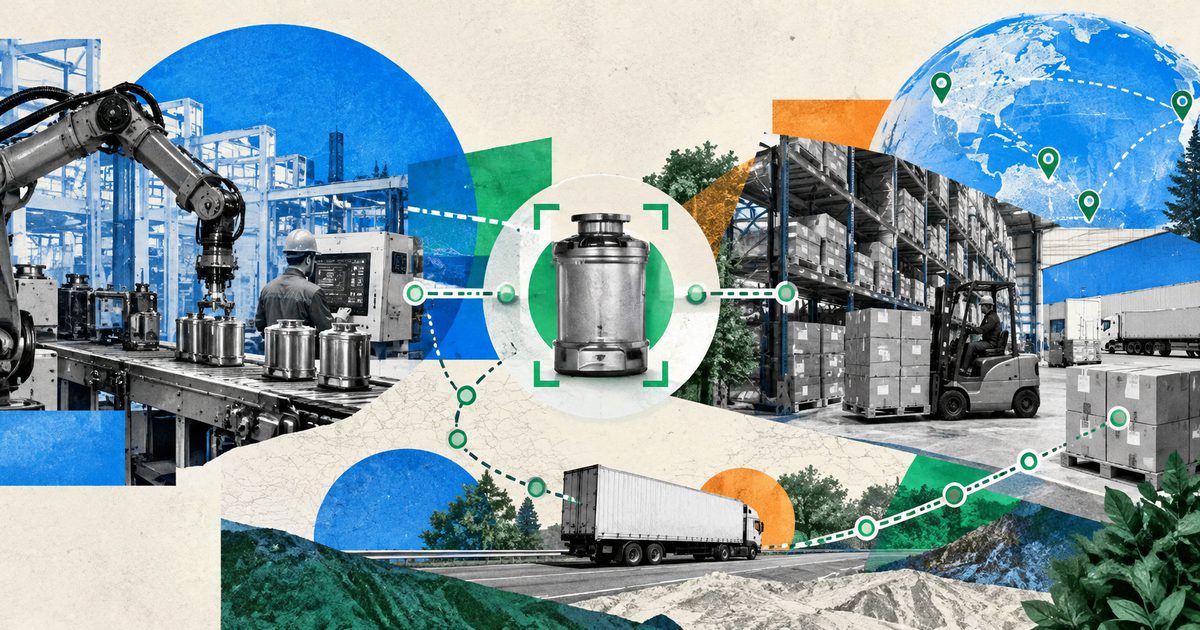
- India is seeing a decline in the domestic manufacturing of cosmetic products. With ingenious brands disappearing, people are relying on imports. Dependency on imports increases the complexity of the supply chain. Experts feel that regulations are not enough to curb the sale of fake cosmetics. Brands need to plug in the gaps in the global supply chain.
- Online marketplaces have led to anti-competitive prices and heavy discounts. The focus is on buying cheap products.
- Renewed aggression in the sector: Despite discounts, luxury cosmetic brands enjoy high profit margins. An increase in disposable income amongst young buyers has led to a sudden increase in demand. The gap in demand and supply makes it lucrative to sell fake products.
- Would you buy a Gucci replica if it looks genuine? Owning a cosmetic product by a luxury brand is a style statement. Everyone wants to be trendy and look elite. But faking it without making it is a dangerous mantra in cosmetics. Replica of big brands is a big hit, especially in the rural Indian market. Loose ends in IP protection are a perfect green signal for replicas in cosmetics.
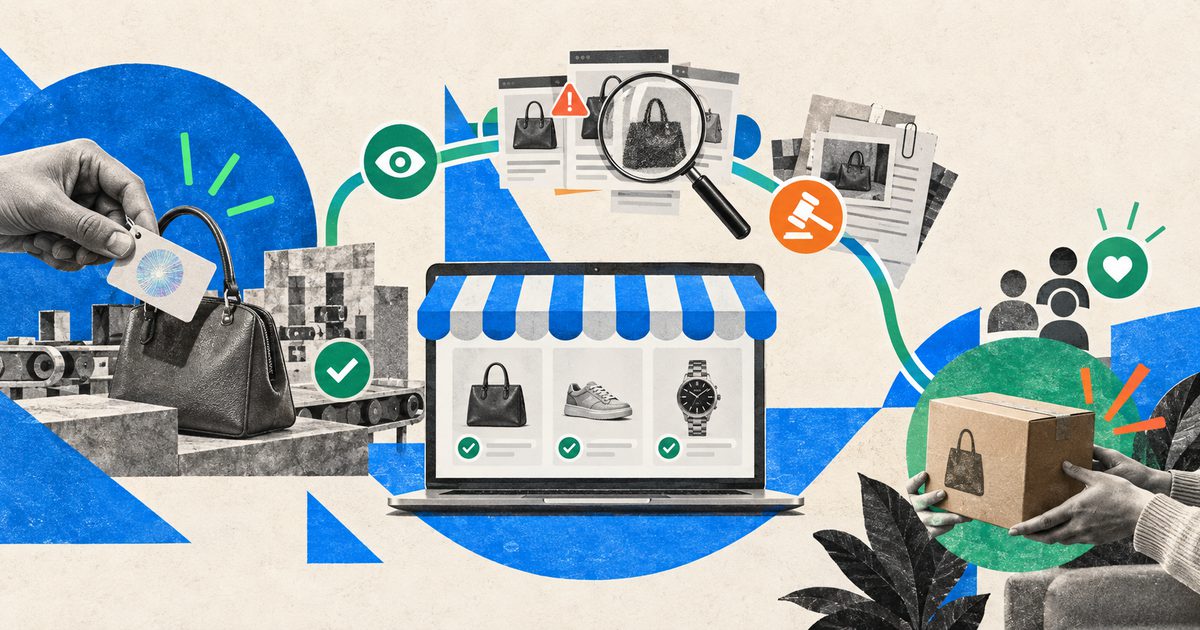
Along with regulations, brands need anti-counterfeit technology measures like,
- Authenticity verification: Many cosmetic brands now issue authenticity certificates. The certificates can be easily verified by customers using bar codes or QR codes.
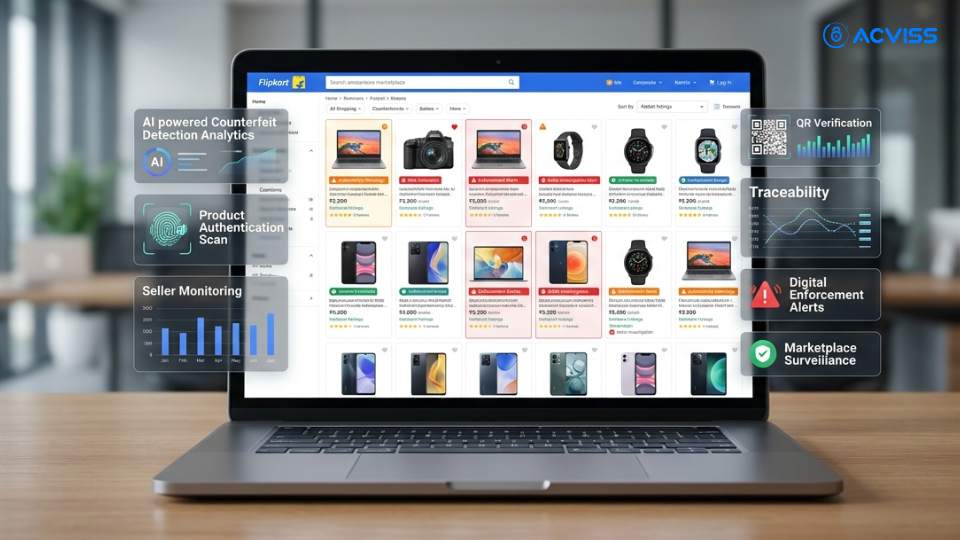
- Unauthorized retailers and sellers are a threat to brands in the e-commerce era. Anti-counterfeit technology like track and trace, serialization, and blockchain help build trust in supply chains. End-to-end visibility helps a lot in curbing fakes.
- Tamper evident and tamper-proof packaging: Latest anti-counterfeit technology integrates with packaging with ease.
- Make reporting fakes easy: Many companies incentivize buyers to report fakes. Tracking the sale of fakes with technology can help brands with important data. Is there a sudden drop in sales in a particular area? Are there many complaints about a particular product? Anti-counterfeit technology can detect suspicious activities on a real-time basis.
Building Trust ain’t that easy
Consumers trust a brand with their skin, hair, beauty, and identity. In India, cosmetics safety and quality fall under the CDSCO, which is why traceable, verifiable authentication matters as much for compliance as for brand trust. Cosmetic brands have a moral obligation to educate and protect their consumers. But in the world of social media and e-commerce, brands cannot manually detect fakes. Leveraging anti-counterfeit technology is no longer an option as cosmetics rise in popularity.
Keep counterfeit cosmetics off your shelves
Book a free demo and see how Certify protects your cosmetics brand and your customers’ safety.
Book a Free DemoMore like this on:Counterfeiting
Related reading
Fake Condoms? Here’s What You Need to Know!
The National Family Planning Program of India is trying to increase the acceptance of condoms. Despite awareness

Why Counterfeit Cosmetics Are a Compliance Risk, Not Just a Revenue Loss
Counterfeit cosmetics carry a compliance and safety risk, not just a revenue loss — see how shade/batch verification and social-commerce monitoring close the gap.