
- Does it track at the unit or batch level, or only the shipment level?
- Does it integrate with your existing ERP, or require a parallel system?
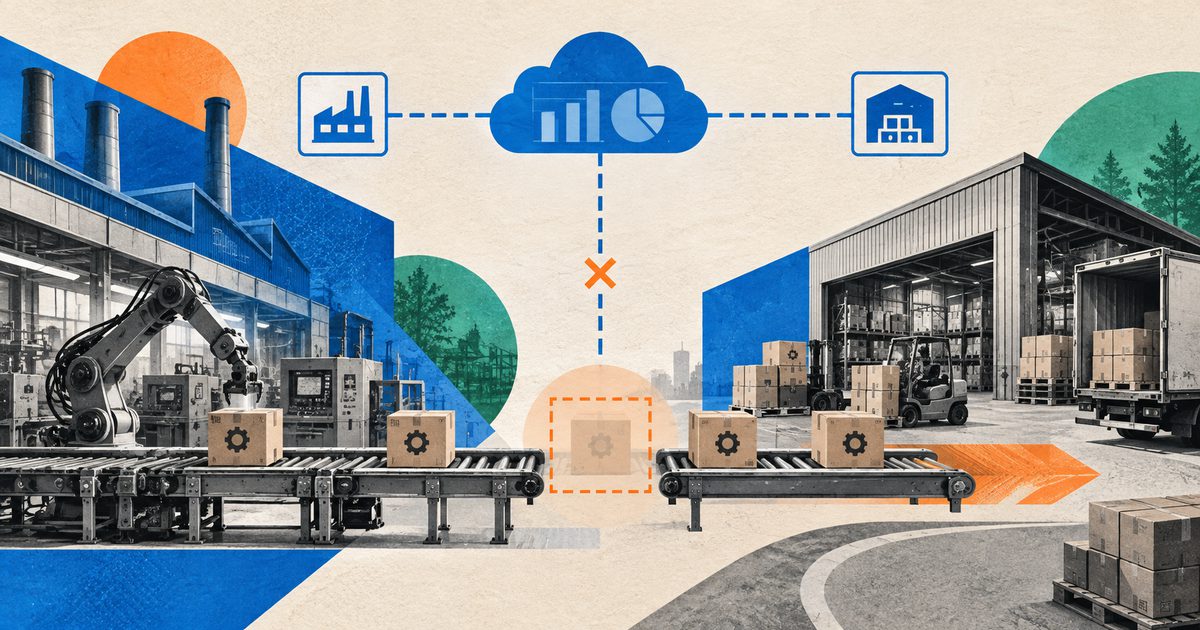
- How is the physical identity applied, and does it survive your actual production line?
- Does it support proper product serialization, not just a single flat code?
- Can codes be deactivated and re-linked through parent-child packaging tiers?
- What happens when the system flags a deviation?
- Does it cover both authentication and traceability, or just one?
- What good traceability software looks like in practice
- Red flags to watch for during evaluation
- Structure a proof-of-concept before committing to a full rollout
- Frequently asked questions
Traceability Software: What to Look for Before You Buy
 Mithileshkumar R NaikAug 10, 20267 min read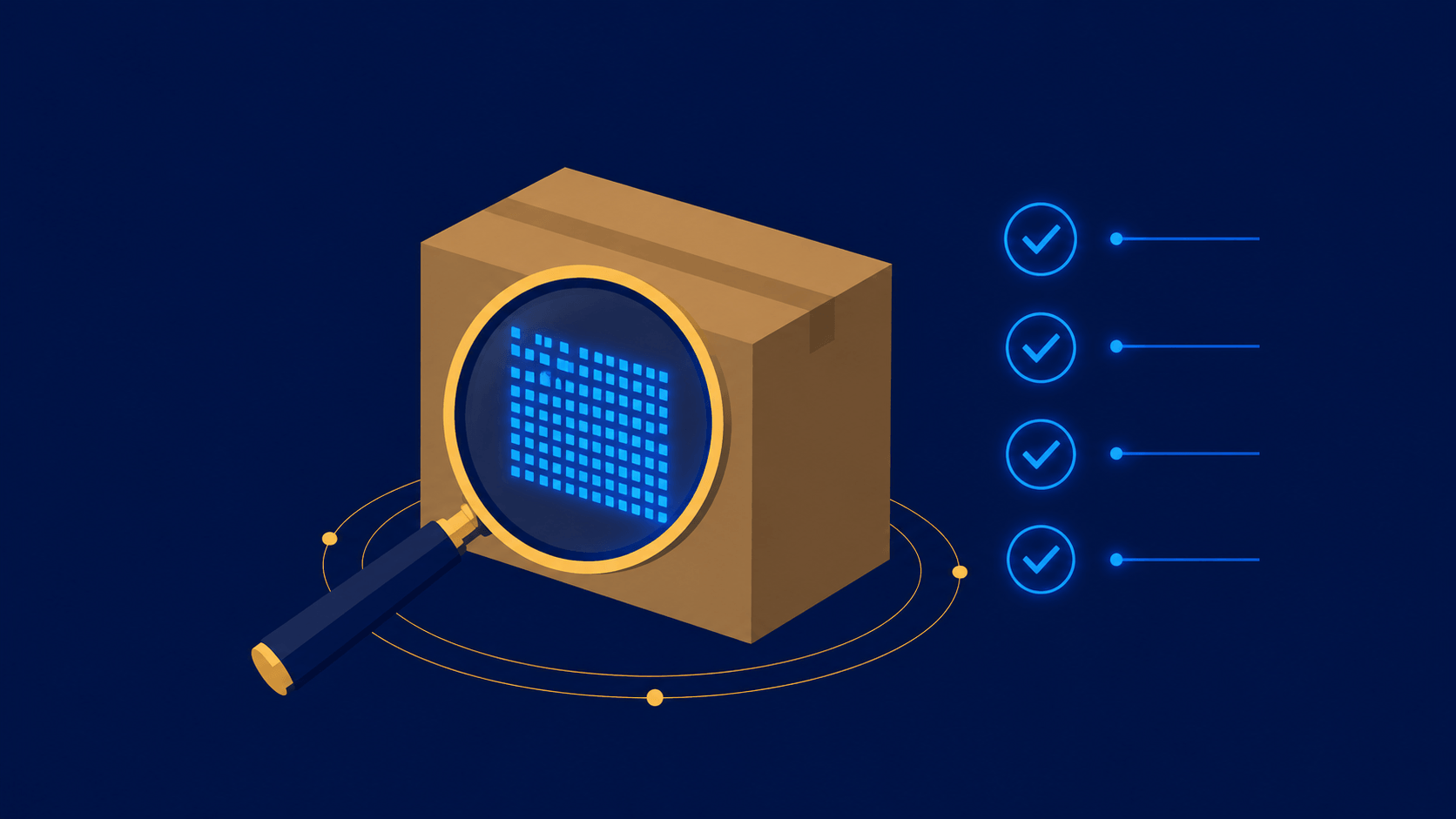
- Most traceability vendors use identical language: real-time visibility, blockchain-backed ERP integration, which makes real differences hard to spot from a sales demo.
- The biggest differentiator is whether a system tracks at the unit or batch level, or only the shipment level.
- Integration with your existing ERP (not a parallel system), physical identity durability, and deviation alerts matter more than the feature list.
- A structured proof-of-concept, not a demo, is what actually separates a working deployment from one that gets shelved after six months.
Search “traceability software” and you’ll get a wall of vendors that all claim real-time visibility, blockchain-backed records, and full ERP integration. Most of that language is interchangeable across every listing on the page, which makes it genuinely hard to tell which platform will actually solve your problem and which one will sit half-configured for six months before someone quietly stops using it.
The evaluation criteria that actually separate a working deployment from a shelved one aren’t the ones most comparison pages lead with. Here’s what to actually check before you sign a contract.
1. Does it track at the unit or batch level, or only the shipment level?
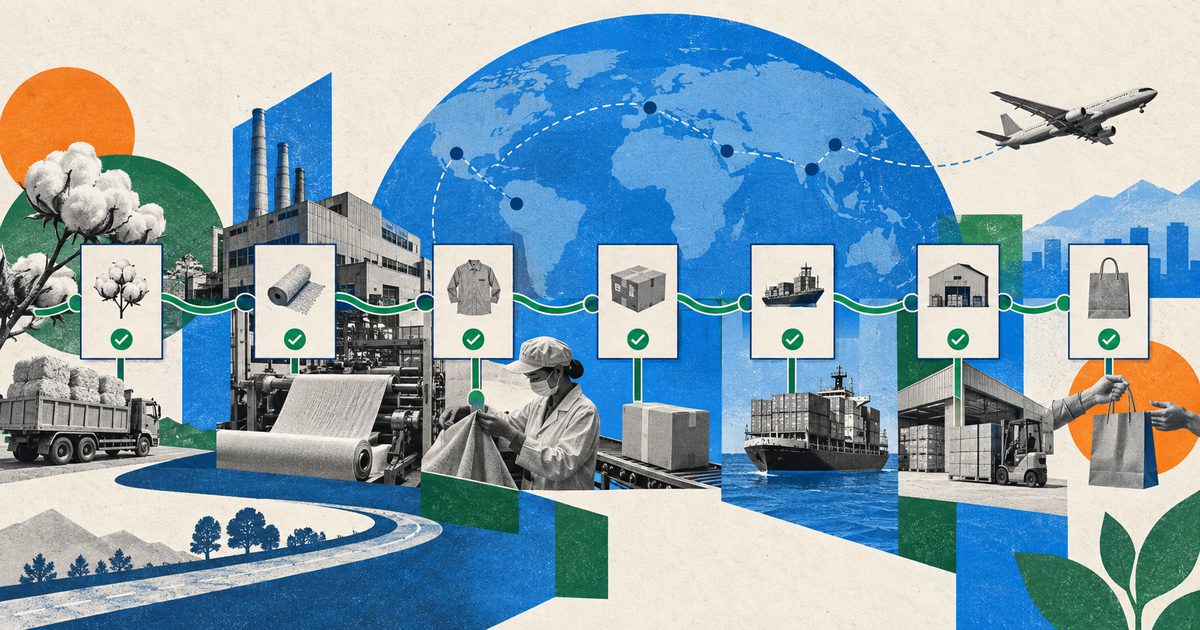
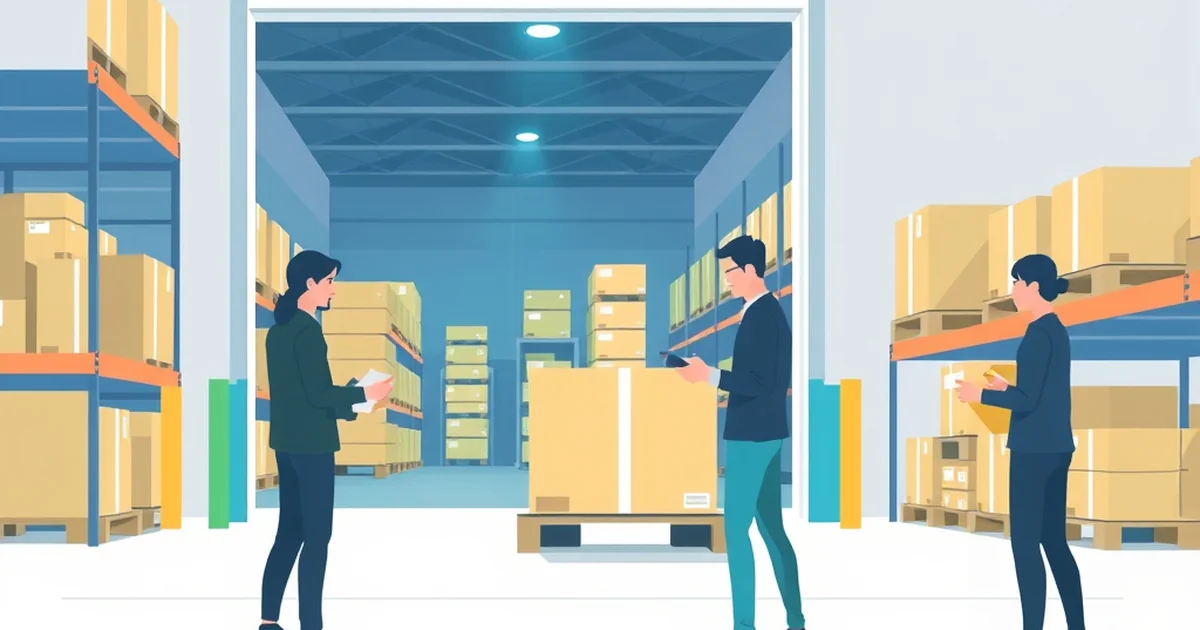
This is the single biggest differentiator in traceability software, and it’s rarely explained clearly in a sales demo. Shipment-level tracking tells you a truck left point A and arrived at point B. Unit or batch-level tracking tells you exactly which products were on that truck, whether all of them arrived, and where any that didn’t arrive dropped out of the record. If your goal is catching counterfeit substitution, grey-market diversion, or unaccounted returns, shipment-level data won’t get you there. Ask any vendor directly: can you trace an individual product unit, or only the container it traveled in?
2. Does it integrate with your existing ERP, or require a parallel system?
A traceability platform that doesn’t talk to your ERP (whether that’s SAP, Microsoft Dynamics, or something else) creates a second source of truth your team has to manually reconcile against the first. That reconciliation work is exactly the kind of manual process traceability software is supposed to eliminate. Confirm the specific integration exists for your ERP before you commit, not a generic “API available” answer that turns into a six-month custom build after signing.
3. How is the physical identity applied, and does it survive your actual production line?
Software is only half of a traceability solution. The other half is how a unique, scannable identity gets physically applied to your product, whether that’s a printed QR code, an embedded label, or a covert marker, and whether that application step fits into your existing packaging line speed. A platform that requires a manual labeling station on a high-speed FMCG line will become your bottleneck, not your solution. Ask for a reference customer in a similar production environment to yours, not just a generic case study from a different industry.
4. Does it support proper product serialization, not just a single flat code?
True product serialization means every unit gets a unique, individually trackable identity rather than every unit of a SKU sharing the same generic code. A shared code can only tell you a product belongs to a certain batch. A serialized code tells you which specific unit you’re looking at, which is what actually lets you catch a counterfeit copy of a real code being reused across multiple fake units, a pattern a batch-level code alone can’t detect.

See Origin in action
See what unit-level identity and real-time deviation alerts actually look like, before you sign a contract.
Explore Origin5. Can codes be deactivated and re-linked through parent-child packaging tiers?
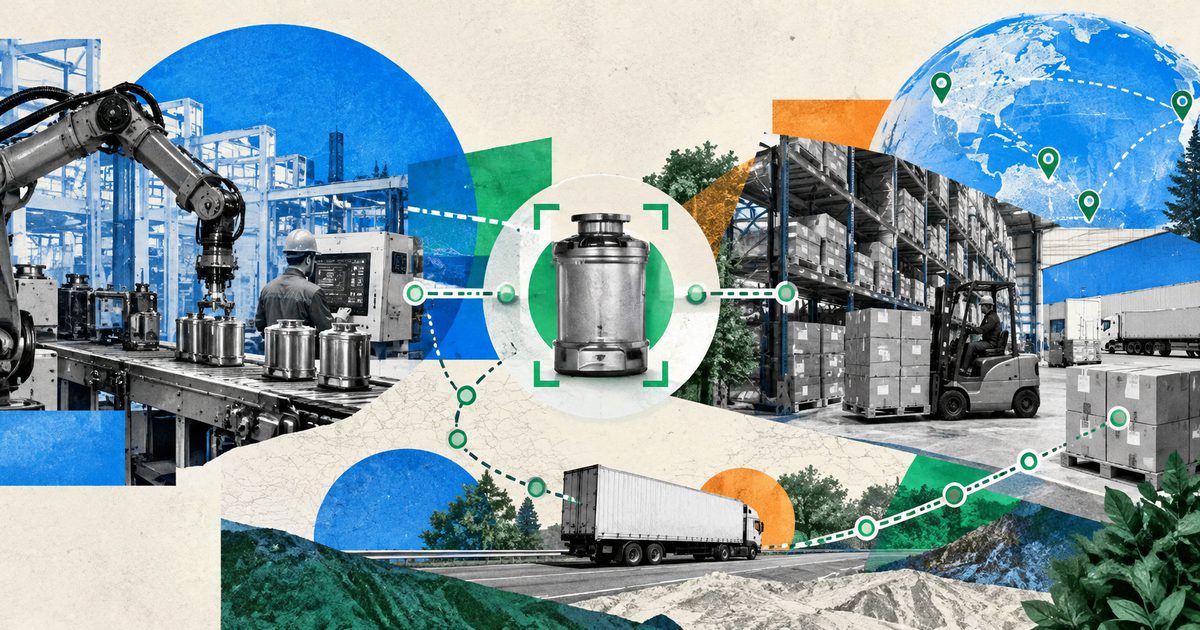
Products rarely ship as single units. They move in cases, then pallets, then truckloads. Good traceability software supports parent-child code mapping: an individual unit’s code links to its case code, which links to its pallet code, and scanning the outer tier automatically accounts for everything inside it. Without this, your warehouse staff either scan every single unit by hand at every checkpoint, which nobody actually does consistently, or they stop scanning altogether and the system’s data quality collapses within weeks.
6. What happens when the system flags a deviation?
Every vendor will show you a clean dashboard. Fewer will show you what happens the moment a batch’s scan location or timing falls outside its expected pattern. Does the system generate an automated alert to a specific person, or does it just log the anomaly in a report someone might review next month? The gap between those two behaviors is the gap between a system that actually catches diversion and counterfeit substitution while it’s happening, and one that just documents it after the fact.
7. Does it cover both authentication and traceability, or just one?
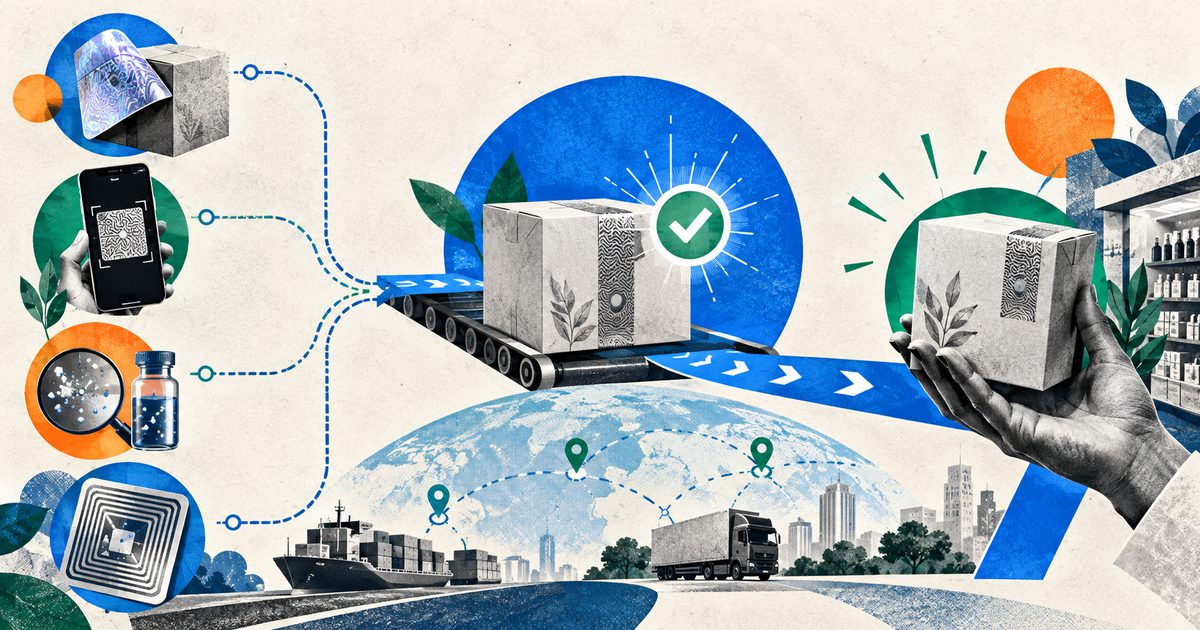
Some platforms specialize in supply chain movement tracking. Others focus purely on point-of-sale product authentication. The strongest deployments combine both: a track-and-trace layer that follows the product through the supply chain, plus a product authentication layer that lets distributors, retailers, or end consumers verify a specific unit is genuine at the point of sale. If your vendor only offers one half, you’re likely to need a second vendor for the other, which reintroduces the reconciliation problem from point two.
What good traceability software looks like in practice
Acviss’s Origin platform is built around the criteria above directly: true unit-level serialization, blockchain-backed records for immutability, QR-based codes applied during the packaging process, real-time tracking at every supply chain checkpoint, native ERP integration with SAP and Microsoft Dynamics, and parent-child code mapping so warehouse staff scan at the pallet level rather than the individual unit level. Paired with Certify for point-of-sale authentication, it covers both halves of the problem most single-purpose platforms leave split across two vendors.
According to GS1’s global standards work on product traceability, interoperability across supply chain partners depends on consistent, standards-based serialization, which is worth checking directly with any vendor: does their code structure follow recognized serialization standards, or is it a proprietary format that only works within their own platform?
Red flags to watch for during evaluation
- A vendor that can’t name a specific ERP integration they’ve actually built, only a generic “we support integrations” answer
- No clear explanation of how the physical code gets applied to your specific packaging format
- A demo that only shows the dashboard and never addresses what happens after an alert fires
- Pricing that scales purely on user seats rather than on scan volume or SKU coverage, which usually signals a tool built for internal reporting rather than supply chain operations
Structure a proof-of-concept before committing to a full rollout
The comparison-page version of buying traceability software is picking the vendor with the best feature list and signing a company-wide contract. The version that actually works is running a limited proof-of-concept first: pick one or two high-risk SKUs, one or two plants or warehouses, and run the platform for a real production cycle before deciding whether to expand.
A useful proof-of-concept should let you confirm, with real data rather than a sales deck, that: codes survive your actual packaging line without slowing it down, scan data updates in something close to real time rather than in a nightly batch, your ERP integration works as promised rather than requiring manual export and import, and your warehouse team can actually operate the scanning workflow day to day without constant support tickets. If a vendor resists running a limited pilot before asking for a full-catalogue commitment, treat that reluctance itself as useful information.
Frequently asked questions
How long does traceability software typically take to deploy?
It depends heavily on scope and how many sites are involved, but platforms that integrate cleanly with your existing ERP and packaging process can go live across multiple plants within weeks rather than months. Ask any vendor for a specific timeline based on your number of sites, not a generic range.
Do we need to change our packaging to add traceability codes?
Usually not. Codes can typically be printed directly into existing packaging artwork or applied as a label during current production, without a full redesign.
Is blockchain actually necessary, or is it marketing?
Blockchain matters specifically for the immutability of the record, once a scan event is logged, it can’t be quietly edited later. If a vendor uses the word without being able to explain what specifically becomes tamper-proof as a result, press for the actual mechanism rather than accepting the term at face value.
If you’re comparing platforms and want to see how unit-level tracking, ERP integration, and point-of-sale authentication work together in one deployment, talk to the Acviss team about Origin.

About to buy traceability software? Check these seven things first.
Book a free demo and see how Acviss’s Origin holds up against the checklist in this article.
Book a Free DemoRelated reading

Instant Supply Chain Tracking: What It Actually Takes
“Instant” and “supply chain tracking” don’t usually belong in the same sentence for most brands. Real-time vis
How to Reserve and Register a Trademark for Your Brand
A brand name isn’t protected just because you’re using it. Until it’s registered as a trademark, anyone else can file for