
Instant Supply Chain Tracking: What It Actually Takes
 Mithileshkumar R NaikAug 10, 20267 min read
- Most “real-time” supply chain tracking is actually real-time-plus-two-weeks: batch reports and reconciliation, not live data.
- Genuine instant tracking needs three things: unit-level identity, scan events at every checkpoint, and alerts that fire the moment something deviates.
- A real deployment (six plants, twenty warehouses) went live in 45 days, with individual site activation in under four days each.
- The gap between reporting on a supply chain and monitoring it live is exactly where diversion and counterfeit substitution happen unnoticed.
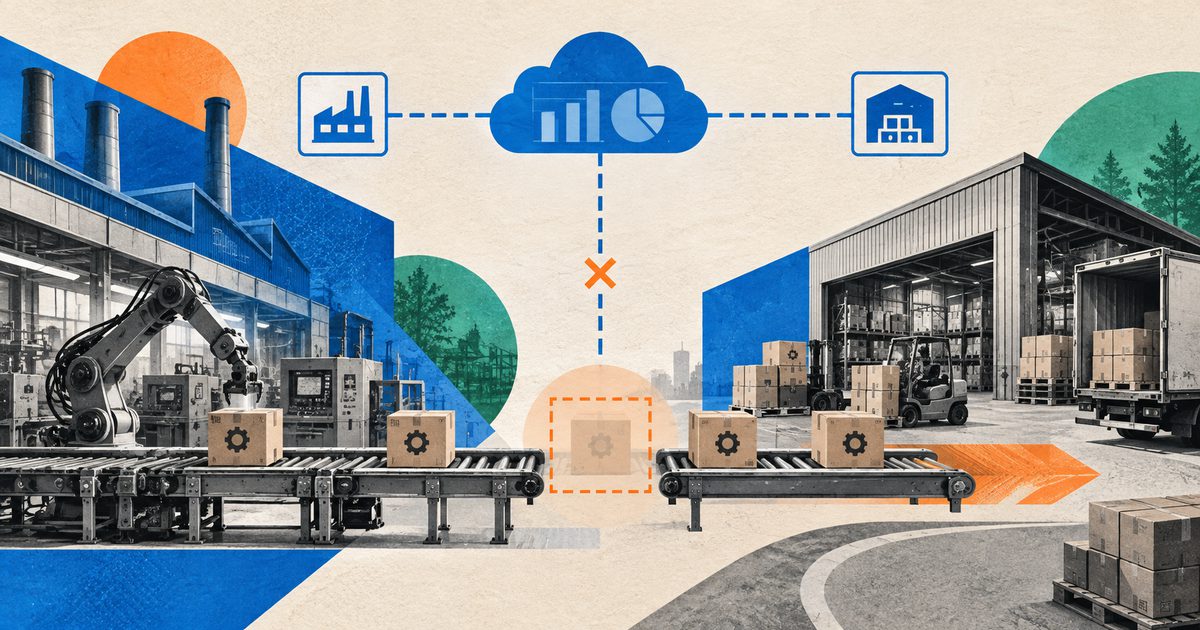
“Instant” and “supply chain tracking” don’t usually belong in the same sentence for most brands. Real-time visibility is the promise on every vendor’s homepage, but the actual experience for most manufacturing and distribution teams is closer to real-time-plus-two-weeks: data trickles in from ERP updates, transporter check-ins, and warehouse reconciliation reports that get reviewed once a week if you’re lucky.
Genuinely instant supply chain tracking solutions exist, but what makes them instant isn’t a faster dashboard. It’s a different data model underneath: unit-level identity, scan events at every checkpoint, and alerts that fire the moment something deviates, rather than a batch report someone has to go looking for.
What “instant” actually requires
Three things have to be true for supply chain tracking to feel instant rather than retrospective:
Every product needs its own identity, not just its shipment
If your tracking data lives at the invoice or shipment level, you’re always one step removed from the actual product. Unit-level or batch-level serialization, applied at the point of manufacture, means the tracking system knows about the product itself, not a paper description of it.
Scan events need to happen where the product actually moves
A tracking system is only as fast as its slowest checkpoint. If warehouse staff only scan inbound goods once a day in a batch upload, you’ve built a system that reports yesterday’s supply chain, not today’s. Real-time tracking depends on scanning happening at the moment of movement, inward at the warehouse, outward to the transporter, receiving at the distributor, not as an end-of-shift administrative task.
Deviations need to trigger alerts, not reports
The difference between a dashboard and an instant tracking system is what happens when something goes wrong. A dashboard shows you a number that’s off. An instant system tells your team, immediately, which specific batch deviated from its expected route, so someone can act on it while the shipment is still moving.
How Acviss’s Origin platform delivers this
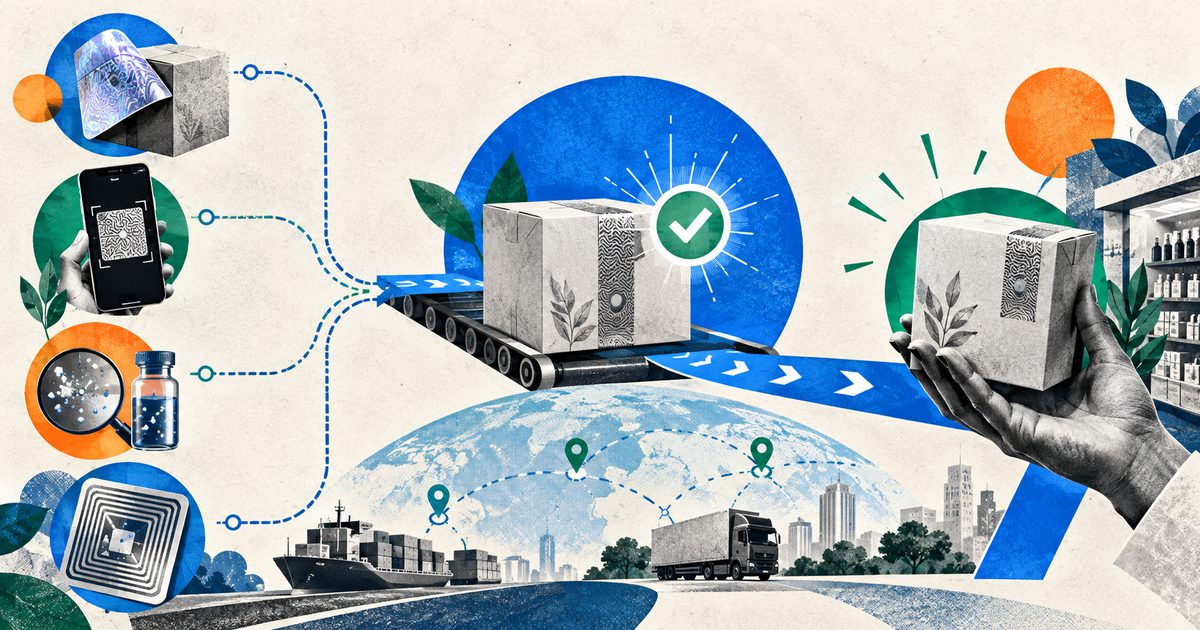
Origin is built around exactly this model: blockchain-backed batch records, QR-based serialization applied during packaging, and real-time tracking at every stage of the supply chain, all integrated directly into your existing ERP system. Because the tracking layer sits on top of infrastructure you already run, deployment doesn’t mean ripping out your current systems, it means adding a visibility layer that reports in real time instead of on a reconciliation cycle.

See Origin in action
Give every batch unit-level identity and real-time alerts, not a weekly reconciliation report.
Explore OriginCase study: instant activation across six plants and twenty warehouses
A global agrochemical manufacturer, with more than $8 billion in market value and operations spanning multiple continents, was dealing with rampant counterfeiting, fraud, unaccounted sales returns from products being smuggled across regions, and a supply chain that stayed unstructured even with an existing ERP system in place. Distributors and retailers had lost trust in the brand’s ability to guarantee what they were actually receiving.
The company deployed two Acviss solutions together: Origin for track-and-trace and real-time product visibility, and Certify for QR-enabled, non-cloneable label authentication with tamper-proof holographic markers. Both integrated directly into the company’s Microsoft Dynamics ERP, so entries and exits at every warehouse node mapped straight into existing invoices and goods-receipt records rather than creating a parallel system to maintain.
The rollout covered six manufacturing plants and twenty warehouses across India, focused initially on three high-volume SKUs. Here’s what “instant” looked like in practice:
- Full implementation completed in 45 days, across all six plants and twenty warehouses.
- Activation at each individual plant and warehouse took under four days, once the core system was deployed.
- Codes were applied with parent-child mapping, so an individual unit’s code automatically deactivated once it was scanned into its outer packaging, keeping warehouse staff from having to scan every single unit by hand.
Within the first year, the deployment recorded more than 1 crore successful verification scans and over 50 million unique codes deployed, with 100 percent warehouse coverage across the network. Beyond the raw numbers, the qualitative shift mattered just as much: distributors and retailers who had grown wary of counterfeit stock in the market regained confidence in what they were being shipped, because every unit could now be verified independently rather than taken on trust. As one company representative put it: “We have seen track-and-trace systems implemented across companies and partnered with a few, but none have been as successful as Acviss.”
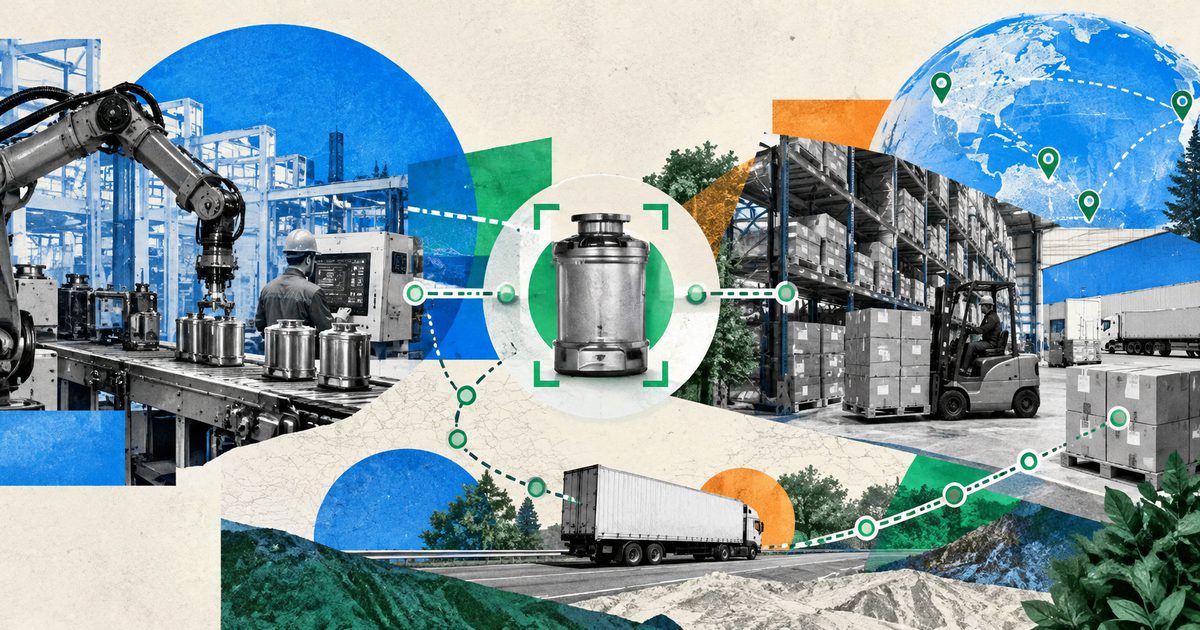
What made the rollout genuinely fast rather than just fast on paper was the choice to support both automated and manual scanning flows at each warehouse node, depending on that site’s existing infrastructure and budget. Plants with automated conveyor lines got inline printing and scanning integrated directly into the packaging process; smaller warehouses without that automation used handheld scanners at inward and outward points instead. Both flows fed the same real-time dataset, which is what let the rollout scale across twenty sites with very different levels of existing automation in a single 45-day window instead of needing a separate, slower plan for each site.
Why speed of rollout matters as much as speed of data
A lot of supply chain visibility software promises real-time dashboards but takes months to actually deploy, by which time the counterfeiting, diversion, or fraud problem that triggered the search for a solution has already gotten worse. The agrochemical case above shows that both halves of “instant” matter: the data needs to update in real time once live, and the system itself needs to go live fast enough that it’s solving today’s problem, not next quarter’s.
This matters more in categories like supply chain visibility for agrochemicals, pharmaceuticals, and FMCG, where a single unmonitored quarter can mean a competitor’s counterfeit product sitting on the same retail shelf as your genuine one, actively damaging the trust you’ve spent years building with distributors and end customers. The FICCI CASCADE committee’s research on India’s illicit markets consistently flags weak supply chain visibility, not just weak enforcement, as one of the biggest structural reasons counterfeit and diverted goods keep finding their way to genuine retail shelves.
Signals that your current tracking isn’t actually instant
A lot of teams believe they already have real-time visibility until they look closely at how the data actually flows. A few honest questions tend to expose the gap:
- Can you locate a specific unit right now, or only a shipment? If the answer is “we know which truck it was on,” but not “we know exactly which pallet and which units,” you have shipment-level tracking, not product-level tracking. The two look similar on a dashboard but behave very differently when something actually goes wrong.
- How old is the data you’re looking at? If your visibility tool pulls from a nightly batch job or a weekly warehouse reconciliation, you’re looking at history, not the present. True real-time tracking updates the moment a scan happens, not the moment someone runs a report.
- Does anyone get notified when something deviates, or does someone have to go find it? Passive dashboards require a person to notice a problem. Active alerting flags it automatically, which is the difference that actually lets a team intervene while a shipment is still in transit rather than after it’s already been delivered somewhere it shouldn’t have gone.
If any of those questions land closer to “not really” than “yes,” the tracking system in place is reporting on the supply chain rather than monitoring it live, and the gap between those two things is exactly where diversion, counterfeit substitution, and unaccounted returns tend to happen unnoticed.
Frequently asked questions
How fast can a real-time tracking system actually go live?
It depends on scope, but the case above shows a six-plant, twenty-warehouse rollout completing in 45 days, with individual site activation in under four days once the core platform was deployed. Starting with a smaller pilot across your highest-risk SKUs can go live even faster.
Does instant tracking require replacing our ERP?
No. Origin integrates with existing ERP systems, including SAP and Microsoft Dynamics, so warehouse scan events map directly into invoices and goods-receipt records you already generate.
What counts as a “real-time” alert versus a report?
A report tells you what already happened, usually reviewed on a schedule. A real-time alert fires the moment a specific batch’s scan location or timing deviates from its expected route, while there’s still time to intervene.
If your current supply chain visibility runs on weekly reconciliation instead of real-time alerts, talk to the Acviss team about Origin to see how a similar rollout could work for your plants and warehouses.

Is your supply chain tracking real-time, or just real-time-plus-two-weeks?
Book a free demo and see how Acviss’s Origin delivers genuinely instant, unit-level tracking.
Book a Free DemoRelated reading
Traceability Software: What to Look for Before You Buy
Search “traceability software” and you’ll get a wall of vendors that all claim real-time visibility, blockchain-backed rec

How to Reserve and Register a Trademark for Your Brand
A brand name isn’t protected just because you’re using it. Until it’s registered as a trademark, anyone else can file for