
In this article
Recent Posts
Counterfeiting Arun KrishnanFeb 17, 20255 min read
How Counterfeiting Funds Terrorism and Threatens Lives
 Arun KrishnanFeb 17, 20255 min read
TL;DR
- The global fake goods market is estimated at $1.8 trillion, and proceeds from counterfeit sales often flow into organized crime and, in documented cases, terrorist financing.
- Counterfeiting is frequently dismissed as a victimless crime, but the human cost includes trafficked labor, unsafe fake seeds/pesticides/medicines, and funding for extremist groups.
- Consumers can reduce risk by verifying website credentials and secure connections online, and buying only from trusted stores offline, but neither fully guarantees an authentic product.
- Brands can close the gap with tamper-evident, unique packaging elements that consumers verify with a smartphone, the same approach Kitply, Tata Steel, and Dupont have used successfully.
The Global Shadow of Counterfeiting
Yes, $1.8 trillion dollar is the fake goods market world over. You might be wondering where all that money goes, as it surely is not in the legal economy. Most of the money from counterfeits funds terrorism, illegal activities, organized crime etc. So when you buy that fake handbag or printer ink knowingly or not, you may have basically given a contract to harm yourself and others.
See Certify in action
See how Certify’s tamper-evident authentication cuts off the counterfeit revenue stream at the source.
Explore CertifyBeyond Financial Consequences
Most people tend to think that counterfeiting is a victimless crime and it probably only affects the revenues of the brand whose label is copied. They think that it’s a socialist way of fighting against the big corporates who are making huge margins.As Alastair Gray a counterfeit investigator and a brand protection manager at Tommy Hilfiger mentioned in his Ted Talk: “What the tourist on holiday doesn’t see about those fake handbags is they may well have been stitched together by a child who was trafficked away from her family, and what the car repair shop owner doesn’t realize about those fake brake pads is they may well be lining the pockets of an organized crime gang involved in drugs and prostitution. And while those two things are horrible to think about, it gets much worse, because counterfeiting is even funding terrorism. Let that sink in for a moment.”
Human Lives at Stake: The True Cost of Counterfeiting
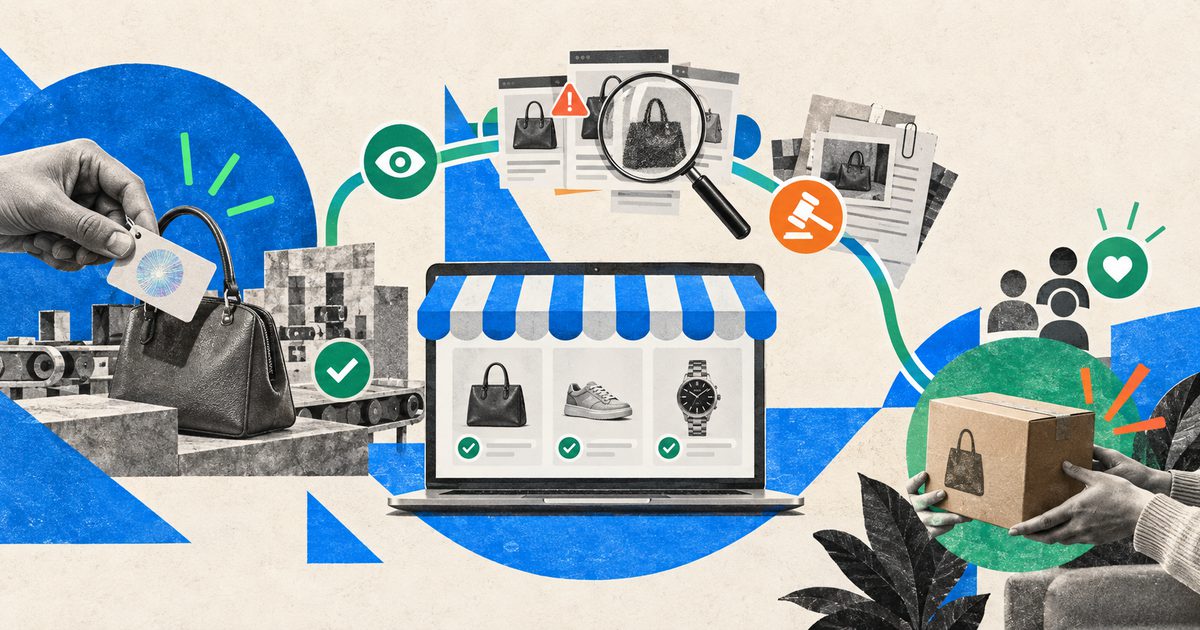
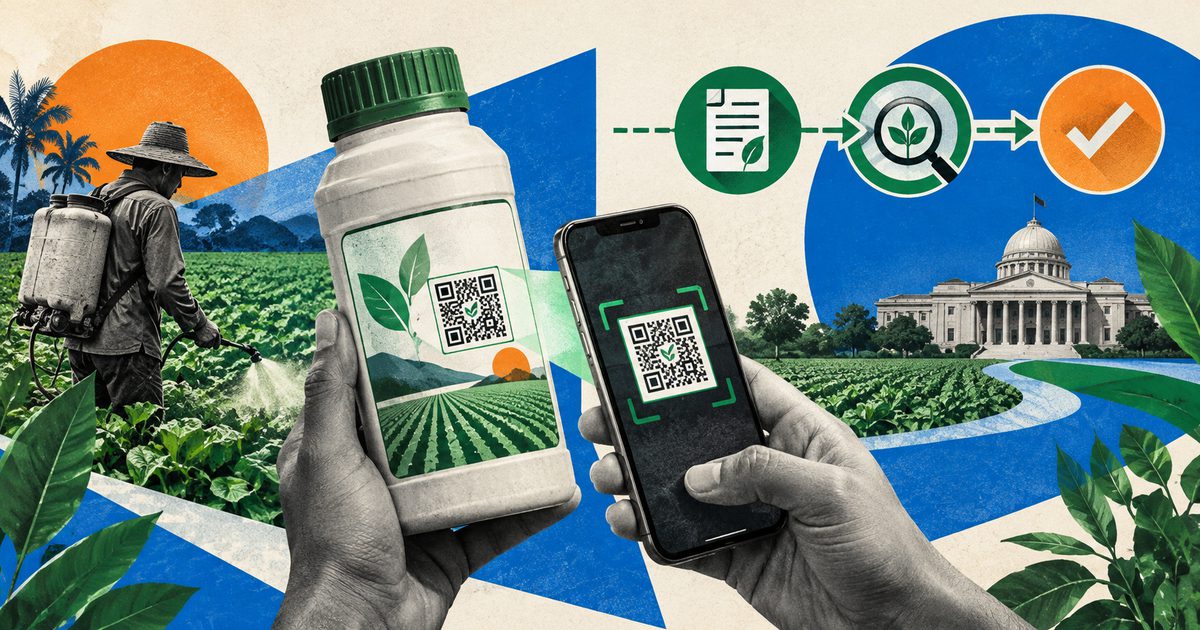
Yes that’s is very alarming and concerning. While one may causally buy or sell fake products the effects of it may be extreme and come back to haunt us with irreversible consequences. Not just that, there have been large number of fake seeds and pesticides, baby products and medicines sold in the market. One can only imagine what harm this can bring to the crops, patients and the mothers/babies that consume this.So the next question is how does one fight this. While as a consumer you may vouch to never buy a fake product how can you ensure that the product you buy is not a fake? While buying online you can verify the website credentials, whether the website is on a secure connection (https), contact details are clearly mentioned etc you may still end up with a duplicate product. For offline shopping you may ensure you visit only trusted stores and can still end up with a duplicate product. This is where brands can employ technology.Brands can incorporate tamper-evident unique elements in their packaging which are random and always unique and which consumers can easily verify through the aid of a smartphone or another device. While this approach is simplified for this article, multiple brands like Kitply, Tata Steel and Dupont have already seen great success by using similar methodology but aided by Cryptography, AI and Machine Learning.Counterfeiters adapt fast, so brands have to keep adapting too. Technology helps close that gap: tamper-evident labels and authentication tools don’t just protect revenue, they cut off one of the ways illicit money moves through the system.The real cost here isn’t measured in lost sales. It’s the trafficked labor, the unsafe products, and the fact that some of that money ends up funding violence.
Covert Financing: The Unseen Link Between Counterfeiting and Terrorism
Counterfeiting looks like a victimless, non-violent crime on the surface. It isn’t. Money from fake goods, whether it’s knock-off electronics or fake pharmaceuticals, moves through the same networks that fund weapons purchases and recruitment for extremist groups. A buyer chasing a discount on a fake handbag has no way of knowing where that money actually goes next.That’s what makes this different from ordinary IP theft. It’s not just a brand-protection problem, it’s a security problem, and shutting it down matters beyond any single company’s bottom line.Elevate Your Brand’s Security
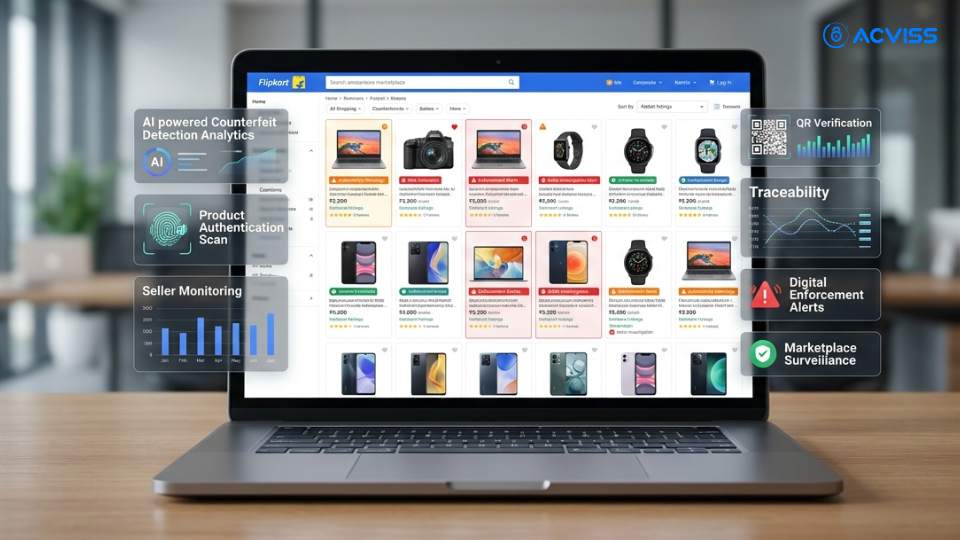
Acviss combines tamper-evident authentication with AI-powered monitoring to make counterfeiting harder to pull off in the first place. That protects your revenue, and it cuts off one of the ways this money moves. Partner with Acviss to make your products harder to fake and easier to trust.
Fortify your brand against counterfeiting’s real cost
Book a free demo and see how Certify’s tamper-evident, AI-powered authentication protects your brand and your customers.
Book a Free DemoMore like this on:Counterfeiting
Related reading
Fake Condoms? Here’s What You Need to Know!
The National Family Planning Program of India is trying to increase the acceptance of condoms. Despite awareness

Why Fake Sporting Goods are a Huge Concern?
Counterfeit sports goods cost the global economy billions annually, with players unknowingly risking their safety and health.