

The Warranty Fraud Tactic Most Auto Brands Don’t Catch
 Mithileshkumar R NaikAug 15, 20262 min read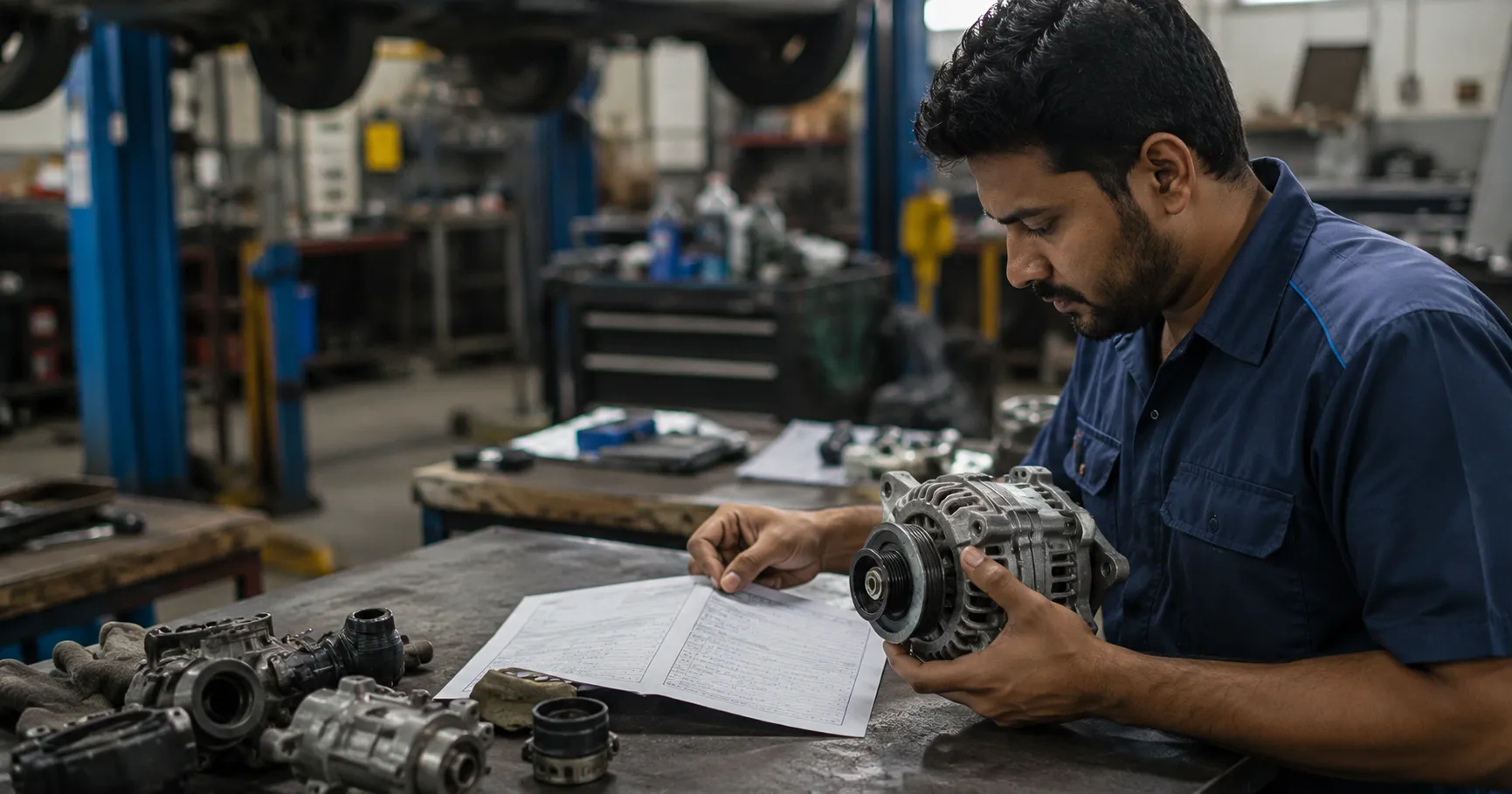
- About 22% of warranty returns are fully functional, meaning nothing was actually wrong with the returned product.
- More than half of warranty returns are either brand new or don’t belong to the manufacturer at all.
- In automotive specifically, fraudsters swap failed OE parts into aftermarket boxes or stuff boxes with unrelated used parts.
- The fix is unit-level identity checked at both the sale and the return, not better claims review, the fraud happens at the return, not the claim.
A customer’s product breaks. They file a warranty claim. Your brand ships a genuine replacement. The customer sends back the old unit, or so the paperwork says. Nobody at the warranty desk opens the returned box closely enough to notice it isn’t actually the unit that was originally sold.
This is the swapped-unit tactic, and it’s more common than most brands assume. Roughly 22% of warranty returns are fully functional, meaning nothing was actually wrong with the product that came back. More than half of all warranty returns are either brand new or don’t belong to the manufacturer at all. In automotive specifically, the pattern shows up as fraudsters swapping failed OE components into aftermarket boxes, or simply stuffing the returned box with used brake pads or unrelated junk to pass a cursory weight-and-shape check.
Why this slips past most warranty processes
Most warranty verification stops at “did a unit come back.” It doesn’t ask “is this the same unit, or even the same product, that was originally sold.” A returns desk processing volume has neither the time nor the tooling to physically inspect every returned unit against the original sale record, so a plausible-looking box with a vaguely matching product inside clears the process without anyone catching that the genuine replacement already walked out the door twice, once as the original sale, once as the “free” replacement, while the counterfeit or defunct unit gets logged as the return.
This is a distinct problem from counterfeit product entering your market through resellers. It’s fraud that uses your own warranty process as the delivery mechanism, and it usually isn’t caught by fraud detection built for claim-photo manipulation or damage-timing anomalies, because the claim itself can be completely genuine. The fraud happens at the return, not the claim.

See Assist in action
See how Assist verifies the actual unit at both ends of a warranty claim.
Explore AssistWhat actually closes this gap
The fix isn’t better claims review, it’s unit-level identity that survives the return. If every genuine unit carries a verifiable, unit-specific identifier at the point of sale, and that identifier is checked again at the point of return, the mismatch is immediate and specific: the returned unit’s identifier doesn’t match, or doesn’t exist, or was already logged as returned once before. That’s a different kind of check than “does this look like the right product,” which is exactly the check swapped-unit fraud is built to pass.
This is what Assist’s warranty management approach is built around, verifying the actual unit at both ends of a warranty claim, not just processing the paperwork around it. The same unit-level thinking underlies warranty fraud prevention generally: fraud that hides inside a legitimate-looking process needs verification built into the process itself, not a review step bolted on afterward.
Sources: Warranty Fraud Explained (2026) (Claimlane); Stopping Warranty Fraud in the Aftermarket (Counterman); Aftermarket Counterfeit Parts: The Hidden Cost (OneArv Ventures).

Stop warranty fraud that hides inside a genuine process
Book a free demo and see how Assist closes the swapped-unit gap.
Book a Free DemoRelated reading

Need for Digital Warranty Management for Electronics Products
Warranty is like a quality assurance given by manufacturers to their customers. Warranty management began as a cost function. But now, the c
Airbag Seizures Are Up 10x: What It Means for Parts
An airbag looks the same whether it’s genuine or not, right up until the moment it’s supposed to deploy. That single fact is wha