
What Is NFC Authentication?
NFC authentication uses Near Field Communication (NFC) tags embedded in or attached to products to verify authenticity when tapped with a smartphone. Each NFC tag contains a secure, encrypted identifier that cannot be duplicated easily, making it a powerful anti-counterfeiting and product verification technology.
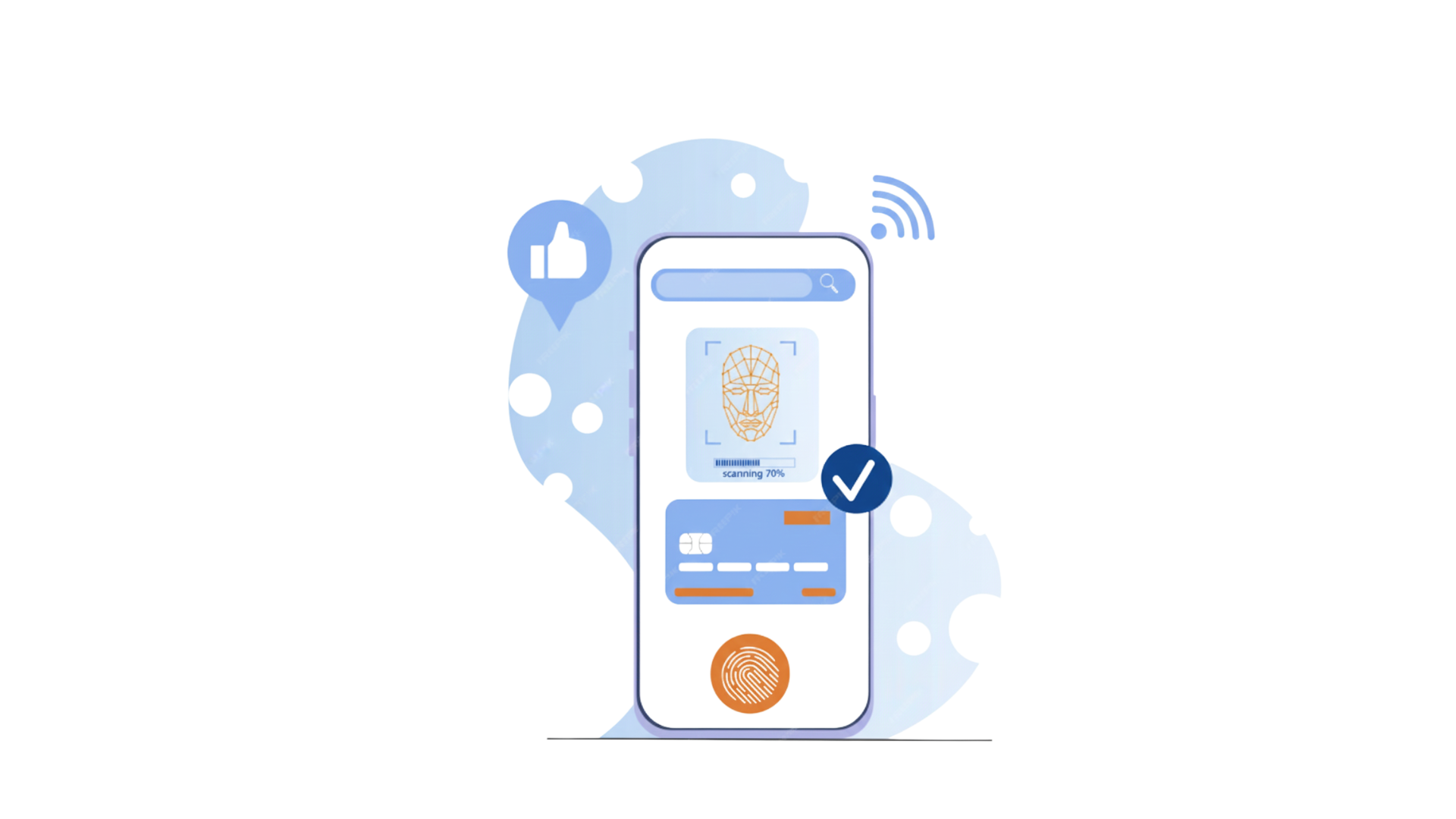
Why NFC Is Used for Authentication
Unlike QR codes, which require scanning with a camera, NFC works with a simple tap, creating a more seamless and premium verification experience. The technology follows open specifications maintained by the NFC Forum, the industry standards body for Near Field Communication.
NFC offers advantages that visual codes alone cannot: hardware-level security, cryptographic challenge-response features, tamper-evident tag designs, hidden embedding inside packaging or product structure, and no reliance on printed surfaces or camera quality. This makes NFC suitable for high-value or high-risk products.
Types of NFC Tags Used in Authentication
- Read-only NFC tags: fixed IDs used for simple authenticity checks
- Crypto NFC tags: secure elements capable of dynamic signing; nearly impossible to clone
- Tamper-evident NFC tags: the tag breaks or becomes unreadable if the packaging is opened
- Embedded NFC microchips: hidden inside luxury goods, electronics or premium packaging
How NFC Authentication Works
Example: NFC in a Premium Electronics Product
Picture a high-end headphone brand that embeds NFC chips in its packaging. The buyer taps the box, the backend validates the cryptographic signature, and the screen reads "Authentic. Warranty starts today." The product's digital twin is activated and warranty details appear instantly. The same frictionless journey delivers:
- High resistance to cloning through encrypted, dynamic security
- Seamless tap-to-verify consumer experience
- Integration with loyalty, warranty and traceability flows
- Hidden or internal embedding options for luxury goods
- Ideal fit for mobile-first verification
- Trusted across luxury goods, electronics, automotive parts, pharmaceuticals, supplements, cosmetics, and wines and spirits
How Acviss Uses NFC in Product Authentication
Acviss enables brands to deploy NFC authentication with crypto-secure NFC tags, tamper-evident options, integrated digital twin activation, authentication logs and scan history, and mobile SDKs for app-based tapping flows.
For layered protection, NFC combines with secure QR codes from Certify, adding a strong physical plus digital security layer to every unit.

Add Tap-to-Verify Authentication with Certify
Certify gives every product a unique, non-clonable identity that consumers verify in seconds, via NFC tap or QR scan, no app download needed. Built for brands and manufacturers.
Book a Free DemoFrequently Asked Questions
It is product verification using a Near Field Communication tag. The tag holds an encrypted identifier; tapping it with an NFC-enabled smartphone triggers a cryptographic check against the brand's backend, which confirms whether the product is genuine.
QR codes are printed and scanned with a camera; NFC tags are hardware chips read by a tap. NFC adds hardware-level security and challenge-response cryptography, works without line of sight, and can be hidden inside packaging. Many brands use both together.
Basic read-only tags can be copied, which is why anti-counterfeiting deployments use crypto NFC tags with secure elements that sign each response dynamically. Those are practically impossible to clone because the private key never leaves the chip.
Read-only tags for simple checks, crypto tags with dynamic signing for high security, tamper-evident tags that become unreadable when packaging is opened, and embedded microchips hidden inside luxury goods, electronics or premium packaging.
No. Modern smartphones read NFC tags natively, and the tap can open a web-based verification page directly. Brands can also offer app-based flows with richer journeys such as warranty activation and loyalty rewards.