What Is Trademark Infringement?
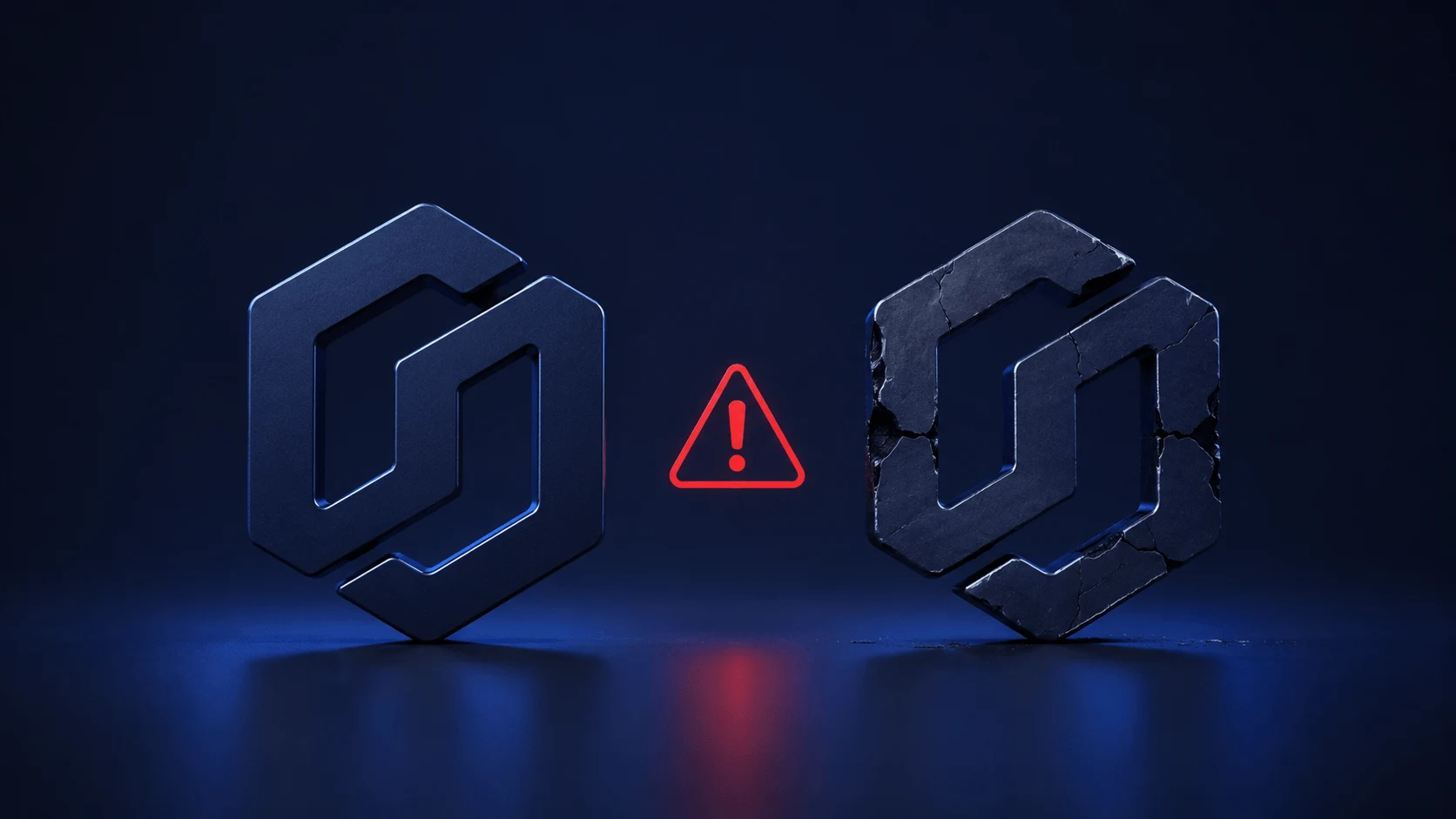
Understanding Trademark Infringement
Infringement takes different forms depending on where it happens. On a product itself, it usually appears alongside anti-counterfeiting concerns, a counterfeit item carrying the brand's exact logo. Online, it shows up as a cloned website, a marketplace listing using registered brand imagery without authorisation, or a domain name close enough to the brand's own to confuse a shopper, a tactic known as typosquatting.
For IP and legal teams, the practical challenge is not proving the trademark is registered, that is usually straightforward, but proving the specific use is unauthorised and likely to confuse customers. This is why documented evidence, screenshots, purchase records, seller details, matters as much as the trademark registration itself when building an enforcement case.
Key Components of Trademark Infringement
Why Trademark Infringement Matters
Unaddressed trademark infringement erodes the exclusivity that makes a brand valuable in the first place. Every unauthorised use, whether a counterfeit product or a cloned website, dilutes customer trust in what the brand's name is supposed to guarantee. For IP-Legal teams, a documented, consistent response to infringement also strengthens the brand's legal standing over time, since courts and platforms weigh a brand's enforcement history when assessing future claims.
- Protects the exclusivity and value of registered trademarks
- Provides evidence-backed grounds for takedown and legal action
- Reduces customer confusion between genuine and unauthorised sources
- Strengthens legal standing for future enforcement through documented history
- Applies across physical products, marketplaces and domain names
How Acviss Supports Trademark Infringement
Truviss by Acviss continuously scans marketplaces, websites and social platforms for unauthorised use of a brand's registered assets, giving IP-Legal teams a documented, evidence-ready case the moment infringement is detected.
Where infringement appears on physical products, Acviss pairs this with Certify scan data, so a legal team can show not just that a mark was used without authorisation, but that the product itself fails authentication.
Build evidence-ready infringement cases
See how Acviss detects unauthorised use of your registered trademarks across channels.
Book a Free DemoFrequently Asked Questions
Any unauthorised use of a registered name, logo or mark, or something confusingly similar, that misleads customers about the source of a product or service.
Generally no, reselling authentic goods is typically permitted. Infringement concerns arise when the goods are counterfeit, or when the mark is used in a way that misrepresents an unauthorised seller as an official channel.
Through continuous scanning of marketplaces, websites, domains and social platforms for unauthorised use of registered logos, product imagery or brand names.
Most cases start with a takedown request to the hosting platform. Repeat or high-impact infringement escalates to a cease-and-desist notice or further legal action.
No. It applies equally to digital use, cloned websites, unauthorised marketplace listings and domain names that misuse a registered mark.