Brand Protection for FMCG Companies
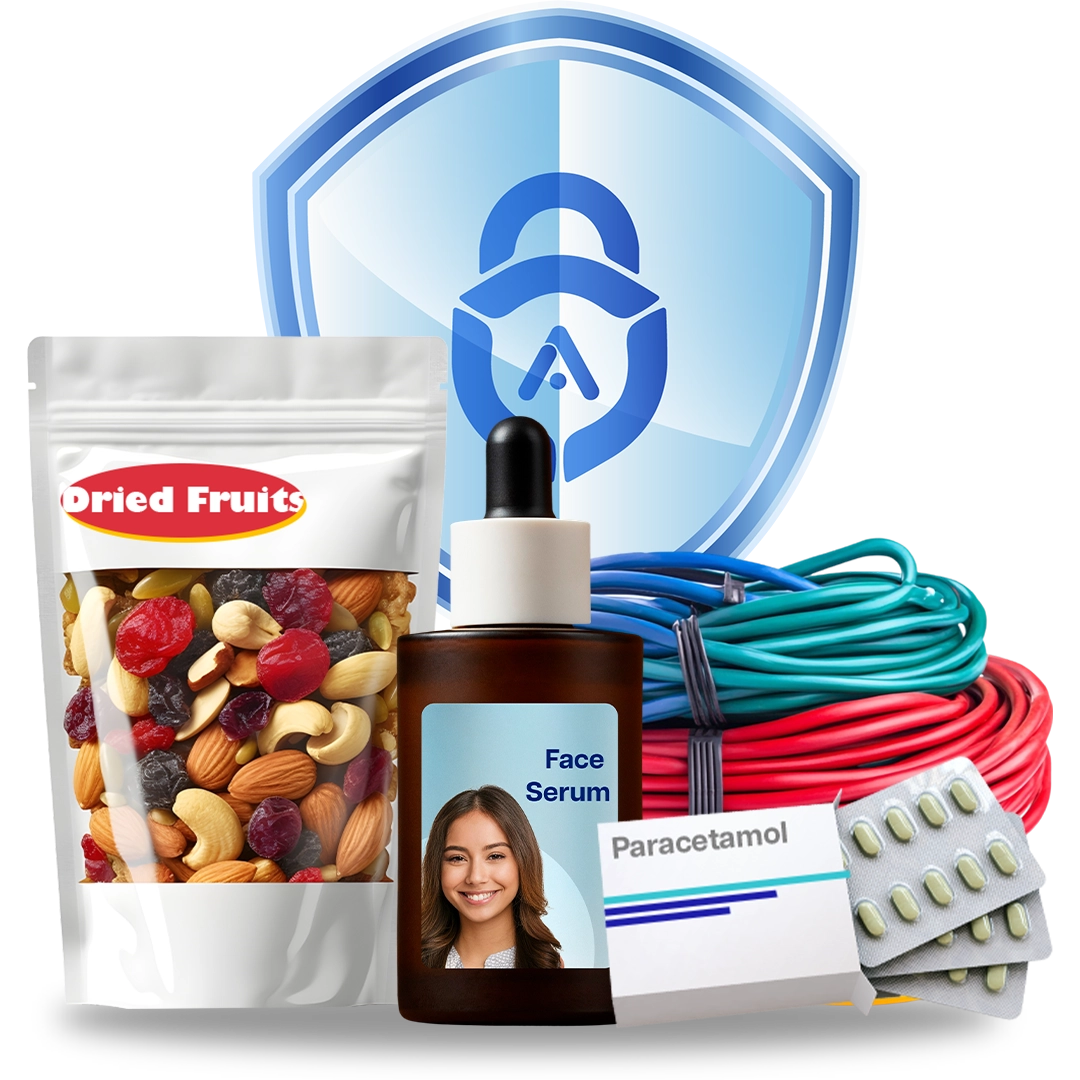
The OECD estimates counterfeiting costs FMCG brands $1.8 trillion annually. In your category, the fake product on the shelf next to yours is not a future risk. It is already there.




FMCG Is the Largest Category Affected by Counterfeiting
Most FMCG brands discover counterfeiting after a consumer complaint reaches their customer care line or a social media post goes viral. The data tells you the problem is active well before that point.
Six Ways Your Products Get Compromised Before Reaching the Consumer
A near-identical product with a slightly different logo is selling next to yours in kirana stores. The distributor does not know the difference. Your sales rep only notices when a consumer complains about quality. By then your brand's reputation in that market has already taken a hit.
Empty shampoo bottles, cooking oil tins, and detergent packs are refilled with substandard product and resealed. The packaging is yours. The quality is not. These move through local distributors who buy them cheaply and ask no questions.
Genuine product is bought in bulk, diluted, repackaged, and sold at a small discount. The consumer notices slightly lower quality and assumes your formulation changed. You lose the consumer before you ever know there was a fake in the channel.
Product past its best-before date returns to the channel with a restickered date label. It ends up on shelves in secondary markets. The consumer experiences spoilage or reduced efficacy and holds your brand responsible.
Your SKU appears on Blinkit, Zepto, Amazon, or Flipkart from a seller you have never heard of. The listing looks identical to yours. The product delivered is counterfeit or diluted. Your rating takes the review hit.
Distributors in price-protected markets sell to brokers who move your product into premium markets at a discount. Your authorised distributors in premium markets lose business and start asking why they are paying full price.
Four Regulatory Frameworks Your Team Is Already Accountable To
If you sell FMCG products in India, the US, or the EU, at least two of these apply to you right now. Acviss maps to each framework so your team does not have to build separate systems for separate markets.
The Food Safety and Standards Authority of India requires labelling compliance, batch traceability, and QR-linked product information under FSSAI's Digital Labelling initiative. Food and FMCG brands are expected to provide consumers with scan-accessible product data including ingredients, manufacture date, and batch details.
FDA Food Safety Modernization Act Rule 204 mandates Key Data Elements and Critical Tracking Events for high-risk foods by January 2026. Manufacturers, processors, and distributors must maintain records sufficient to identify the previous and subsequent supply chain steps for each high-risk food item.
The EU Farm-to-Fork strategy requires food and FMCG brands selling in the EU to demonstrate supply chain traceability from source to consumer. Brands must be able to show where raw materials originate, how the product was processed, and which supply chain steps it passed through before reaching the retail shelf.
GS1 Global Traceability Standard is the common framework for FMCG supply chain data exchange across retail, distribution, and logistics. Major retailers including Walmart, Tesco, and Carrefour have issued supplier mandates requiring EPCIS-compatible traceability data from their FMCG partners.
Authenticate. Trace. Monitor.
Three products that cover the full surface area of FMCG brand protection. Start with the part of the problem that is most urgent for your team and add the rest on a rolling schedule.
Each pack gets a unique digital identity that cannot be cloned or reused. Your consumers scan and know in under two seconds whether what they bought is real.
- Unit-level QR and 2D code generation at line speed
- Tamper-evident holographic label with digital twin
- Consumer scan confirms genuine in under two seconds
- Rescan alert catches refilled and returned packs
- Scan geography heatmap shows where fakes concentrate by region
- FSSAI-compliant QR label data format
Track every batch from manufacturing through the distributor network to the retail shelf. When a batch diverts or a scan event falls outside authorised territory, your team gets an alert before the product reaches the consumer.
- Blockchain chain of custody from plant to point of sale
- GPS-tagged scan at every distributor and sub-distributor node
- Batch-level recall execution in hours
- Automatic diversion alert when product scans outside authorised territory
- Multi-market compliance data (FSMA, FSSAI, EU) from one platform
- Distributor performance dashboard by scan compliance rate
Monitor every online channel where your brand appears without your permission. Your brand protection team gets counterfeit and grey market alerts with the evidence already packaged for takedown submission.
- AI detection of counterfeit and grey market listings across e-commerce and quick-commerce platforms
- Fake seller identification on Flipkart, Amazon, Meesho, Blinkit, and regional platforms
- Automated takedown evidence packaging
- Brand impersonation detection for fake D2C stores
- Grey market price monitoring by geography
- Weekly threat intelligence report for your brand protection team
See How Acviss Supports FMCG Online Brand Protection
Get a tailored online brand protection plan for your FMCG products and channels.
- ✅ Risk Audit: We map your FMCG product, channel, and customer journey.
- ✅ Live Demo: See Acviss online brand protection workflows on your use case.
- ✅ Tailored Rollout: Get a practical deployment plan for your products and existing systems.
Trusted by Leading Brands
Protect Products.Build Trust.
Things FMCG Brand Teams Ask Us
Your Brand Is Sitting on the Same Shelf as Its Fake.
80+ brands across 11+ countries have deployed Acviss to take back their shelf. Book a call and we will show you where counterfeiting is hitting your category hardest.