What Is Blockchain Based Supply Chain Traceability?
Blockchain based supply chain traceability is a method of recording, validating, and tracking every movement of a product across its lifecycle using a secure, tamper-proof digital ledger.
Every transaction, scan, process step, and handover is stored as an immutable entry, ensuring that data cannot be altered, duplicated, or deleted. This creates a single, verifiable source of truth across manufacturers, suppliers, distributors, retailers, and regulators.
Unlike traditional traceability systems, blockchain does not rely on any single party to maintain data integrity. Instead, authenticity and transparency are enforced through a distributed network that validates each event using cryptographic proofs.
Why Is Blockchain Used in Supply Chains?
Modern supply chains face significant challenges including opacity, fraudulent entries, counterfeiting, incorrect documentation, and unreliable data exchanges. Blockchain addresses these gaps by:
- Ensuring all participants see the same verified information
- Preventing manipulation of records
- Enabling automated workflows with smart contracts
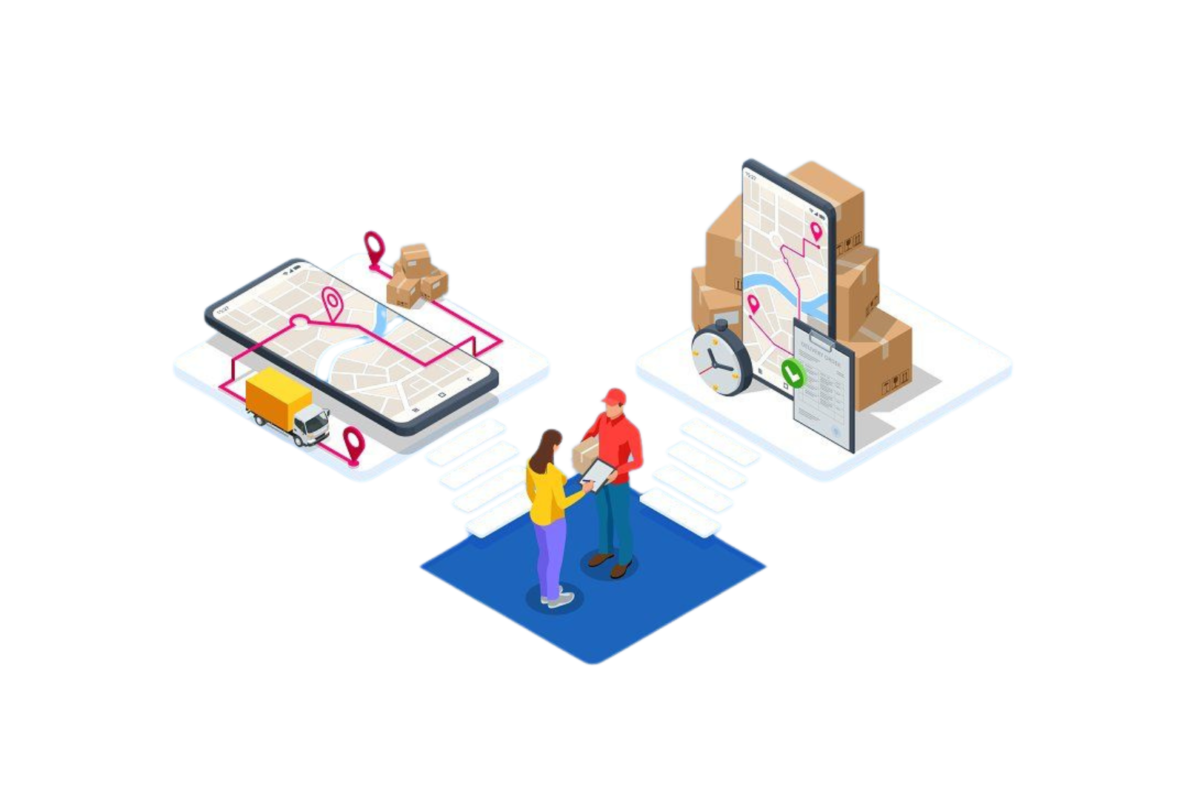
- Allowing real-time tracking and authentication
- Providing end-to-end visibility from origin to consumer
This makes it particularly valuable for sectors like pharmaceuticals, agro-chemicals, FMCG, luxury goods, electronics, automotive parts, and food safety compliance.
How Blockchain Traceability Works
- Each unit or batch receives a unique digital identity (UID).
- Every supply chain action, such as manufacturing, testing, warehousing, or transport, generates a digital event.
- These events are written to the blockchain ledger, creating an immutable record.
- Participants verify each transaction cryptographically, preventing data tampering.
- Brands and consumers can view the complete product journey, ensuring trust and transparency.
Key Benefits of Blockchain based Supply chain Traceability
1. End-to-End Visibility
Track product origins, processing steps, quality checks, and handovers across multiple stakeholders.
2. Stronger Anti-Counterfeiting Safeguards
Blockchain confirms product authenticity and reduces the risk of fake or duplicate entries entering the system.
3. Regulatory and Compliance Support
Ideal for industries requiring audit trails such as pharmaceutical DSCSA, food traceability, EPA compliance, and export documentation.
4. Improved Supply Chain Efficiency
Data reconciliation becomes easier because all participants reference a common verified ledger.
5. Enhanced Consumer Trust
Brands can provide transparent product histories to consumers, improving confidence and loyalty.
Common Use Cases
- Tracking ingredient and raw material origins
- Monitoring quality control processes
- Verifying certifications such as organic, EPA, or fair-trade
- Authenticating high-value goods
- Reducing product diversion and grey-market activity
- Managing recalls with precise batch history
- Integrating with IoT sensors for automated data capture
How Acviss Supports Blockchain based Supply Chain Traceability?
Acviss integrates blockchain as part of a flexible traceability architecture that connects physical product identifiers with secure digital twins.
Events captured through manufacturing systems, ERP, LIMS, IoT devices, or field operations are recorded on a secure chain, enabling immutable documentation and frictionless audits.
Brands using Acviss gain:
- Secure product identifiers
- Provenance and lifecycle tracking
- Real-time authentication across channels
- Automated anomaly detection
- Scalable product-level traceability
Related Articles
Why Modern ERPs Rely on Trust Layer Partners to Protect Supply Chains
Why Inventory Visibility Stops at the Warehouse and How Traceability Extends It