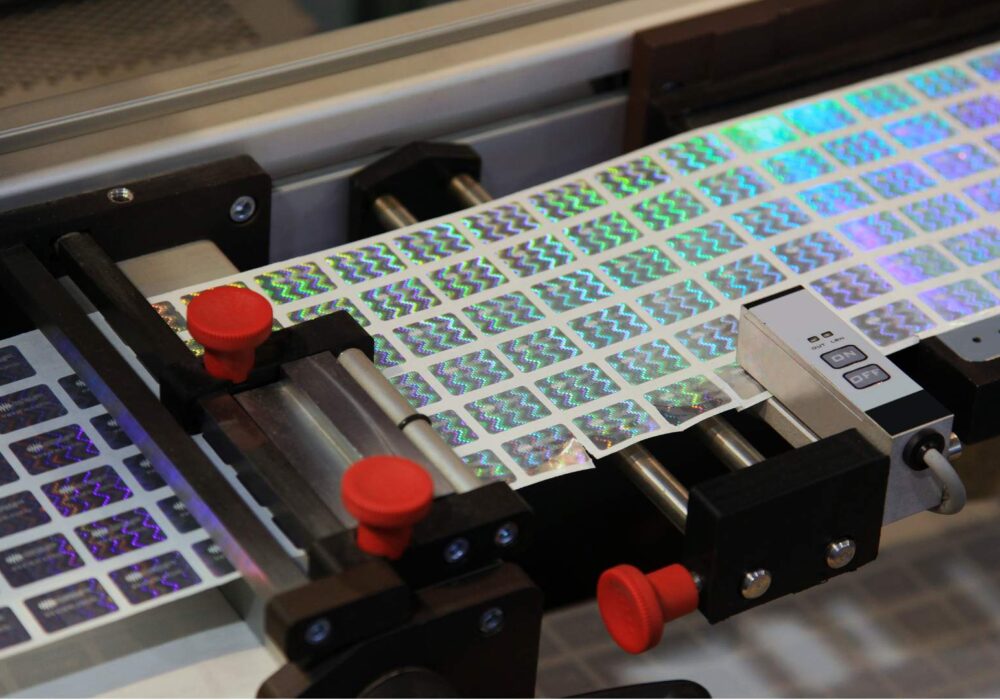
Tamper-Proof Labels
What Are Tamper-Proof Labels?
Tamper-proof labels, also called tamper-evident labels, are security labels designed to show visible and irreversible signs of interference when someone attempts to open, peel, or manipulate a product or its packaging.
They help manufacturers, distributors, and retailers detect unauthorized access, adulteration, refilling, product swapping, and other forms of manipulation.
These labels are a critical part of packaging security, product integrity, and anti-counterfeiting systems, especially in regulated sectors.
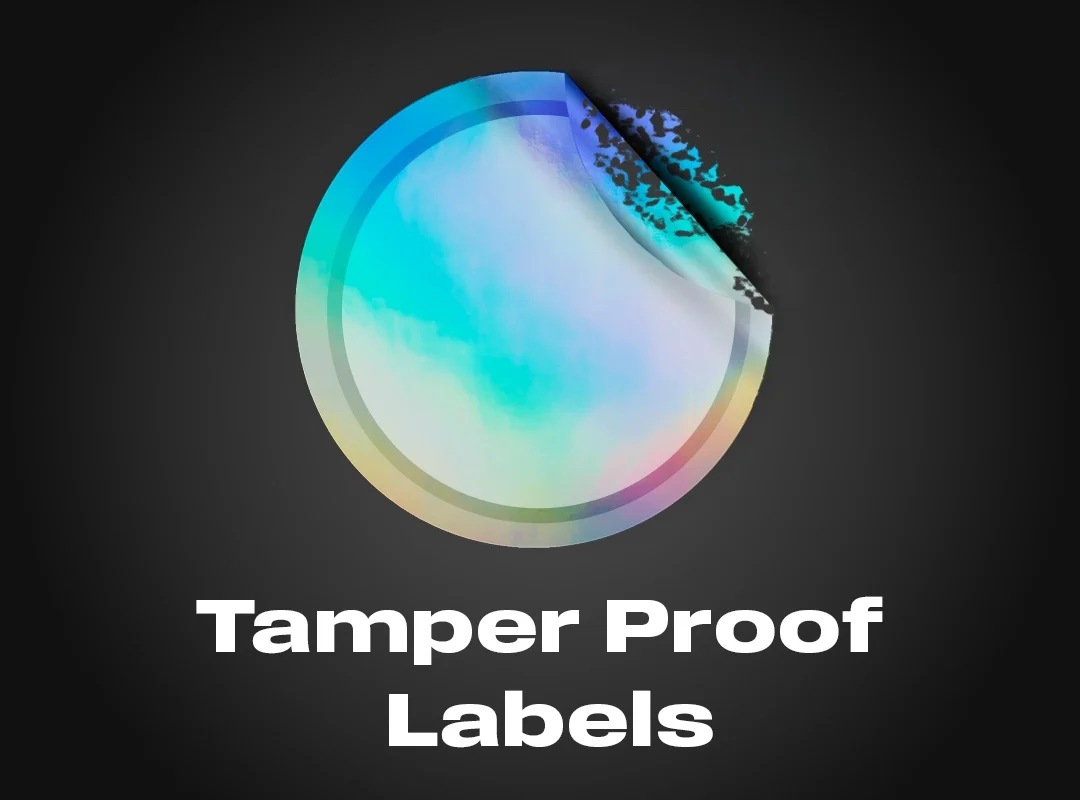
Why Tamper-Proof Labels Matter
Tampering can occur at multiple points — manufacturing, warehousing, transport, retail shelves, or through unauthorized refilling. Tamper-proof labels help:
- Detect tampering instantly
- Reduce risks of adulteration and contamination
- Prevent fraudulent refilling and resealing
- Support compliance in regulated industries
- Strengthen consumer trust
- Reduce financial and reputational loss
They serve as one of the simplest, most universal forms of physical security.
Types of Tamper-Proof Labels
1. Void Labels
Leave a “VOID,” “OPENED,” or custom pattern on the surface when lifted.
Uniquely suited for electronics, FMCG, pharma cartons, and logistics.
2. Destructible Labels
Made from brittle materials that break into fragments when removed.
Common in electronics, industrial equipment, and warranty-sensitive products.
3. Tamper-Evident Seal Labels
Placed across caps, lids, bottles, or flap closures.
Once the seal breaks, it cannot be realigned or resealed invisibly.
4. Fibre-Tear Paper Labels
Paper tears in unpredictable patterns if pulled, giving obvious evidence of manipulation.
5. Heat- or Pressure-Sensitive Tamper Indicators
Change colour or lose adhesion if exposed to heat or excess pressure.
6. High-Security Tamper-Proof Labels (Enterprise-Grade)
These include multiple security layers, typically used by large brands with higher risk exposure:
- Custom holograms
- Serialized numbering
- Secure QR codes
- Non-cloneable technology (PUF or material-based randomness)
- Covert and overt security features
- Track-and-trace integration
These labels provide both tamper evidence and authentication, making them suitable for large-scale operations.
Small-Scale vs Enterprise-Grade Tamper-Proof Labels
Small-Scale Manufacturers (Budget-Friendly Options)
-
Can purchase generic tamper-proof labels from marketplaces such as IndiaMART, Amazon, TradeIndia, Alibaba, etc.
-
Common options include:
-
Void stickers
-
Destructible seals
-
Basic holographic labels
-
-
Benefits: cost-effective, low MOQ, immediate availability.
-
Used by SMEs, homegrown brands, resellers, and local manufacturers.
Limitation:
Generic labels offer limited protection because counterfeiters can buy the same labels online.
Enterprise-Scale Manufacturers (High-Security Requirements)
Larger brands typically need customized tamper-proof solutions that include:
-
Custom holographic masters
-
Brand-specific design elements
-
Serialized and trackable labels
-
Secure QR / encrypted identifiers
-
Digital verification workflows
-
Non-cloneable signatures
These advanced features prevent:
-
Label replication
-
Refilling
-
Label swapping
-
Distribution-level tampering
-
Counterfeit entry into supply chains
At scale, physical tamper-evidence must combine with digital authentication for full protection.
Pricing of Tamper-Proof Labels
1. Generic Market Labels
-
Void stickers: ₹0.20 – ₹1.00 per label
-
Destructible vinyl labels: ₹0.50 – ₹1.50 per label
-
Basic hologram stickers: ₹0.30 – ₹1.00 per label
-
MOQ: Often small (100–1000 units)
Suitable for SMEs and low-risk items.
2. Custom Branded Security Labels
-
Customized hologram labels: ₹0.50 – ₹3.00 per label
-
Tamper-evident seals with brand graphics: ₹0.80 – ₹4.00 per unit
-
Serialized printing: +₹0.10 – ₹0.50 per label
Medium-risk FMCG, agri-inputs, cosmetics.
3. High-Security Labels with Authentication Layers
-
Secure QR + serialization: ₹0.20 – ₹0.80
-
Hologram + serialization + QR: ₹0.50 – ₹2.50
-
Non-cloneable labels / PUF: ₹1.00 – ₹5.00+
-
Digital verification + traceability: additional service cost
Preferred for pharma, agro-chemicals, electronics, high-value FMCG.
Pricing depends heavily on:
- Volume
- Design customization
- Material selection
- Supply chain risk
- Regulatory requirements
- Need for integration with software systems
How Tamper-Proof Labels Strengthen Supply Chain Integrity
1. Physical Layer
- Shows visible damage
- Prevents discreet access
- Stops resealing or packet swapping
2. Digital Layer (When Used With Codes)
- Confirms authenticity
- Captures scan events and anomalies
- Connects each unit to a Digital Twin
- Supports recalls, traceability, and distributor operations
Modern anti-counterfeiting relies on – Phygital fusion, not either alone.
Use Cases Across Industries
- Pharmaceuticals: regulated tamper-evident packaging
- Agro-Chemicals: prevent refilling and fakes
- Cosmetics & FMCG: consumer trust and purity
- Nutrition & Supplements: contamination prevention
- Electronics: warranty and repair authenticity
- Automotive Parts: traceable components
- E-commerce & Logistics: secure last-mile delivery
Examples of Tamper-Proof Scenarios
- Refilling Attempt on Agrochemical Bottle
Seal breaks; “VOID” pattern appears; digital scan flags mismatch.
- Counterfeit Electronics Repair
Warranty label cracks into fragments, showing unauthorized opening.
- Cosmetic Jar Lid Manipulation
Break-seal label tears visibly; consumer rejects item.
FAQ 1: What are tamper-proof labels used for?
Tamper-proof labels are used to show clear evidence of interference on product packaging. They help prevent unauthorized opening, refilling, resealing, or product swapping across supply chains. Industries like pharmaceuticals, agro-chemicals, FMCG, cosmetics, and electronics rely on tamper-proof labels to ensure product integrity.
FAQ 2: How do tamper-proof labels work?
Tamper-proof labels work by reacting visibly when someone tries to remove or alter them. They may leave a VOID pattern, tear irreversibly, break into fragments, or distort when peeled. Some advanced labels also contain secure QR codes or non-cloneable features for digital authentication.
FAQ 3: What types of tamper-proof labels are available?
Common types include VOID labels, destructible labels, tamper-evident seal labels, fiber-tear paper labels, heat-sensitive indicators, and high-security labels with holograms, serialization, or non-cloneable technology.
FAQ 4: Can tamper-proof labels be purchased online?
Yes. Non-branded tamper-proof labels can be purchased from marketplaces such as IndiaMART, Amazon, TradeIndia, and Alibaba. These are cost-effective options for small-scale manufacturers but offer limited protection because the same labels are publicly available.
FAQ 5: Why do large brands avoid generic tamper-proof labels?
Large brands face higher counterfeiting and refilling risks, so they require custom tamper-proof labels with added security layers, such as holograms, serialized numbers, secure QR codes, or non-cloneable identifiers. These reduce duplication and strengthen supply chain trust.
FAQ 6 : Are tamper-proof labels mandatory in any industry?
Certain sectors, such as in pharmaceuticals industry, infant foods, agro-chemicals, and regulated FMCG categories, often require tamper-evident packaging to comply with safety and authenticity standards.
Related Articles
Why Tamper-Proof Packaging is The First Line of Defence Against Counterfeits
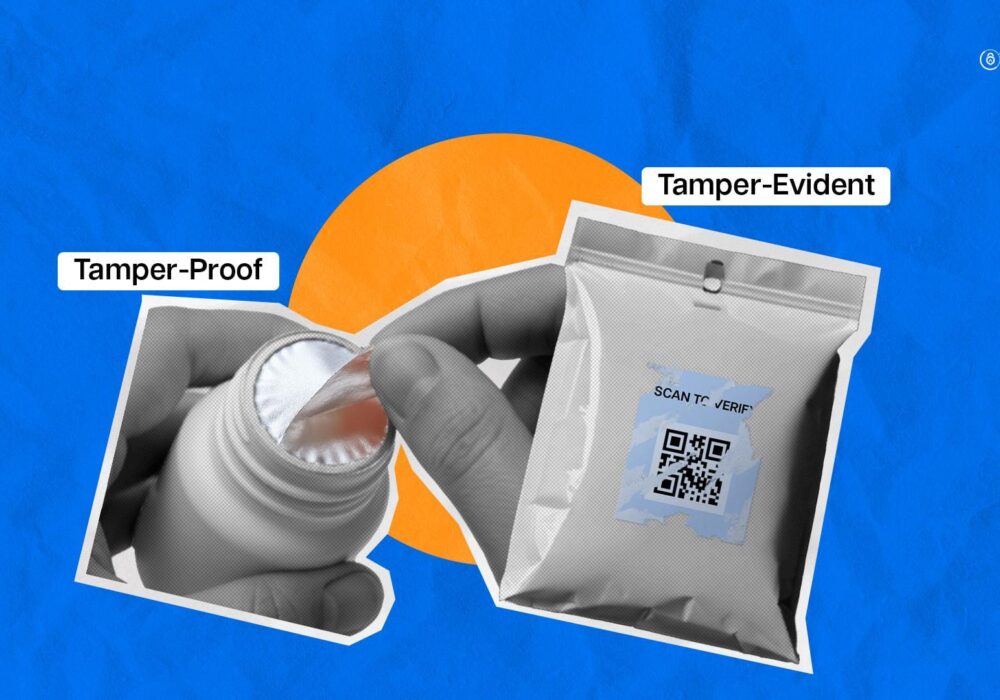
Tamper-Proof vs Tamper-Evident: What's Best for Your Product Line