
ESG Score
What Is an ESG Score?
An Environmental, Social, and Governance (ESG) score is a consolidated rating that evaluates a company’s performance in three core areas. These areas represent how responsibly the organisation interacts with the environment, society and internal governance frameworks. Global ESG scoring has grown significantly, with major rating agencies covering more than 10,000 listed companies worldwide.
In practice, an ESG score is neither a simple checklist nor a fixed global standard. Different agencies use varied methodologies, weightages and data sources. However, the intention remains the same. The score helps investors, regulators and customers evaluate whether a company’s long-term practices align with expectations of ethical, sustainable and transparent operations.
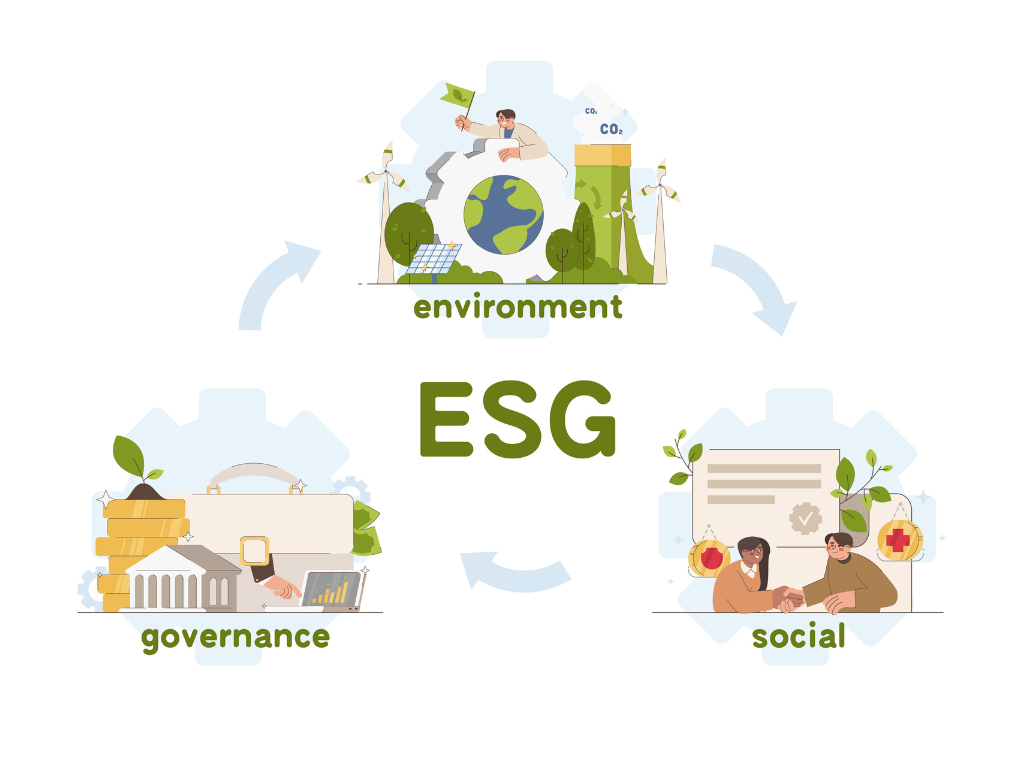
Breaking Down ESG Components
Environmental Factors
- Environmental performance measures how a business impacts the planet.
- Common parameters include energy use, greenhouse gas emissions, waste management, water consumption and responsible sourcing.
- For manufacturers and brands dependent on raw materials, EUDR compliance and Product traceability across the supply chain are increasingly linked to environmental scoring.
- Regulators in the EU, UK and major Asian markets are tightening reporting requirements.
- For example, over 50,000 companies worldwide are expected to fall under mandatory sustainability reporting frameworks by 2028.
Social Factors
- Social metrics examine how an organisation interacts with people.
- This includes workforce health, diversity, labour practices, community engagement and overall customer satisfaction.
- For consumer-facing brands, the quality and safety of products are important contributors. Issues such as counterfeiting, misleading representation and weak customer engagement negatively affect the social score because they impact trust and customer well-being.
- Product Authentication and Brand Verification systems help reduce these risks by giving customers confidence in what they purchase.
Governance Factors
- Governance evaluates oversight, ethics and internal accountability.
- It includes board diversity, compliance, transparency in reporting, risk management and protection of intellectual property.
- Many companies underestimate how closely their governance score is tied to Trademark Protection, IP Protection and Anti-counterfeiting solutions.
- Weak controls expose organisations to product misuse, brand impersonation and financial risk.
- Transparent data management, audit trails and responsible vendor oversight all strengthen governance scores
Why the ESG Score Matters for Brands
Increased Investor Scrutiny
Institutional investors increasingly rely on ESG scores to direct their capital. Over USD 30 trillion in global assets are allocated with sustainability criteria in mind. Companies with higher ESG scores tend to have lower long-term risk profiles and stronger market credibility.
Regulatory Pressure
Governments across continents are moving towards mandatory sustainability disclosures. The UK, EU and several Asia-Pacific nations now require companies in high-risk sectors to provide ESG-aligned reports. A weak ESG score not only affects investors but may indicate potential compliance gaps, especially in complex industries such as chemicals, automotive, electronics and fast-moving consumer goods.
How ESG Scores Are Calculated
Data Collection
Organisations submit sustainability reports, emissions disclosures, supplier assessments and internal governance documents. Public information such as legal filings, news reports and independent studies are often included.
Weightage and Scoring
The environmental, social and governance components are weighted based on industry relevance. For example, environmental factors carry more weight for an energy company, while governance may be more heavily weighed for a financial services provider.
Scores are then normalised or ranked relative to peers in the same sector. Most scoring frameworks convert results into numeric ranges such as 0 to 100 or alphabetic ratings akin to credit scores.
Third-party Validation
To reduce bias, many agencies use external data and verification tools. Product Authentication platforms, supply chain traceability technologies and IP-related legal records help validate claims made by companies.
Strengthening ESG Score Through Technology
Brand Protection Technologies
Brand protection solutions safeguard intellectual property, prevent misuse of identity and improve overall governance credibility. Companies with stronger Trademark and IP records tend to perform better in governance scoring.
Product Authentication and Anti-counterfeiting Solutions
Digital codes, tamperproof labels and verification platforms ensure customers receive genuine products. This improves customer satisfaction and supports responsible product handling across the supply chain.
Brand Protection Technologies
Brand protection solutions safeguard intellectual property, prevent misuse of identity and improve overall governance credibility. Companies with stronger Trademark and IP records tend to perform better in governance scoring.
Related Articles

How to Choose a Non-Cloneable Label for Your Brand

A New Age of Product Authentication with AI Labels