Trust Layer in a Supply Chain
What Is the Trust Layer in a Supply Chain?
The Trust Layer is the foundational framework that ensures every product event, data entry, and interaction across the supply chain is authentic, validated, and reliable.
It establishes how trust is created, verified, and preserved between manufacturers, distributors, retailers, systems, and consumers.
Where traditional supply chains rely on documents, barcodes, and manual confirmations, the Trust Layer brings structured, technology-driven assurance. It ensures that only legitimate products and verified data can move forward in the system.
This layer is essential for brands that face risks related to counterfeiting, diversion, fraud, data inconsistencies, and regulatory demands for transparency.

Why the Trust Layer Matters
Modern supply chains operate across fragmented networks, often involving:
- Many independent actors
- Varying levels of digital maturity
- Weak authentication points
- Limited visibility into product movement
- High exposure to fraud and manipulation
Without a Trust Layer, supply chains struggle with:
- Unverified data entering ERPs and logistics systems
- Fake or diverted products appearing in the market
- Inconsistent records during audits
- Poor consumer and partner confidence
The Trust Layer corrects this by enforcing validation before acceptance.
Only trusted identities, trusted data, and trusted events are allowed into the ecosystem
Core Functions of the Trust Layer
1. Identity Trust
Ensures every product, batch, or digital twin has a secure, non-replicable identity.
2. Data Trust
Validates the accuracy and legitimacy of every data point.
3. Event Trust
Checks whether each scan, movement, or transaction matches expected patterns.
4. System Trust
Ensures downstream platforms like ERP, SCM, and LIMS receive clean, verified inputs.
5. Ecosystem Trust
Builds a shared confidence framework across suppliers, distributors, partners, and customers.
How the Trust Layer Works
- Secure identifiers are applied at manufacturing.
- Each product interaction (scan, QC event, logistics update) enters a verification process.
- Validation rules and AI models confirm whether the interaction is legitimate.
- Suspicious signals such as duplicates, location mismatches, or unusual device behaviour are flagged.
- Approved events are passed into backend systems as trusted records.
Benefits of a Supply Chain Trust Layer
- Higher confidence in product authenticity
- Strong protection against counterfeits
- Cleaner, consistent data across systems
- Reduced risk of diversion or fraud
- Faster compliance and audit readiness
- Improved coordination across stakeholders
- Stronger consumer trust and brand reputation
The Trust Layer is the backbone of any modern, resilient supply chain.
Role of Traceability & Authentication in PPQ
Modern PPQ documentation benefits from digital traceability systems:
- Real-time logging of batch parameters
- Secure identifiers tied to Digital Twins
- Automated audit trails for process events
- Inline printing validation and label accuracy
- QC/QA test result integrity
- Recall readiness if PPQ deviation occurs
Platforms like Acviss strengthen PPQ transparency and compliance integrity.
Where the Trust Layer Applies
- Pharmaceuticals and regulated medical supply chains
- Agro-chemicals, seeds, and fertilizers
- FMCG and cosmetics
- Electronics and automotive components
- E-commerce and omnichannel retail
- Food exports under strict regulatory oversight
- High-value lifestyle and luxury goods
Any supply chain with risk exposure benefits from this framework.
How Acviss Enables the Supply Chain Trust Layer
Acviss builds the Trust Layer using:
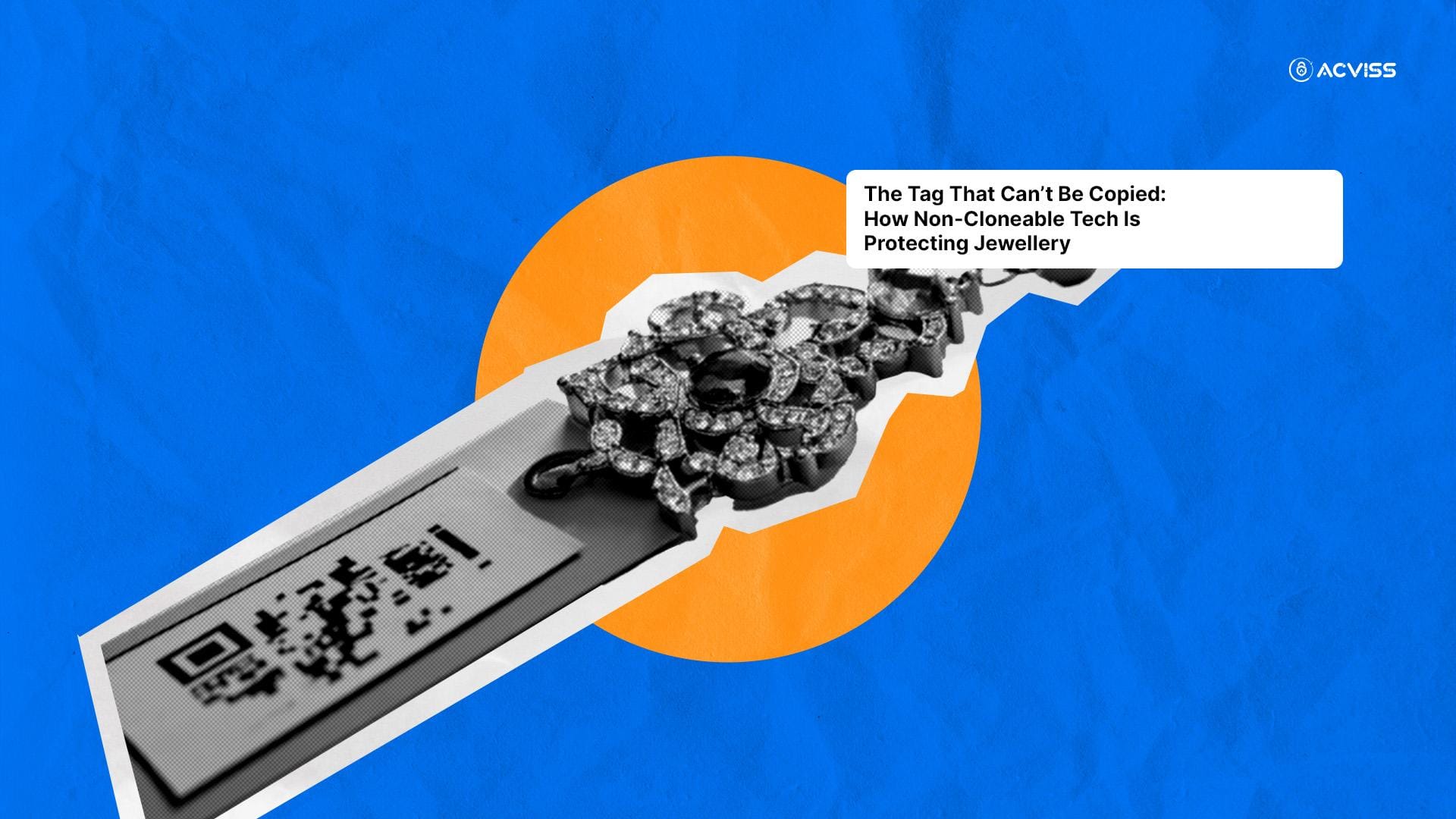
- Non-cloneable product identifiers
- A Digital Verification Layer that validates every interaction
- AI-driven anomaly and fraud detection
- Immutable event trails
- Product lifecycle intelligence
- Seamless integration into ERP, SCM, and LIMS systems
Acviss ensures that every product, every data point, and every lifecycle event is rooted in verifiable trust. Strong data integrity with tamper-proof logs
This creates end-to-end visibility from batch creation to validation.

Related Articles

Top 10 Challenges in Supply Chain Product Tracking, How to Overcome Them

Ensuring Product Authenticity: A Comprehensive Guide for Your Brand