
Secure QR Codes
What Are Secure QR Codes?
Secure QR Codes are enhanced QR codes designed with built-in protection against duplication, manipulation, and unauthorized reuse.
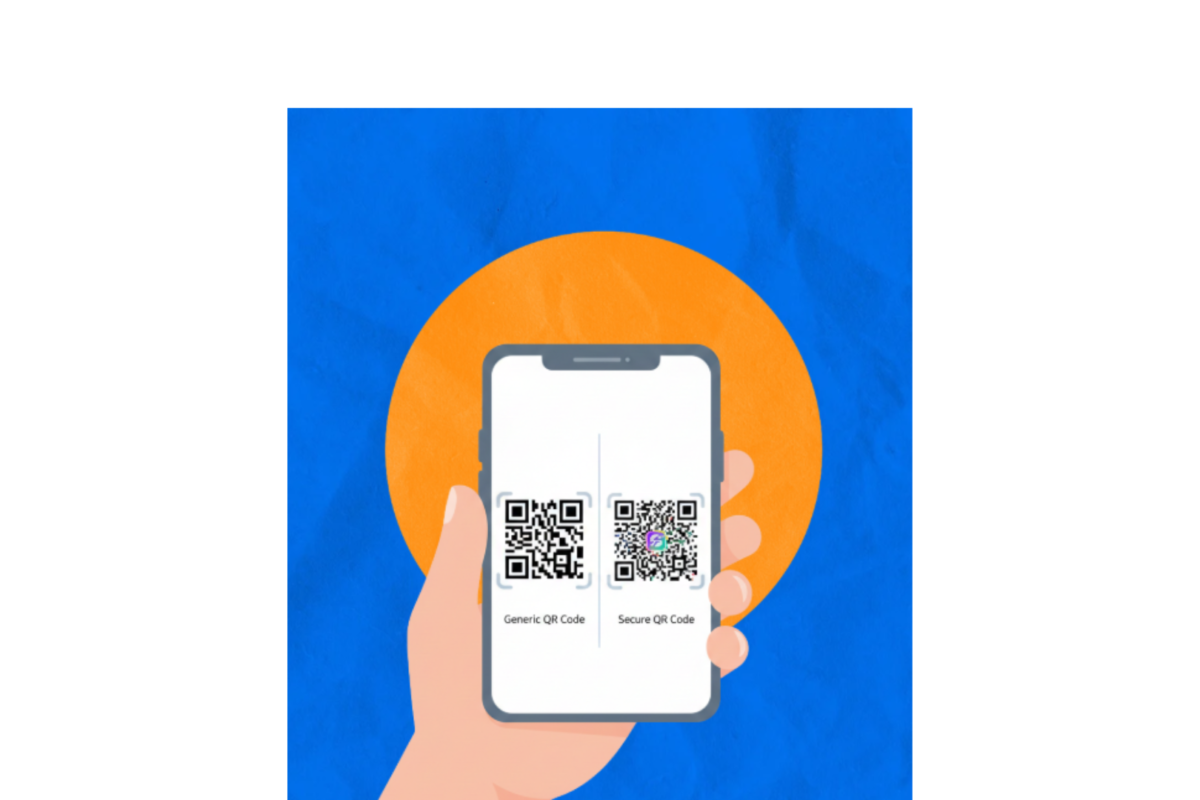
Unlike generic QR codes that can be easily copied, printed, or recreated, Secure QR Codes embed cryptographic signatures, dynamic tokens, behavioural properties, or server-side validation rules that make every scan verifiable and every duplicate attempt detectable.
Brands use Secure QR Codes to authenticate products, capture lifecycle events, validate channel movement, and prevent counterfeiters from cloning simple, static QR designs.

How Secure QR Codes Differ from Generic QR Codes
Generic QR Codes
- Static and easy to copy
- Store plain data (URL, text)
- No authentication capability
- No clone detection
Secure QR Codes
- Protected against duplication
- Validate authenticity through server-side cryptography or non-cloneable logic
- Can detect suspicious scan patterns
- Can be linked to digital twins
- Work within Trust Layer and Verification Layer architectures
This differentiation is crucial because counterfeiters routinely copy generic QR codes and place them on fake products. Secure QR Codes close that vulnerability.
Key Features of Secure QR Codes
1. Cryptographic or Encrypted Payloads
Data inside the code cannot be replicated accurately.
2. Server-Side Authentication Logic
Each scan is validated against trusted records, not just decoded.
3. Non-Cloneable Behaviour
Spoofing, screenshotting, and duplication attempts fail verification.
4. Tamper-Aware Scanning
Anomalies such as repeated scans, location mismatches, or device fingerprints are detected.
5. Integration with Digital Twins
Each code links to a unique digital identity for lifecycle tracing.
6. Environment-Aware Events
Secure QR Codes capture metadata such as geolocation, timestamp, device type, or scan patterns.
Why Brands Use Secure QR Codes
- To prevent counterfeit products from entering the market
- To maintain supply chain integrity
- To detect diversion through anomalous scan locations
- To provide transparent consumer-facing verification
- To support warranty, loyalty, and engagement journeys
- To feed clean data into traceability systems (ERP, SCM, LIMS)
Use Cases Across Industries
- Pharmaceuticals and medical devices
- Agro-chemicals and seed companies
- FMCG and cosmetics
- Electronics, automotive parts, and appliances
- Luxury goods and lifestyle products
- Nutraceuticals and supplements
- Industrial equipment and spares
Any product easily copied, resealed, or repackaged benefits from Secure QR Codes.
How Acviss Implements Secure QR Codes
Acviss Secure Codes are built on:
- Cryptographic non-replicability
- AI-driven anomaly detection
- Device and location fingerprinting
- Tamper-proof scan histories
- Integration with Digital Verification Layer and Trust Layer
- Linkage to product-level digital twins
- Authentication journeys for consumers, dealers, or field teams
This ensures genuine products are always distinguishable from counterfeits, even if packaging or labels are duplicated.
Related Articles

How to Choose a Non-Cloneable Label for Your Brand
A New Age of Product Authentication with AI Labels