
NFC Authentication
What Is NFC Authentication?
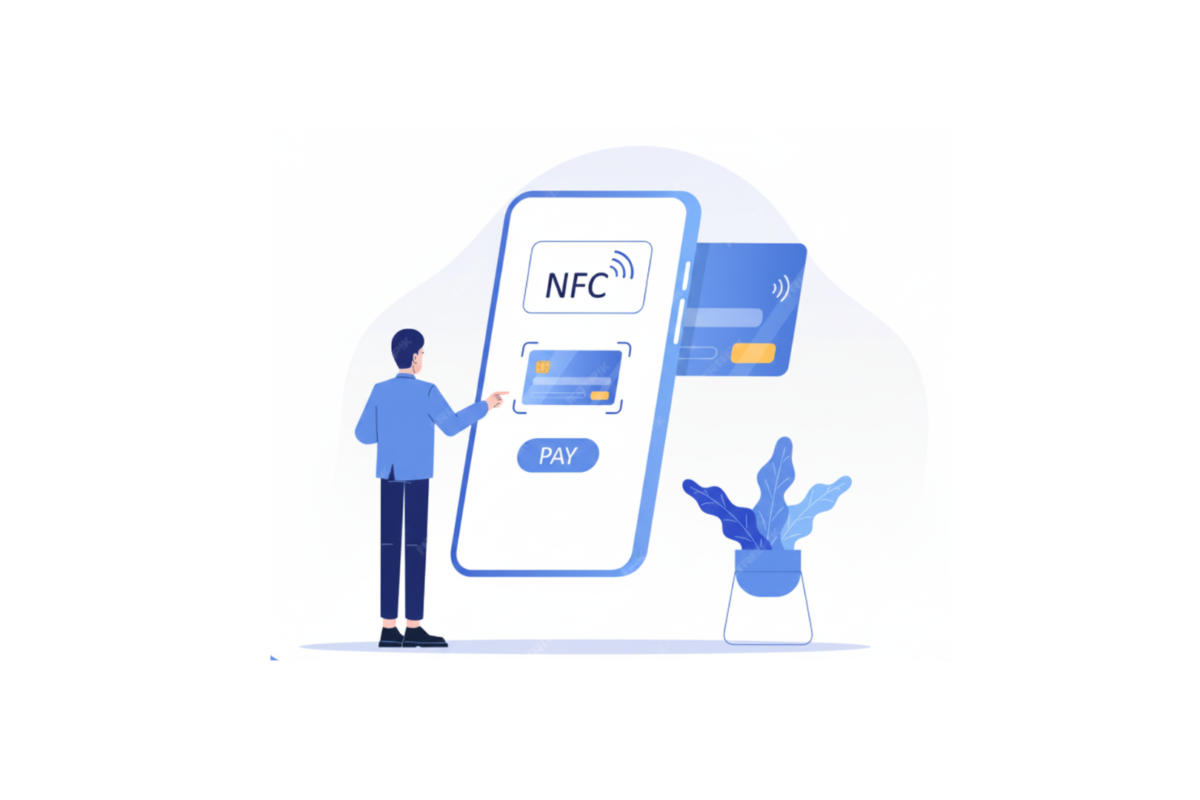
NFC Authentication uses Near Field Communication (NFC) tags embedded in or attached to products to verify authenticity when tapped with a smartphone.
Each NFC tag contains a secure, encrypted identifier that cannot be duplicated easily, making it a powerful anti-counterfeiting and product verification technology.
Unlike QR codes (which require scanning), NFC works with a simple tap, creating a more seamless and premium verification experience.
Why NFC Is Used for Authentication
NFC offers advantages that visual codes alone cannot:
- Hardware-level security
- Cryptographic challenge–response features
- Tamper-evident tag designs
- Hidden embedding inside packaging or product structure
- No reliance on printed surfaces or camera quality
This makes NFC suitable for high-value or high-risk products.
How NFC Authentication Works
- Product is embedded with an NFC tag containing a secure encrypted ID.
- Consumer or inspector taps the product using an NFC-enabled smartphone.
- Tag responds with a cryptographically signed message.
- Backend system validates:
- tag authenticity
- product identity
- Digital Twin data
- prior scan history
- User receives an authenticity verdict and additional product details.
This ensures strong protection against cloning or tampering.
Types of NFC Tags Used in Authentication
1. Read-Only NFC Tags
Fixed IDs used for simple authenticity checks.
2. Crypto NFC Tags
Secure elements capable of dynamic signing; nearly impossible to clone.
3. Tamper-Evident NFC Tags
The tag breaks or becomes unreadable if the packaging is opened.
4. Embedded NFC Microchips
Hidden inside luxury goods, electronics, or premium packaging.

Example: NFC in a Premium Electronics Product
A high-end headphone brand embeds NFC chips in packaging:
- User taps the box
- Backend validates cryptographic signature
- Consumer sees:
“Authentic. Warranty starts today.” - Product’s Digital Twin is activated
- Warranty and usage tips appear on the landing page
This creates a frictionless authentication journey.
Industries Using NFC Authentication
- Luxury goods
- Electronics
- Automotive parts
- Pharmaceuticals
- Nutrition & supplements
- Cosmetics
- Wines & spirits
Whenever a product requires premium, tamper-proof authentication, NFC is preferred.
Benefits of NFC Authentication
- Highly resistant to cloning
- Seamless consumer experience
- Supports encrypted and dynamic security
- Integrates with loyalty, warranty, and traceability flows
- Suitable for hidden or internal embedding
- Ideal for mobile-first verification
How Acviss Uses NFC in Product Authentication
Acviss enables brands to deploy NFC authentication through:
- Crypto-secure NFC tags
- Tamper-evident tag options
- Integrated Digital Twin activation
- Authentication logs and scan history
- Mobile SDKs for app-based tapping flows
- Multi-layer authentication combining NFC + secure QR
This adds a strong physical + digital security layer.
Related Articles

Enhancing Brand Protection: The Role of QR-based Authentication

How Does Product Authentication Improve Customer Retention and Experience?