
Impersonation Scams
What Are Impersonation Scams?
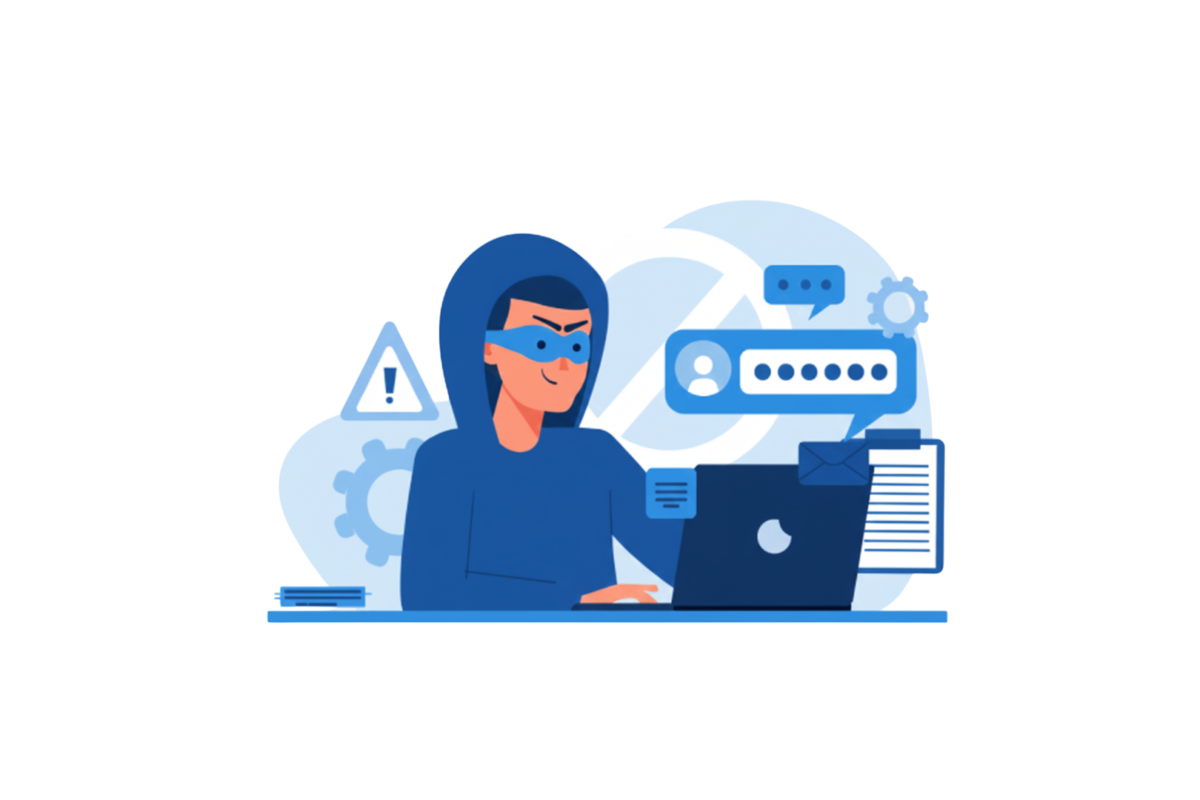
Impersonation Scams occur when fraudsters pretend to be a legitimate brand, seller, distributor, or customer support representative in order to deceive consumers.
These scams typically use fake profiles, cloned websites, fraudulent WhatsApp numbers, misleading ads, or unauthorized marketplaces to trick users into:
- buying counterfeit products
- sharing personal information
- making direct payments
- trusting fake customer service channels
Impersonation scams are one of the fastest-growing threats in digital commerce because they target both consumers and brands simultaneously.

How Impersonation Scams Work
Scammers create fake entities that look identical to the official brand by copying:
- brand logos
- product images
- packaging
- website layouts
- support scripts
- tone of communication
Then they operate through:
1. Fake Customer Support Numbers
Scam helplines that collect payments or personal data.
2. Fake Social Media Pages
Profiles on Instagram, Facebook, or WhatsApp claiming to be official representatives.
3. Fake Online Stores
Lookalike websites offering deep discounts to lure consumers.
4. Fake Warranty & Repair Centers
Unauthorized vendors posing as official service providers.
5. Messaging-Based Scams
WhatsApp, Telegram, or SMS outreach pretending to represent the brand.
The psychological effect of “official-looking” branding makes victims vulnerable.
Why Impersonation Scams Are Dangerous
- Leads to customer financial loss
- Distributes fake or unsafe products
- Damages brand trust and reputation
- Causes a surge in customer complaints
- Confuses consumers about real support channels
- Creates negative word-of-mouth
- Exposes brands to legal and compliance risk
Even a small number of impersonation scams can have a large reputational impact.
How Impersonation Scams Are Detected
- Detection involves monitoring for:
- Fake social media accounts using brand assets
- WhatsApp numbers marketed as official support
- Paid ads using stolen brand identity
- Domains that look similar to official sites
- Customer complaints about fraudulent interactions
- Listings offering unrealistic discounts
- Attempts to mimic brand tone, style, and product imagery
Automated monitoring systems significantly improve early detection.
How Acviss Truviss Prevents Impersonation Scams
Truviss uses an AI-driven approach to identify and stop impersonation attempts:
- Image and text similarity detection
- Monitoring of fake customer support numbers
- Social media profile scanning
- Fake ads and domain identification
- Risk scoring of suspicious accounts
- Central dashboard for case management
- Takedown workflows for platforms and hosting providers
Brands can proactively remove impersonators before they reach customers.
Related Articles
How to Take Down a Scam Website in 5 Steps
A Step-by-Step Guide to Removing Fake and Scam Ads