
Fake Website Detection
What Is Fake Website Detection?
Fake Website Detection refers to the process of identifying and flagging fraudulent websites that impersonate a legitimate brand.
These websites imitate branding, product pages, logos, packaging visuals, and customer service details to deceive consumers into buying counterfeit products, sharing personal data, or making payments to scammers.
Fake websites are one of the most dangerous forms of digital brand abuse because they appear professional, spread quickly, and are often indistinguishable from a genuine brand site without proper verification tools.
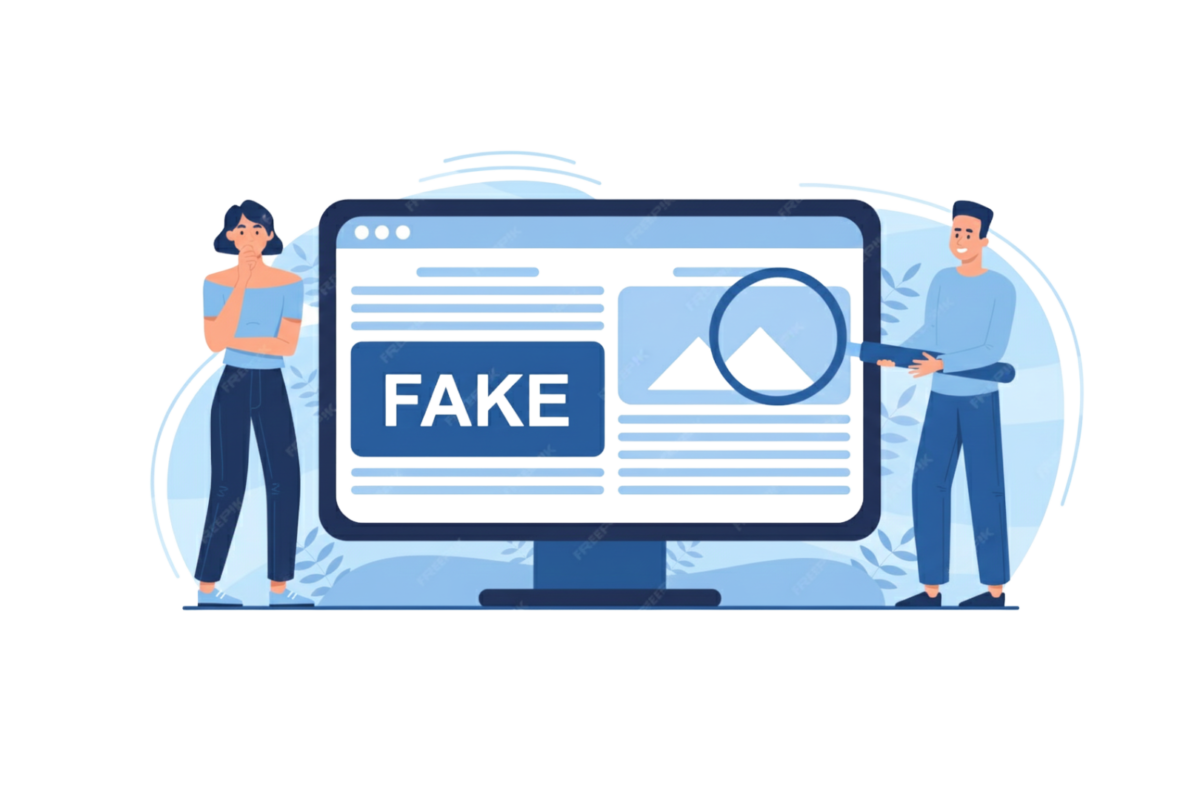
Why Fake Websites Are a Major Threat
Fake websites enable attackers to:
- Sell counterfeit or unsafe products
- Steal customer payments
- Collect personal information (phishing)
- Damage brand reputation through fraud
- Mislead customers with fake promotions
- Divert organic search traffic away from the brand
- Impersonate customer service or warranty channels
These threats scale rapidly through search ads, social media promotions, and cloned landing pages.
Common Characteristics of Fake Websites
- Domain names similar to the brand (typo-squatting or lookalike domains)
- Use of stolen product images and logos
- Fake discounts and unrealistic deals
- Poor-quality website layouts
- No verified SSL certificates or security markers
- Fake customer service numbers or WhatsApp links
- Checkout pages connected to unknown payment gateways
- Hidden or unclear refund and warranty policies
Sophisticated scammers now replicate entire brand websites, making detection harder without automated systems.
How Fake Website Detection Works
Detection tools and workflows look for:
1. Domain Intelligence
Monitoring new domain registrations that resemble the brand name.
2. Visual Similarity Analysis
AI compares website layouts, banners, packaging, and product photos to detect plagiarism.
3. Trademark and Content Matching
Scanning text, product descriptions, SKU names, and branding material.
4. Behavior Analytics
Flagging websites with suspicious traffic patterns, misleading ads, or redirection flows.
5. Risk Scoring
Evaluating sites based on hosting providers, SSL status, age of domain, and known malware associations.
6. Automated Alerts
Notifying brand teams when new suspicious domains appear.
Impact of Fake Websites on Brands
- High-volume financial fraud attributed to the brand
- Loss of customer trust due to scam complaints
- Brand confusion in search results
- Safety risks from counterfeit product distribution
- Channel conflict with authorized e-commerce partners
- Significant damage to brand reputation and ratings
Brands must act fast to avoid widespread consumer harm.
How Acviss Truviss Detects Fake Websites
Truviss provides an automated detection engine powered by:
- AI-based domain similarity scanning
- Visual similarity detection for banners and product assets
- Metadata and hosting analysis
- Continuous monitoring of new domain registrations
- Risk scoring and classification
- Evidence capture for escalation
- Takedown workflows for hosting companies and registrars
This enables brands to take swift action before consumers are affected

Related Articles

How to Take Down a Scam Website in 5 Steps
A Step-by-Step Guide to Removing Fake and Scam Ads