- Why a Removed Listing Is Not a Closed Case
- What a Court-Usable Evidence Package Contains
- Why Electronic Evidence Needs More Than a Screenshot in India
- Why Legal and Enforcement Teams Drift Apart
- What a Documented Audit Trail Means in Practice
- When Escalation Beyond a Takedown Makes Sense
- Where Truviss Fits
- Where Teams Still Get This Wrong
- From Removal to Record
 Arun KrishnanOct 21, 20267 min read

Most brand teams measure online enforcement in takedowns. A listing comes down, a ticket closes and the number goes into a monthly report.
Legal teams measure it differently. For them, a removed listing is a result, not a record. The real question is whether the brand can still prove, months later, what was live, who ran it and why it was infringing.
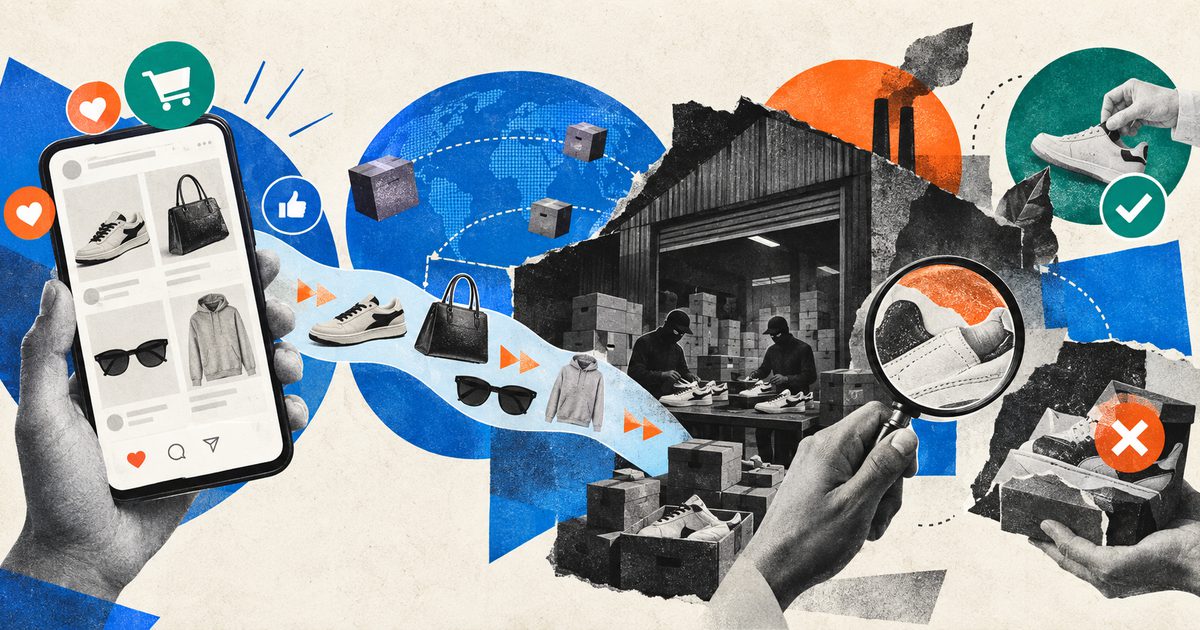
- A marketplace takedown is an outcome on someone else’s platform. The marketplace decides, acts and moves on. Nothing in that outcome tells you who the seller really was, whether the same seller has other accounts, or whether the fake ran for a day or a year.
- A takedown removes content. An evidence package proves what the content was, so the case survives the removal.
- Platforms need a clear notice. Courts, regulators and repeat-offender cases need a documented, verifiable record.
- Build the package at the moment of detection, not after the listing has gone.
Why a Removed Listing Is Not a Closed Case
The listing also disappears. Once it does, the page, the price, the seller details and the product images are no longer yours to inspect. If you did not capture them, you cannot reconstruct them.
This is why a high takedown count can sit next to a weak legal position. A team can remove hundreds of listings and still be unable to show a pattern when it matters. The platform-side process is covered in the safe harbour takedown checklist. This article is about what you keep afterwards.
What a Court-Usable Evidence Package Contains
An evidence package is a bundle of records that lets a third party check your claim without trusting your word. It has five parts.
1. The identity of the item
The exact URL, the listing or product ID, the title, the price and the images, captured as the page showed them. A screenshot alone is thin. A screenshot with the URL, the time and the page source is stronger.
2. The identity of the seller
Seller name, seller ID, storefront link, stated business name and any contact or location detail on the page. This is what links one listing to the next.
3. The basis for the claim
Why this listing infringes. That means your registered mark or design, your genuine product for comparison, and the specific points of difference. Legal teams call this the link between the mark and the use.
4. The time and the chain of custody
When each item was captured, by whom, and what happened to the file afterwards. A record that cannot show it was not altered is easy to challenge. A clear chain of custody answers that challenge before it is raised.
5. The action history
What was filed, with which platform, on what date and with what result. This is the audit trail that turns a series of tickets into a case.
None of these is exotic. The difficulty is capturing all five while the listing is still live, and keeping them together afterwards.
Why Electronic Evidence Needs More Than a Screenshot in India
For a legal team, the weight of a digital record depends on how it is certified. India’s rules on electronic evidence moved to the Bharatiya Sakshya Adhiniyam, 2023, where Section 63 replaced Section 65B of the old Evidence Act from 1 July 2024.
The practical change is the certificate. As one advocate’s account in LiveLaw puts it, the old “may” became a “shall”, and the Schedule now splits the certificate into two parts: one from the person in charge of the device and one from an expert, with the hash value of the record recorded.
In May 2026, a three-judge bench of the Supreme Court upheld the Section 63(4) certificate requirement in Pune Bar Association v. Union of India. The Court described a hash value as an “electronic fingerprint” that lets a court test whether a file has been altered. It left open who exactly may sign the expert part.
This is not legal advice, and counsel should confirm what applies to a given proceeding. The direction is still clear. A captured page that carries a verifiable fingerprint, a timestamp and a record of who handled it is far easier to put in front of a court than a folder of loose images.
Why Legal and Enforcement Teams Drift Apart
In many organisations, takedowns are run by a brand or e-commerce team, and litigation sits with legal. They use different tools and different words.
The brand team optimises for speed and volume. It files a notice and moves on. Legal wants a smaller number of cases with a clean record. When legal asks for the evidence on a seller, the brand team often finds a closed ticket and no capture.
The gap is not about effort. It is about when the evidence is made. If the package is built at detection, both teams use the same record. If it is built later, it is a reconstruction.
A shared case record helps in a second way. It shows legal which sellers keep returning, which is the pattern that justifies escalation. The same sellers are often behind copied product photos that look genuine on the surface.
What a Documented Audit Trail Means in Practice
A documented audit trail is easy to promise and rarely defined. In practice, it should let someone who was not in the room answer four questions.
| Question | What the record should show |
|---|---|
| What was live? | URL, listing ID, price, images and page content, with the capture time |
| Who ran it? | Seller ID, storefront and any linked listings |
| Why was it infringing? | The mark or design relied on and the points of difference |
| What did we do about it? | Each notice, the platform, the date and the outcome |
If any row is empty, the trail has a gap. Each gap is a question an opponent, or a platform that rejects a notice, can ask.
Platforms also differ in what they need. Amazon, for example, describes its Report a Violation tool as a single place for suspected IP infringement, store policy violations and compliance concerns, and says enrolment needs a pending or registered trademark. A notice that cites the mark and identifies the listing precisely is more likely to be actioned than one that does not.
When Escalation Beyond a Takedown Makes Sense
A takedown is the right tool for a single clear violation, such as fake Amazon listing removal. It is not always enough.
Three signals suggest it is time to look beyond it. The same seller or network reappears after removal. The volume is large enough to affect sales or reputation. Or the infringement touches safety, where a consumer could be harmed. In each case, a documented record is what lets the next step happen, whether that is a legal notice, a complaint to a marketplace’s investigations team or a court filing.
The IndiaMART and Puma ruling ties a platform’s safe harbour to whether it stops the same seller re-listing the same product after a takedown. That puts a premium on a seller-by-seller record, because a brand can only point to a pattern if it kept the evidence of each earlier listing.
Where Truviss Fits
This is a documentation problem as much as a detection problem. Truviss is Acviss’s online brand protection solution.
Acviss describes the workflow in steps. A team onboards trademarks, product images, brand assets and authorised sellers. It monitors selected online channels for matches and suspicious similarities, and rules or models help prioritise potential infringements.
A person then reviews each flagged item and its supporting evidence, and the team authorises, routes or files the appropriate platform or registrar action. The case and its outcome stay available for reporting and follow-up.
That last step is the point of this article. A similarity score is a lead, not proof, and enforcement still needs a legal basis and accountable human judgement. What the system can do is keep the record in one place, so the review is based on something the team can show later.
Where Teams Still Get This Wrong
The first mistake is capturing evidence only when escalation is already decided. By then, the listing may be gone. Capture at detection, and decide on escalation later.
The second is storing evidence in personal folders, chat threads and email. A record that lives in six places cannot show a clean chain of custody. One shared case record is easier to defend and easier to hand over.
The third is reporting only takedown counts. A count says how much work was done. It does not say how many sellers were identified, how many were repeat offenders or how many cases are ready for legal action. Add those measures next to the count.
From Removal to Record
Online enforcement began with removal. The next stage is accountability, where a brand can show what it found and what it did.
As courts and platforms ask for more verifiable records, the teams that built them at detection will have the easier time. The ones that kept only a count will be starting from a closed ticket.
Build the record while the listing is live
Talk to Acviss about documenting online infringement so every takedown leaves a case you can defend.
Related reading
Online Brand Protection: The Complete Guide for D2C and Marketplace Brands
Read related Acviss guidance.
It’s Not the Fake Giveaway That Steals From You. It’s the Checkout.
Read related Acviss guidance.
Facts & Figures About Marketplace Fraud and How to Prevent It
Read related Acviss guidance.