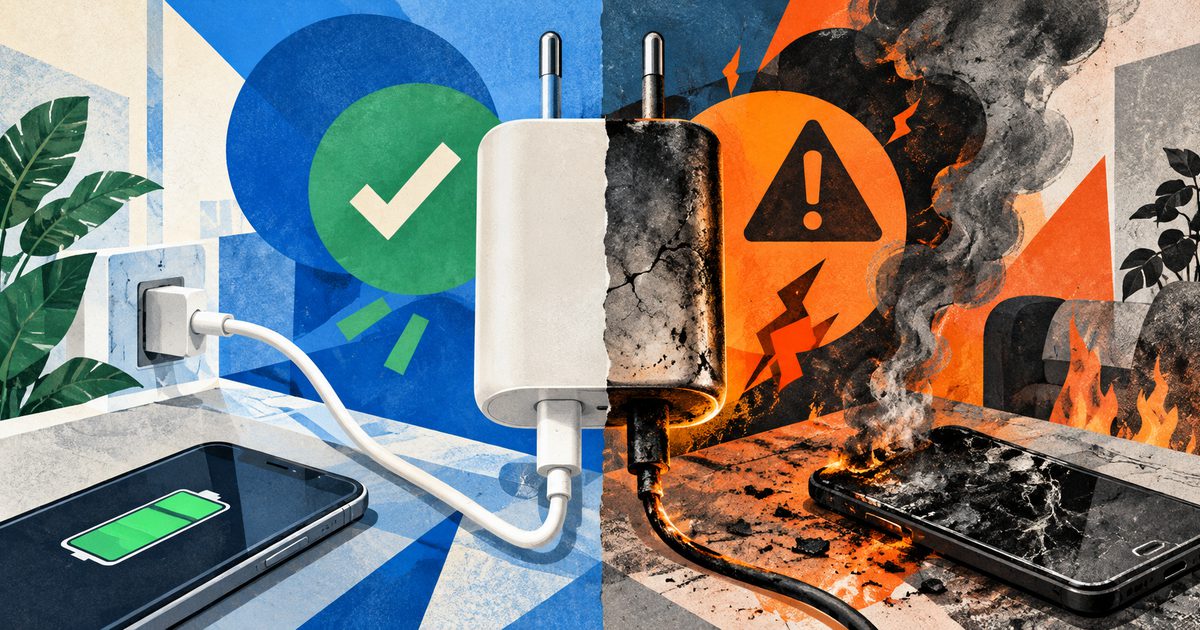

- Why This Category Sits in a Lighter Regulatory Zone
- What the Drug Side Has Already Required
- Why the Gap Is Where Counterfeiters Look
- What Compliant Enough Means Today
- Five Steps a Brand Can Take Now
- What Changes If Regulation Tightens
- Where Certify Fits
- Where Teams Still Get This Wrong
- From Light Rules to Verifiable Packs
 Arun KrishnanOct 21, 20267 min read

Pharma compliance conversations in India tend to centre on prescription medicines. Serialisation, QR codes and audit-ready records all grew out of that category.
Nutraceuticals and over-the-counter health products sit next to it. They are bought by the same consumers, often from the same shelves and the same online stores, but they sit under lighter and different rules. That difference is where counterfeiters look.
- Three separate things are often grouped together, so it helps to split them.
- Drugs, supplements and OTC products are governed by different regimes, so the traceability expected of one does not automatically apply to the others.
- Where a product category has no authentication or tracing requirement, a counterfeit meets no structural obstacle at the point of sale.
- Brands in this segment do not need to wait for a mandate. A voluntary identity and traceability layer closes the gap earlier.
Why This Category Sits in a Lighter Regulatory Zone
Prescription and regulated drugs fall under the Drugs and Cosmetics Act and its Rules, administered by the drug regulator. Nutraceuticals and health supplements are treated as food. They are governed by the Food Safety and Standards (Health Supplements, Nutraceuticals, Food for Special Dietary Use, Food for Special Medical Purpose, Functional Food and Novel Food) Regulations, 2016, enforced by FSSAI.
The third group, OTC medicines, is the least defined. As a law-firm analysis in Cyril Amarchand Mangaldas’s blog noted, OTC drugs are not defined as a distinct category in the Drugs and Cosmetics Act, 1940 or its 1945 Rules. A committee process to define one began in 2017, and in the sources we checked it had not produced a final rule.
The regulatory traceability expected of each differs, so the result is a segment where the same consumer buys three product types and meets three different sets of expectations.
What the Drug Side Has Already Required
On the drug side, the direction is firm. India’s drug regulator, CDSCO, says in its guidance on spurious drugs that the Drugs Rules were amended so that active pharmaceutical ingredients carry a QR code at each level of packaging, and that the top 300 brands of drug formulation products listed in Schedule H2 carry a barcode or QR code. A person is meant to be able to scan it with a phone and check whether the drug is genuine. That list has since grown: the 2026 amendment extends the requirement to all vaccines, antimicrobials, anticancer drugs and NDPS substances.
The wider context is covered in our note on CDSCO traceability requirements. For this article, the key point is narrower. These rules are written for drug formulations. They are not written for supplements or most OTC products, and in the sources we reviewed, the nutraceutical regulations deal with licensing, labelling and composition rather than a scan-to-verify code.
That is a reading of the rules, not a legal opinion, and any brand should check the latest notifications for its own products.
Why the Gap Is Where Counterfeiters Look
Counterfeiters follow the path of least resistance. A category where a fake does not meet a code to scan, a registry to check or a record to audit is easier to enter.
The conditions that attract them are not hard to list. Products are bought repeatedly, often online. Packaging is small and easy to copy. The buyer rarely has a way to check, and a fake that looks right may be used for weeks before anyone notices.
That is also why the stakes are not only commercial. These are products people ingest or apply, and a counterfeit with the wrong content carries a health risk that a counterfeit of a shoe does not. This is the same pattern seen in counterfeit medicines, where the harm reaches the patient.
What Compliant Enough Means Today
A brand in this segment has to meet the rules that apply to it. For nutraceuticals, that means the licensing and labelling that FSSAI sets. FSSAI’s September 2020 order, for instance, moved manufacturers of products under these regulations to central licensing regardless of turnover.
Meeting the rule is a floor, not a defence against fakes. A compliant label can be copied as easily as a non-compliant one. A licence number on a counterfeit pack proves nothing about the pack.
The practical question for a brand is therefore different from the compliance question. It is: if a customer, a distributor or a regulator holds one of our packs, how do they know it is ours?
| Layer | What it answers |
|---|---|
| Regulatory compliance | Is this product made and labelled as the rules require? |
| Product authentication | Is this specific pack genuine? |
| Supply chain traceability | Where has this batch or pack been? |
| Online monitoring | Who is selling copies, and where? |
Most brands in the segment have the first layer. Fewer have the next two, and the gap between them is what a counterfeit uses.
Five Steps a Brand Can Take Now
None of these needs a mandate. Each is a decision a brand can make this quarter.
1. Choose the level of identity
Decide whether the identity sits on each unit, each pack, each carton or each batch. Unit-level gives the most precise answer. Batch-level is cheaper and less precise.
2. Put the identity on the pack
The identity needs a physical carrier, such as a printed code on the label or carton. The carrier has to survive handling, humidity and the print process on your line.
3. Make checking easy
A check that needs an app download or a form will not be used. Buyers, pharmacists and distributors should be able to check a pack in a few seconds, through a channel they already use.
4. Record every check
A scan is data. Record it, and look at the unusual ones: the same identity checked in places that do not fit, or checks on packs that should not exist. These are leads for investigation, not conclusions.
5. Follow batches through distribution
If a batch turns up in a channel you did not supply, you want to know early. Recording hand-offs between your plant, your distributors and your retailers gives you that.
Online sales add a sixth question. Supplements and OTC products are widely sold on marketplaces and social platforms, where a fake listing can look identical to a genuine one. Watching those channels, which online brand protection covers, is a separate job from authenticating the pack, and a brand in this segment usually needs both.
What Changes If Regulation Tightens
It is reasonable to ask whether rules for this segment will move towards the drug model. Nobody can say when, and we would not guess.
What the drug side shows is how such a change tends to arrive. It began with a defined list, the top 300 brands, and a clear instruction on what the code must allow a user to do. If a similar step came for other categories, brands with a working identity and tracing set-up would adapt. Those starting from nothing would be building under a deadline.
This is our reasoning from the drug precedent, not a notified plan. It does support one practical point. Setting up identity and traceability earlier costs less than doing it in a hurry.
Where Certify Fits
Certify is Acviss’s product authentication solution. Acviss describes the workflow as creating an identity for a chosen level such as unit, pack, carton or batch, associating it with a supported physical carrier, letting a user check the item through a supported channel, and recording the event so brand systems can use it.
A valid digital identity is not automatic proof that a visual carrier has not been copied, so identity is one control among several, alongside supply-chain records and compliance checks.
It answers one of the questions in the table: is this pack genuine. It does not replace compliance, and it cannot stop every fake.
Where Teams Still Get This Wrong
The first mistake is treating a supplement as a low-risk category because the rules are lighter. Lighter rules mean fewer obstacles for a fake, not fewer fakes.
The second is relying on the label. A licence number, a batch code and a holographic sticker can all be copied. A check that a buyer can run on a pack is harder to fake than a print that only has to look right.
The third is waiting for a mandate. By the time a rule arrives, counterfeiters have had years in the gap. A brand that has already run an identity and tracing programme will meet the rule with data, not a plan.
From Light Rules to Verifiable Packs
Pharma traceability started with the products regulators worried about most. The pressure is now moving to the adjacent categories, where buyers cannot tell a real pack from a copy and the rules do not yet help them.
The brands that act first will not be the ones who were told to. They will be the ones whose customers can check a pack and get a clear answer.
Give every pack an identity before a rule asks for it
Talk to Acviss about product identity and traceability for nutraceutical and OTC health brands.
Related reading
Why Duplicate Packaging Makes Pharma Returns Fraud So Easy
Read related Acviss guidance.
QR Code vs Hologram Label vs Invisible Layer For Your Brand
Read related Acviss guidance.
Aggregation Requirements Under EU FMD and US DSCSA: What Pharma Exporters Must Serialise for Both Markets
Read related Acviss guidance.